In the rapidly evolving landscape of industrial automation, laser proximity sensors have emerged as a cornerstone technology for precision detection and measurement. These sensors operate by emitting a focused laser beam and analyzing the reflected light to determine the presence, absence, or distance of an object. For businesses looking to integrate this technology on a large scale, wholesale purchasing presents a strategic advantage, offering significant cost savings and supply chain efficiency. This guide delves into the technical specifications, application considerations, and market dynamics of procuring laser proximity sensors in bulk.
The core principle behind laser proximity sensors is time-of-flight or triangulation measurement. High-quality sensors offer exceptional accuracy, often down to the micrometer level, with long sensing ranges that can exceed several meters. Key performance parameters for wholesale evaluation include repeatability, response time, beam spot size, and environmental ratings such as IP67 for dust and water resistance. It is crucial to match these specifications with the intended application, whether it's for precise positioning on assembly lines, dimensional gauging in quality control, or object detection in logistics and material handling.
When engaging in wholesale procurement, understanding the different types of laser sensors is paramount. Common variants include diffuse reflective sensors, which detect the light reflected directly from the target, and background suppression sensors, which ignore reflections from surfaces beyond a set distance. More advanced models feature adjustable sensing fields or precise background suppression for handling complex detection scenarios. For high-volume buyers, establishing a relationship with manufacturers or authorized distributors who can provide consistent quality, technical support, and customization options is essential.
The benefits of wholesale purchasing extend beyond unit cost reduction. Bulk orders often come with value-added services such as volume-based discounts, guaranteed stock availability, and streamlined logistics. For system integrators and OEMs (Original Equipment Manufacturers), this ensures project timelines are met without component shortages. Furthermore, standardizing on a specific sensor model or family from a wholesale supplier simplifies maintenance, reduces spare part inventory, and facilitates technician training.
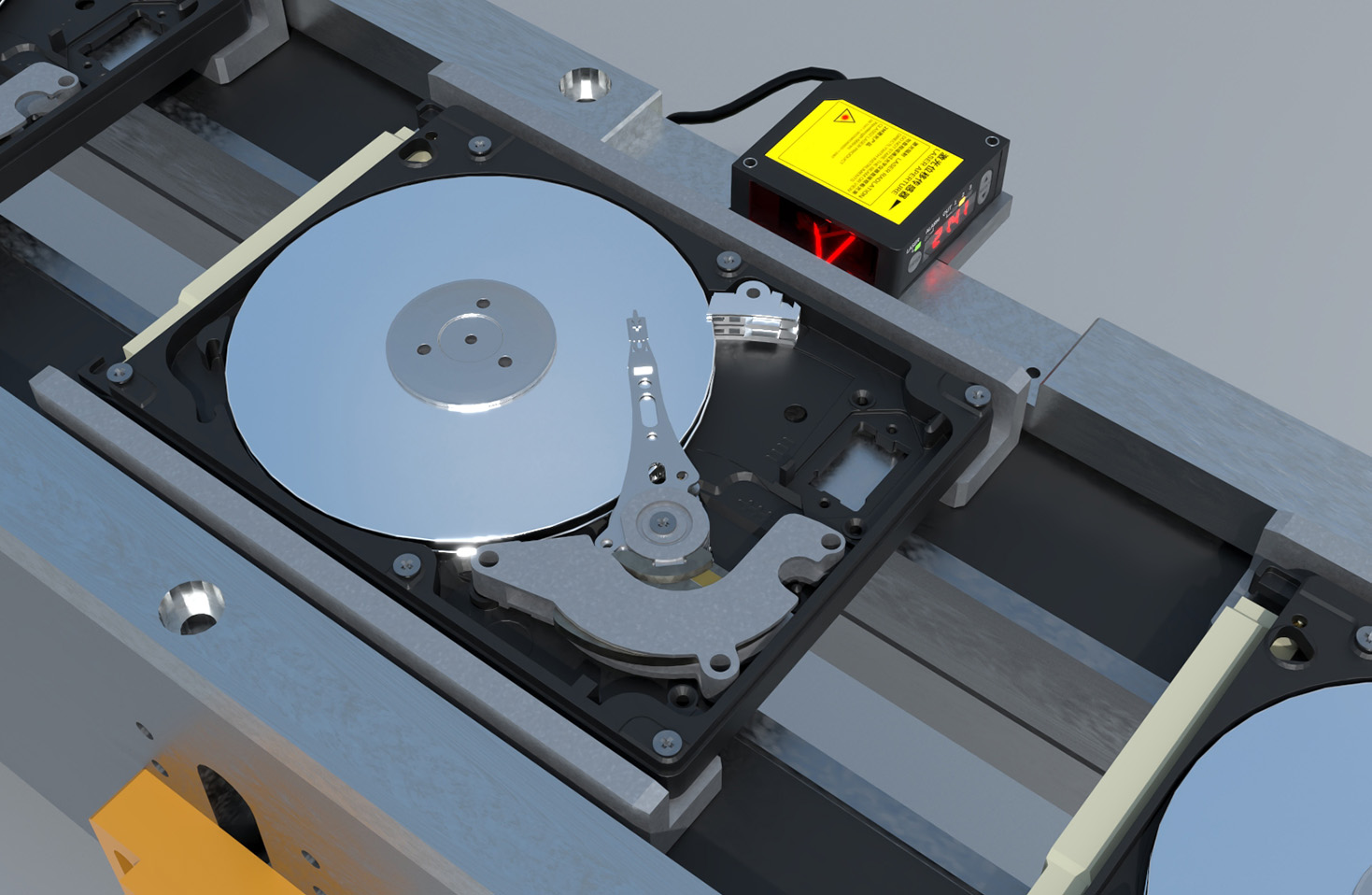
However, the wholesale market demands careful supplier vetting. Prospective buyers should assess a supplier's industry reputation, certification compliance (e.g., CE, RoHS), product warranty terms, and after-sales support capabilities. Requesting samples for rigorous field testing before committing to a large order is a standard and recommended practice. This step verifies the sensor's performance under real-world conditions, such as varying target colors, surface finishes, and ambient light interference.
The application scope for wholesale laser sensors is vast. In automotive manufacturing, they are indispensable for robot guidance and part verification. In packaging machinery, they ensure precise fill levels and label placement. The electronics industry relies on them for wafer handling and component placement. Emerging fields like autonomous mobile robots (AMRs) and smart warehousing are also driving increased demand. A savvy wholesale buyer must therefore not only consider current needs but also anticipate future technological trends, such as the integration of IO-Link for digital communication and enhanced diagnostics.

In conclusion, wholesale procurement of laser proximity sensors is a strategic decision that can significantly enhance the competitiveness of an automation solution provider or manufacturing facility. By focusing on technical excellence, supplier reliability, and total cost of ownership, businesses can build robust, efficient, and scalable automation systems. The initial investment in thorough market research and supplier qualification pays substantial dividends in operational reliability and long-term profitability.