In the intricate dance of modern machinery and smart devices, a silent and often unseen performer plays a critical role: the proximity sensor. This fundamental component acts as the digital equivalent of a sixth sense, enabling machines to detect the presence or absence of nearby objects without any physical contact. Its operation is elegantly simple in principle yet profound in its applications, forming a cornerstone of automation, safety, and user interaction across countless industries.
At its core, a proximity sensor works by emitting an electromagnetic field or a beam of radiation, such as infrared light. It then looks for changes in the field or the return signal. When an object enters this predefined sensing range, it disturbs the field or reflects the beam back to the receiver within the sensor. This disturbance triggers a switch in the sensor's output circuit, sending an electrical signal to the connected control system. This entire process happens in milliseconds, allowing for real-time detection and response. The key advantage here is the non-contact nature of detection, which eliminates mechanical wear and tear and allows sensing of fragile, soft, or extremely hot objects that could be damaged by touch.
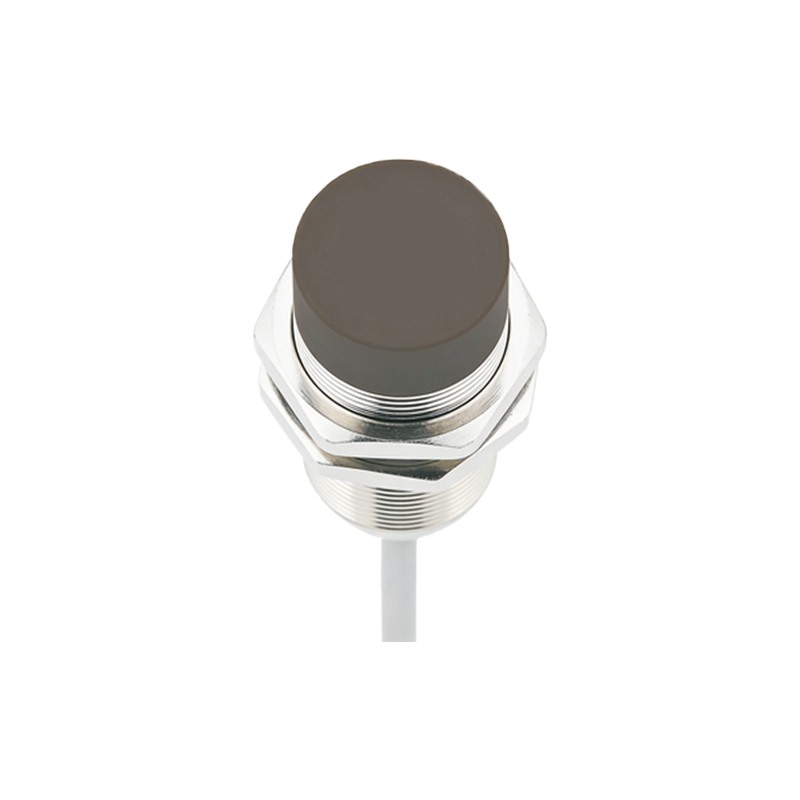
The utility of proximity sensors is vast and varied. In the realm of industrial automation, they are indispensable. On high-speed assembly lines, inductive proximity sensors, which detect metallic objects, are used for precise counting, positioning, and end-of-travel detection for robotic arms. Capacitive sensors, capable of detecting both metallic and non-metallic materials like wood, plastic, or liquids, monitor fill levels in tanks or control packaging processes. These applications boost efficiency, minimize errors, and enhance operational safety by ensuring machines operate only when components are correctly positioned.
Moving into the consumer electronics space, proximity sensors have become ubiquitous. In every smartphone, a small proximity sensor sits near the earpiece. During a phone call, it detects the closeness of your face to the screen and automatically turns off the display. This prevents accidental cheek-touches from hanging up or muting the call and significantly conserves battery power. Similarly, in laptops, a sensor can detect when a user is present, waking the device from sleep mode, and putting it back to sleep when the user walks away, optimizing energy use.
Safety systems heavily rely on these sensors as well. In the automotive industry, ultrasonic or electromagnetic proximity sensors form the backbone of parking assist systems. They provide audible or visual warnings to the driver about obstacles in close proximity, preventing collisions. More advanced systems are integral to automated braking and adaptive cruise control. In public spaces and elevators, photoelectric sensors act as safety curtains, preventing doors from closing on people and ensuring safe passage.
Beyond these common examples, proximity sensing technology enables innovative interfaces. Interactive kiosks and digital signage can use sensors to detect a user's approach, triggering content to start playing without the need for a physical button press. In smart homes, sensors can turn on lights as a person enters a room, contributing to both convenience and energy savings. The technology even finds use in agriculture for monitoring equipment and in healthcare for touchless controls in sterile environments.
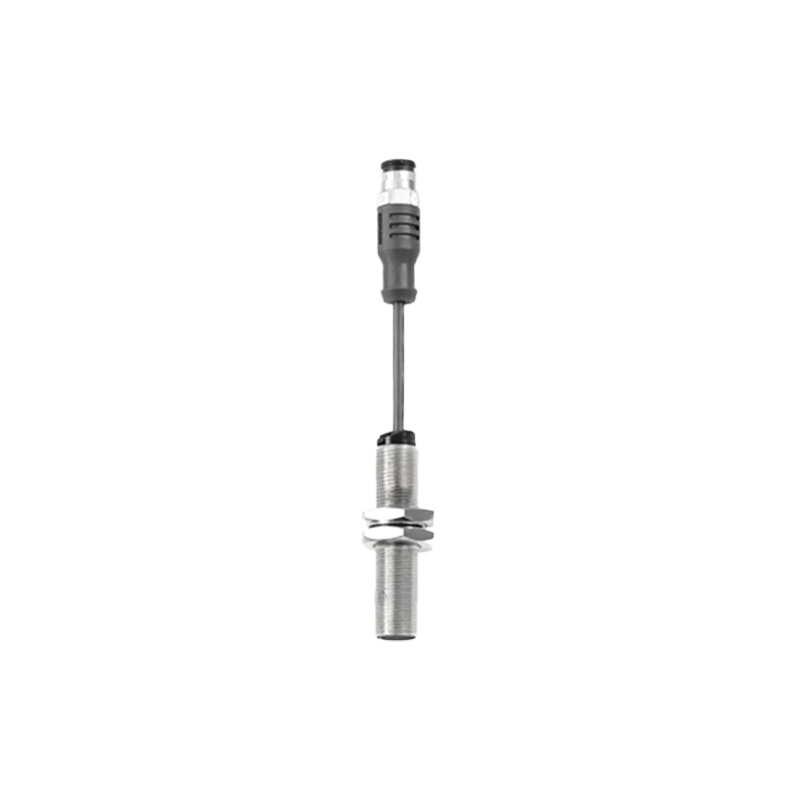
The selection of a proximity sensor depends on several factors: the material of the target object (metal, plastic, liquid), the required sensing distance, the environmental conditions (dust, moisture, temperature), and the needed response speed. Engineers must choose between inductive, capacitive, ultrasonic, and photoelectric types, each with its own strengths and ideal use cases.
In conclusion, the proximity sensor is a quintessential enabling technology of the digital age. Its ability to provide reliable, contactless detection makes it a silent workhorse in factories, a clever feature in our pockets, and a vigilant guardian for safety. As the Internet of Things continues to expand and machines become more interactive and autonomous, the role of the simple proximity sensor will only grow more sophisticated and central, continuing to bridge the gap between the physical world and digital control systems seamlessly and effectively.