In the dynamic landscape of industrial automation, proximity sensors stand as critical components for non-contact detection, ensuring precision, reliability, and efficiency across diverse applications. As a seasoned electrical engineer, I present this comprehensive guide to assist professionals in selecting the ideal proximity sensor tailored to their operational needs, with insights into global offerings and technical considerations.
The core function of a proximity sensor is to detect the presence or absence of an object within a specified range without physical contact. These sensors are predominantly categorized into inductive, capacitive, ultrasonic, and photoelectric types, each with distinct operating principles and suitability. Inductive sensors, for instance, excel in detecting metallic objects and are widely used in manufacturing lines for position sensing. Capacitive sensors can detect both metallic and non-metallic materials, making them ideal for liquid level control or plastic part detection. Ultrasonic sensors utilize sound waves for distance measurement and object detection, often applied in harsh environments where dust or moisture is present. Photoelectric sensors, relying on light beams, offer long-range detection and are versatile in packaging, material handling, and automotive industries.
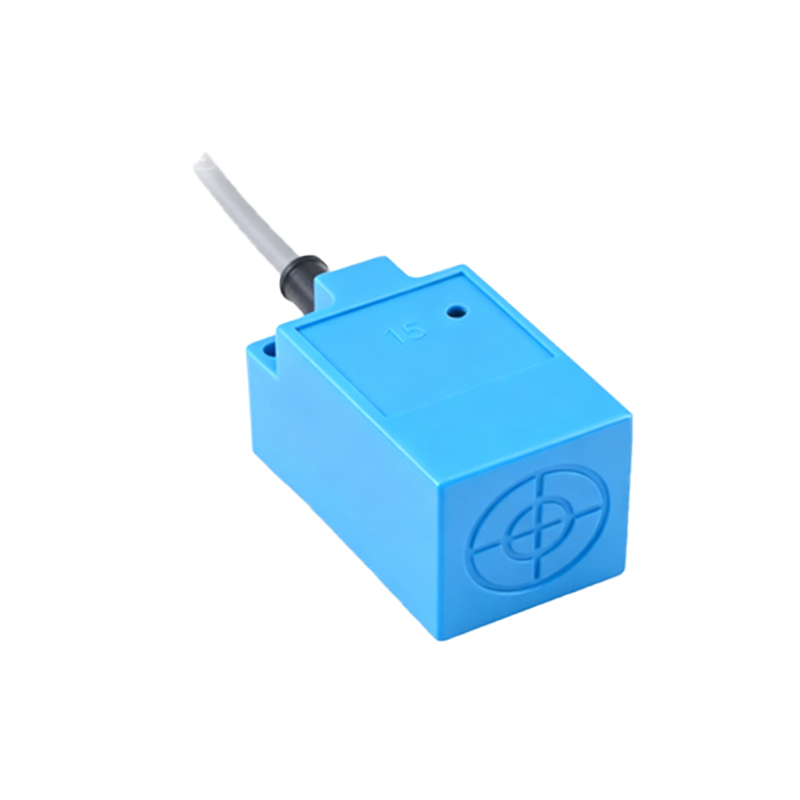
When evaluating proximity sensors from global markets, key factors include sensing range, output type, environmental durability, and compliance with international standards. European manufacturers, such as those from Germany and Switzerland, are renowned for high-precision inductive sensors with robust housings, suitable for heavy-duty machinery. Japanese brands lead in compact, energy-efficient designs, often integrating advanced features like IO-Link communication for smart factory integration. American suppliers emphasize ruggedness and adaptability, offering sensors that perform reliably in extreme temperatures or corrosive settings. Emerging markets in Asia provide cost-effective solutions without compromising basic functionality, appealing to budget-conscious projects.
Technical specifications demand careful scrutiny. The sensing distance must account for the target material and installation conditions to avoid false triggers. Output configurations—whether NPN, PNP, analog, or relay—should align with the control system's requirements. Enclosure ratings, such as IP67 or IP69K, indicate resistance to dust and water ingress, crucial for outdoor or washdown applications. Additionally, factors like response time, switching frequency, and temperature tolerance impact performance in high-speed automation or volatile environments.
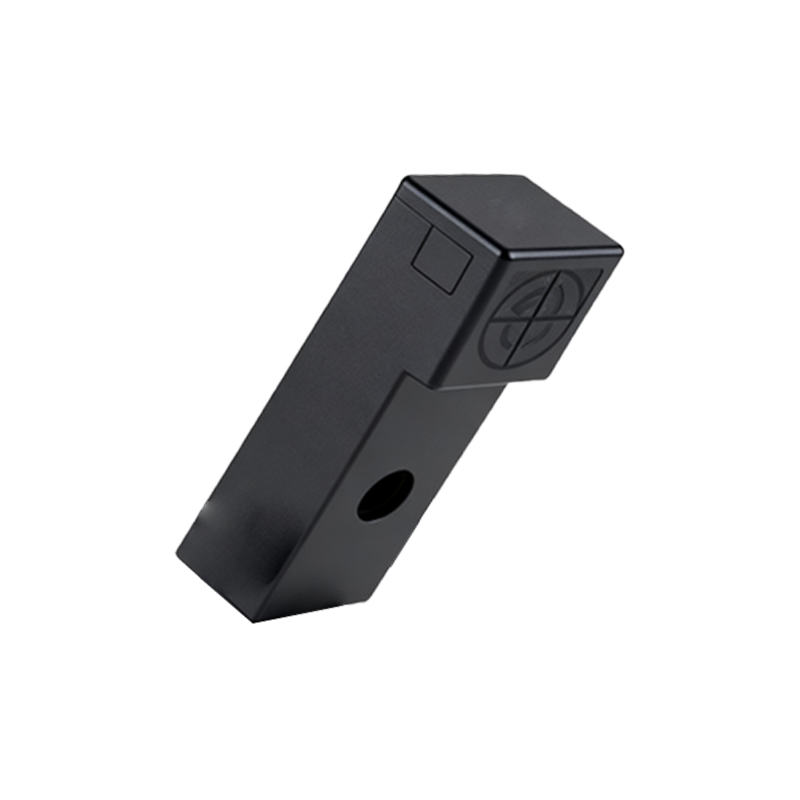
Industry trends highlight the growing integration of Industry 4.0 capabilities, with sensors featuring diagnostic functions, wireless connectivity, and data logging. This enables predictive maintenance and real-time monitoring, reducing downtime and enhancing productivity. For instance, smart sensors can alert operators to wear or misalignment before failures occur, optimizing operational workflows.
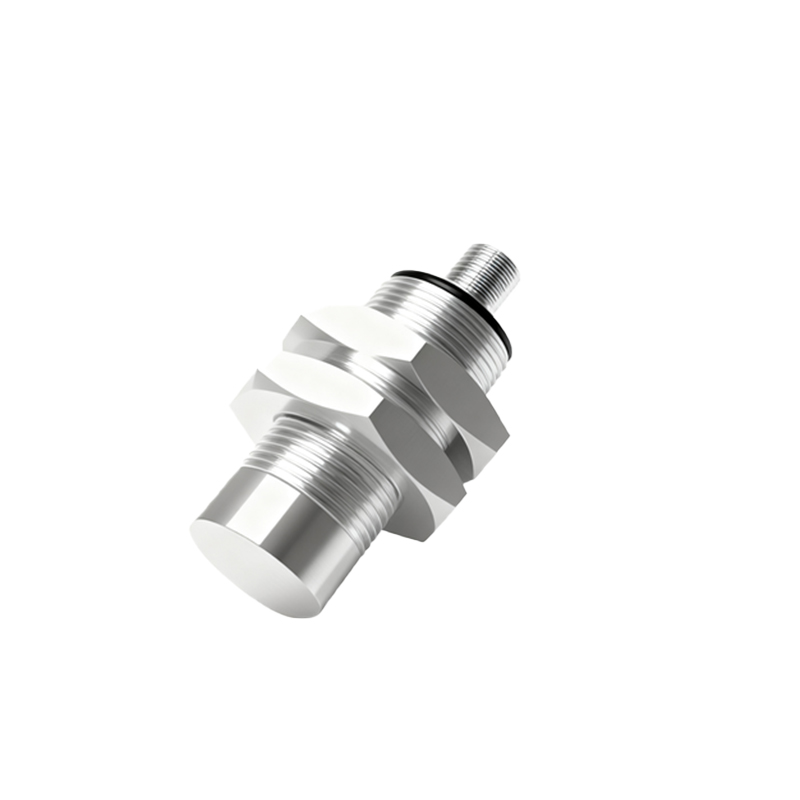
In procurement, it is advisable to source from reputable distributors or direct manufacturers that provide technical support, certification documents (e.g., CE, UL), and warranty services. Consider total cost of ownership, including installation, maintenance, and compatibility with existing systems. Pilot testing in real-world conditions can validate sensor performance before full-scale deployment.
Ultimately, the selection of a proximity sensor hinges on a balanced assessment of application requirements, environmental challenges, and budgetary constraints. By leveraging global innovations and adhering to engineering best practices, industries can achieve seamless automation and sustained growth. Whether for automotive assembly, food processing, or logistics, the right sensor choice drives operational excellence and competitive advantage.