In the realm of industrial automation and process control, long-range proximity sensors are indispensable components. Their ability to detect objects without physical contact, even at significant distances, makes them critical for safety, efficiency, and data collection. However, navigating the market for these sensors often leads to a fundamental question: what drives their price? The cost is rarely a simple figure; it is a composite reflection of technology, performance, and application-specific demands.
At the core of the pricing structure is the underlying sensing technology. Inductive sensors, reliable for detecting metals, are generally the most cost-effective for standard ranges but see price increases with extended range capabilities due to more complex coil designs and circuitry. Capacitive sensors, used for both metallic and non-metallic materials, often carry a moderate price tag. The most significant premium is typically associated with ultrasonic and laser-based (LiDAR) long-range sensors. These technologies involve sophisticated components like piezoelectric transducers, laser diodes, and high-speed processing units to accurately measure time-of-flight or light reflection over distances that can exceed 10, 50, or even 100 meters. The precision of the laser components and the computational power required directly correlate with the sensor's cost.
Performance specifications are the primary levers of price variation. The stated sensing range is the most obvious factor. A sensor rated for 2-meter detection will be substantially less expensive than one engineered for 20 meters. However, range alone is not the full story. Accuracy, resolution, and repeatability are paramount. A sensor offering sub-millimeter accuracy at 15 meters demands superior optics, stable signal processing, and compensation algorithms for environmental variables like temperature drift, all of which increase manufacturing costs. The response speed, or switching frequency, also impacts price. High-speed applications, such as monitoring fast-moving objects on a conveyor, require sensors with faster processors and optimized firmware.
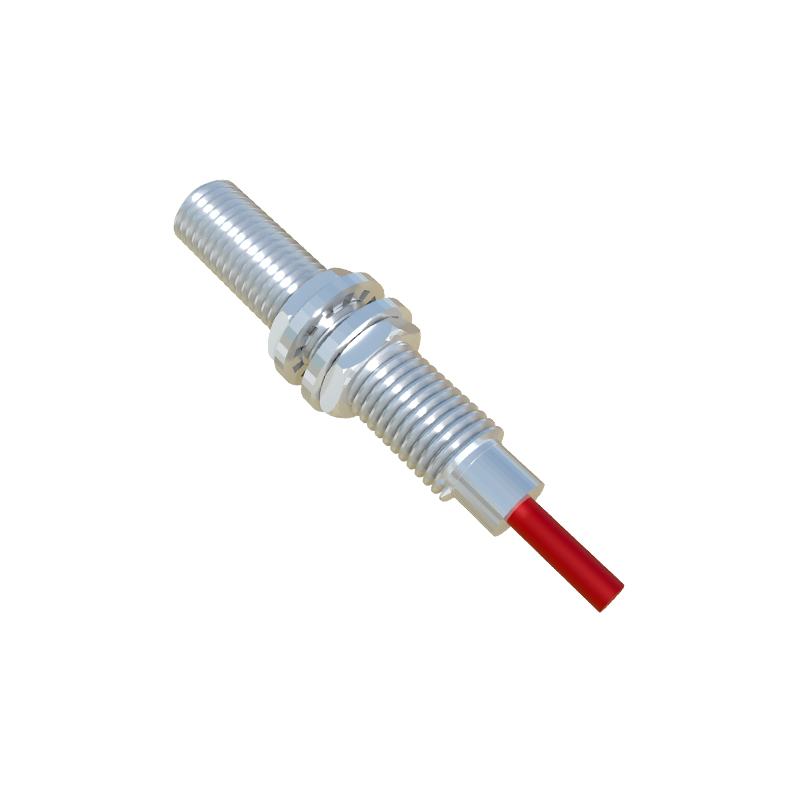
Environmental robustness is a major cost driver. Industrial settings are harsh. A sensor with a standard IP67 rating (dust-tight and protected against temporary immersion) is common. However, sensors designed for extreme conditions—featuring higher IP69K ratings for high-pressure washdown, robust housing materials like stainless steel V4A (316L), or specialized coatings for corrosive atmospheres—command higher prices. Similarly, sensors certified for use in hazardous areas (ATEX, IECEx) undergo rigorous testing and require intrinsically safe designs, adding a significant premium.
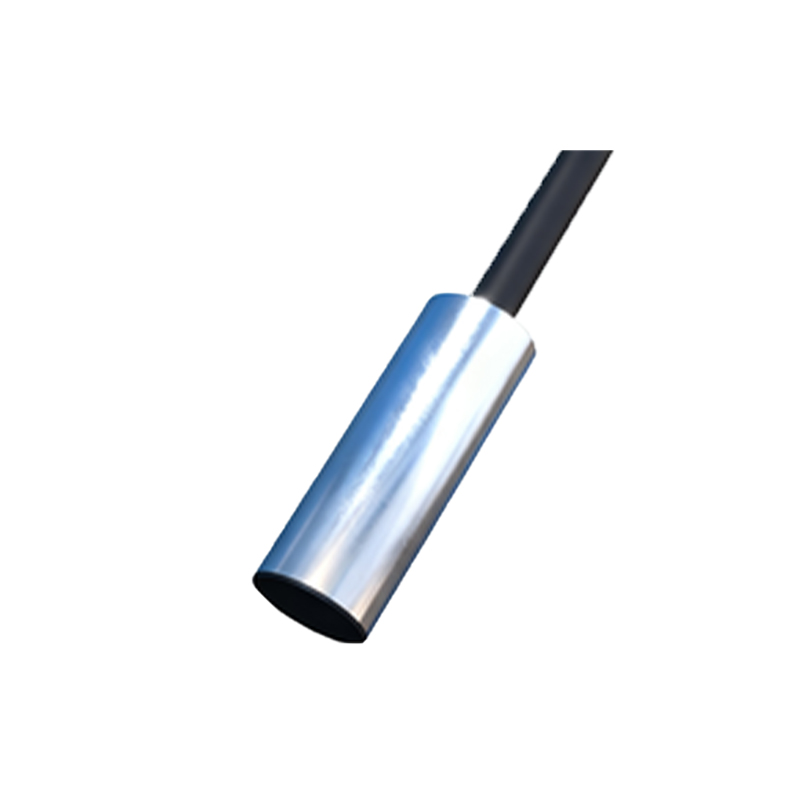
Additional features and connectivity options integrate into the price. Analog output (4-20mA, 0-10V) sensors are standard. Models with digital interfaces (IO-Link, PROFINET, EtherNet/IP) provide detailed diagnostic data, parameterization capabilities, and easier integration into Industry 4.0 frameworks, but they include more complex electronics and licensing fees for the protocol stacks. Built-in temperature compensation, adjustable sensing windows (teach-in functions), and advanced diagnostics like contamination warnings are software and hardware additions that enhance value and cost.
Finally, brand reputation, supply chain stability, and support services influence price. Established manufacturers with a history of reliability, extensive R&D investment, and global technical support often price their products higher. This premium is frequently justified by reduced downtime and longer product lifecycles, offering a lower total cost of ownership despite a higher initial purchase price.
In conclusion, the price of a long-range proximity sensor is a direct function of its technological sophistication, performance envelope, durability, and smart features. Engineers and procurement specialists must perform a thorough cost-benefit analysis, weighing the initial investment against the sensor's precision, reliability, and integration capabilities to ensure optimal performance and value for their specific application. The cheapest sensor upfront can become the most expensive choice if it leads to production errors or unscheduled downtime.