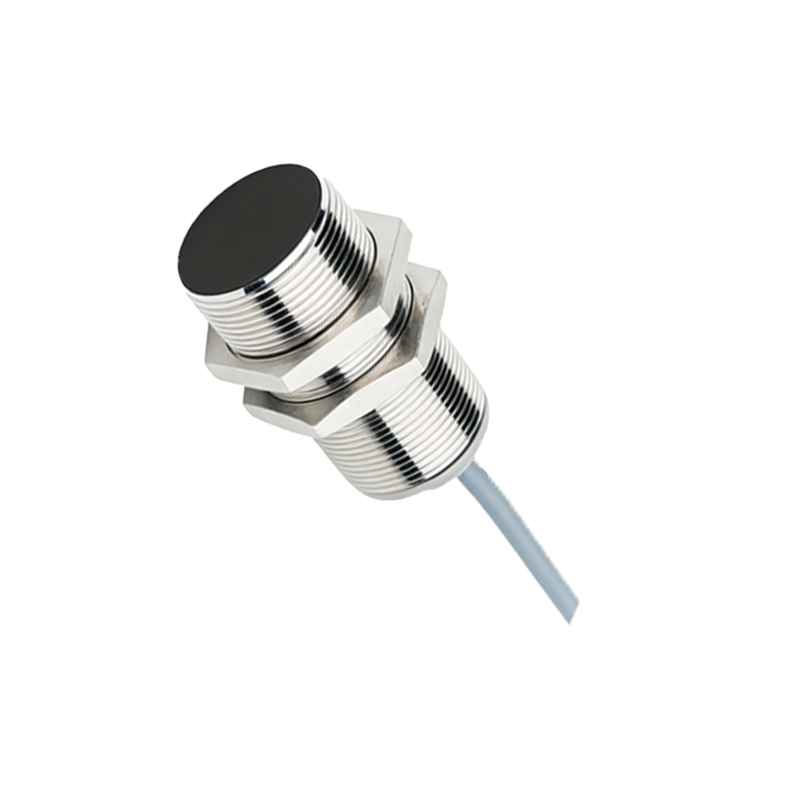
The proximity sensor market is a dynamic and critical segment of the global industrial automation and consumer electronics sectors. These devices, which detect the presence or absence of nearby objects without physical contact, have become indispensable. Leading proximity sensor enterprises are not merely component manufacturers; they are enablers of smarter, safer, and more efficient systems across diverse applications.
The technological foundation of modern proximity sensors is built upon several key principles, primarily inductive, capacitive, ultrasonic, and photoelectric sensing. Top-tier companies invest heavily in R&D to refine these technologies, pushing the boundaries of detection range, accuracy, response time, and environmental robustness. For instance, advancements in inductive sensors allow for precise detection of metallic objects even in harsh, dirty industrial environments, while capacitive sensors have evolved to reliably sense a wider variety of materials, including liquids and non-metals. The miniaturization of components, driven by MEMS (Micro-Electro-Mechanical Systems) technology, has been a game-changer, allowing sensors to be integrated into increasingly compact consumer devices like smartphones and wearables.
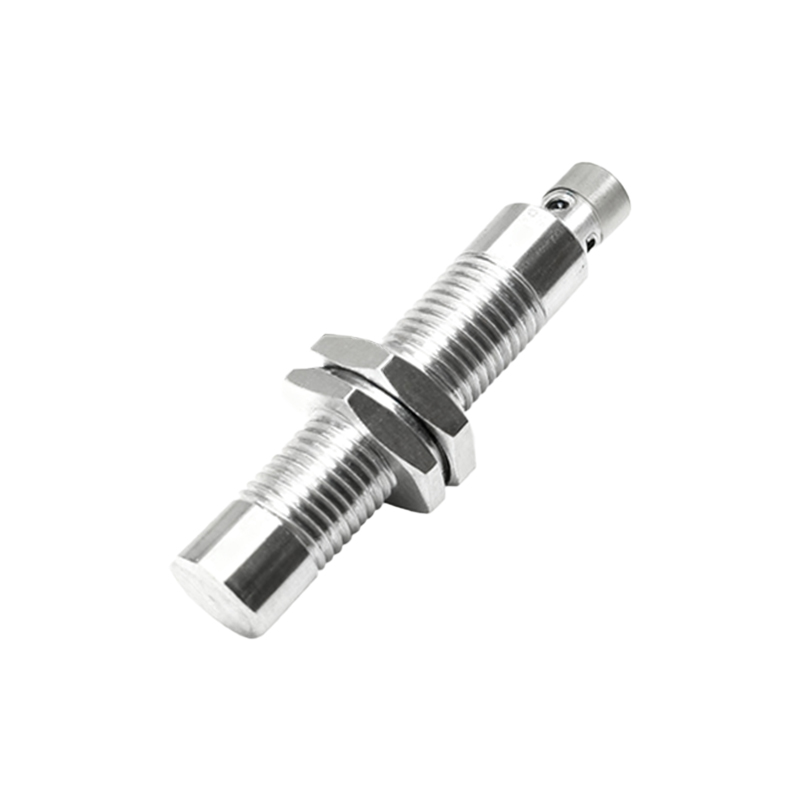
The application landscape for proximity sensors is vast and continually expanding. In industrial automation, they are the silent workhorses on assembly lines, providing object detection for robotic arms, ensuring precise positioning, and enabling machine safety systems by creating protective fields. The automotive industry is another major driver, where sensors contribute to advanced driver-assistance systems (ADAS), enabling features like automatic parking, blind-spot detection, and collision avoidance. In the consumer domain, proximity sensors manage display on/off functions in phones to save power, enable touchless interfaces in appliances, and enhance user experience in gaming consoles. Furthermore, the rise of the Internet of Things (IoT) and smart infrastructure has opened new frontiers, with sensors monitoring occupancy in buildings, managing inventory in smart retail, and facilitating interactive public installations.
The competitive landscape of the proximity sensor industry features a mix of established multinational conglomerates and specialized innovators. Major players often have broad portfolios spanning multiple sensor types and deep integration capabilities with larger control and automation systems. Their strength lies in global supply chains, extensive application engineering support, and the ability to provide standardized, reliable solutions for high-volume markets. On the other hand, agile specialized firms often lead in niche applications, developing custom solutions with extreme precision, unique form factors, or capabilities tailored for emerging fields like medical technology or advanced robotics. Success in this market hinges on a deep understanding of specific industry pain points, the ability to meet stringent reliability standards, and the agility to adapt to rapidly changing technological demands.
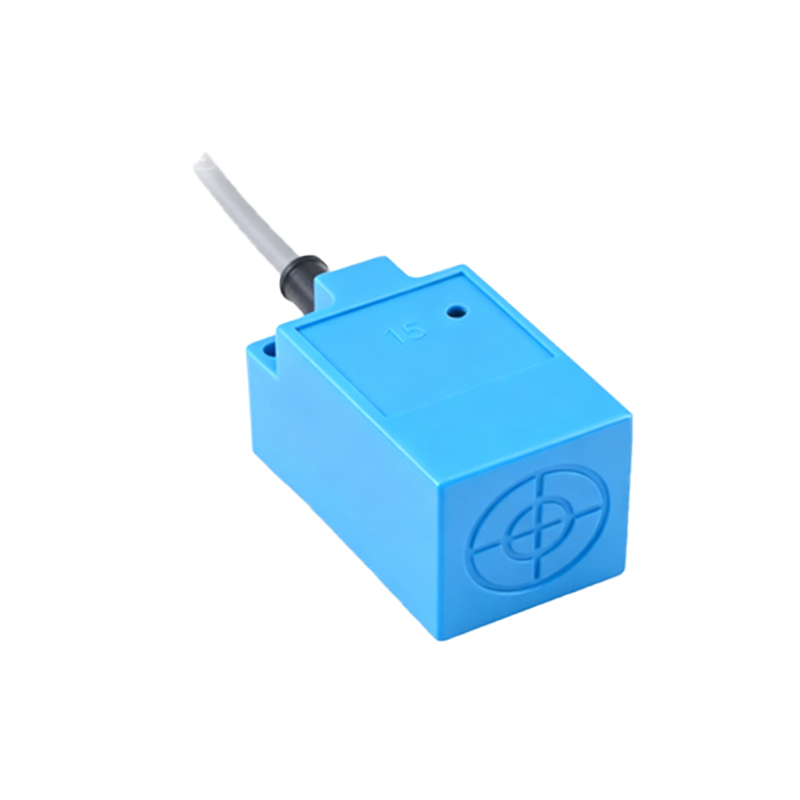
Looking forward, several key trends are shaping the future of proximity sensor enterprises. The integration of intelligence at the edge—embedding basic processing and decision-making capabilities within the sensor itself—is reducing latency and network dependency. The demand for sensors that can operate in extreme conditions, such as high temperatures, pressures, or corrosive environments, continues to grow, particularly in sectors like oil & gas and aerospace. Furthermore, the convergence of sensing modalities is creating multi-functional devices that can provide richer data streams. For example, a single module might combine proximity, ambient light, and gesture sensing. Sustainability is also becoming a consideration, driving the development of sensors with lower power consumption and longer lifespans.
In conclusion, enterprises in the proximity sensor space operate at the intersection of physics, materials science, and digital innovation. Their products, though often unseen, form a fundamental layer of perception for the modern automated world. The leaders in this field are those that consistently deliver reliability, foster continuous innovation to open new application vistas, and build robust partnerships across the value chain. As industries worldwide march towards greater autonomy and intelligence, the role of these companies and their sophisticated sensing solutions will only become more central and vital.