In the demanding and often unforgiving environment of the open sea, the margin for error is slim. Modern marine vessels, from colossal container ships to agile offshore supply vessels, are complex ecosystems of machinery and systems. The safe and efficient operation of these floating giants hinges on the continuous, reliable monitoring of their components. This is where proximity sensors, the silent and vigilant sentinels of maritime engineering, play an indispensable role.
Unlike their human counterparts, these electronic devices perform flawlessly in conditions of extreme vibration, temperature fluctuations, salt spray, and electromagnetic interference. A proximity sensor is fundamentally a non-contact device designed to detect the presence or absence of a nearby object, or to measure the distance to that object, without any physical contact. This non-contact nature is its primary advantage, eliminating mechanical wear and tear and allowing for high-speed, repetitive detection tasks that would be impossible for mechanical switches.
Onboard a vessel, proximity sensors are deployed in a multitude of critical applications. One of the most vital is in monitoring the rotational speed and position of the main propulsion shaft and auxiliary engines. Inductive or magnetic sensors are commonly used here to detect gear teeth or keyphasor marks, providing real-time RPM data to the engine control system. This information is crucial for performance optimization, fuel efficiency, and, most importantly, for triggering alarms or automatic shutdowns in case of overspeed conditions, preventing catastrophic engine failure.
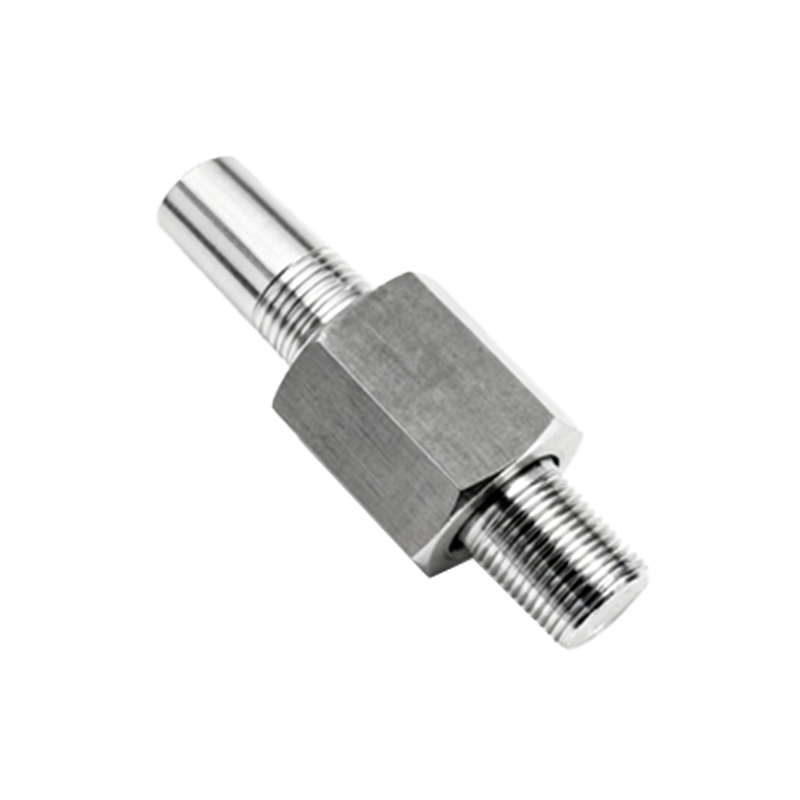
In the realm of cargo and ballast handling, proximity sensors ensure precision and safety. They are used to indicate the open or closed status of large hydraulic or pneumatic valves controlling ballast water flow. On container cranes and hatch covers, sensors verify that locking pins are fully engaged or that mechanisms are in their correct home position before operations commence, preventing accidents and cargo damage. In liquid cargo tanks, specialized sensors can help monitor levels or detect the position of submerged pumps.
The steering gear and rudder system, fundamental to the vessel's maneuverability, rely heavily on feedback from proximity sensors. These sensors confirm the actual rudder angle, providing critical feedback to the autopilot and helm control systems. Any discrepancy between the commanded angle and the sensed angle can trigger an immediate alarm, indicating a potential failure in the steering mechanism—a scenario of grave concern for navigation safety.
Furthermore, in engine rooms and auxiliary spaces, proximity sensors contribute to predictive maintenance. By monitoring vibration levels on pumps, compressors, and fans, they can detect imbalances, bearing wear, or misalignment long before a complete breakdown occurs. This allows for planned maintenance during port calls, avoiding costly unplanned downtime at sea. They are also used on doors and access hatches for security and safety, ensuring watertight integrity is maintained by confirming proper closure.
The selection of a proximity sensor for marine use is not a trivial task. Engineers must specify sensors built to exacting maritime standards. Key considerations include:
Housing Material: Typically stainless steel (e.g., 316L) to resist corrosion from saltwater.
Ingress Protection (IP) Rating: A minimum of IP67 is standard, offering protection against dust and temporary immersion, with IP68/69K required for more exposed locations.
Operating Temperature Range: Must function reliably in both the heat of an engine room and the freezing temperatures on deck in Arctic routes.
Output Type: Common outputs are NPN/PNP transistor signals or analog 4-20mA current loops, chosen for compatibility with the vessel's Programmable Logic Controller (PLC) and monitoring systems.
Certifications: Compliance with international standards like DNV-GL, ABS, or Lloyd's Register is often mandatory.
The integration of these sensors into the vessel's overall automation and alarm system is the final, critical step. A network of proximity sensors feeds data to the central control console, providing engineers and officers with a comprehensive, real-time picture of the vessel's mechanical health. This data is increasingly leveraged through IoT (Internet of Things) platforms for fleet-wide performance analysis and maintenance scheduling.
In conclusion, proximity sensors are far more than simple switches. They are fundamental components that enhance safety, ensure operational reliability, enable efficiency, and reduce lifecycle costs. By providing accurate, real-time data on the state of moving parts and critical systems, they form the sensory nervous system of a modern, intelligent vessel. Their silent, continuous operation is a cornerstone of the maritime industry's relentless pursuit of safer and more efficient global transportation. As vessel automation advances towards greater autonomy, the role of robust and intelligent sensing technology, including next-generation proximity sensors, will only become more profound.