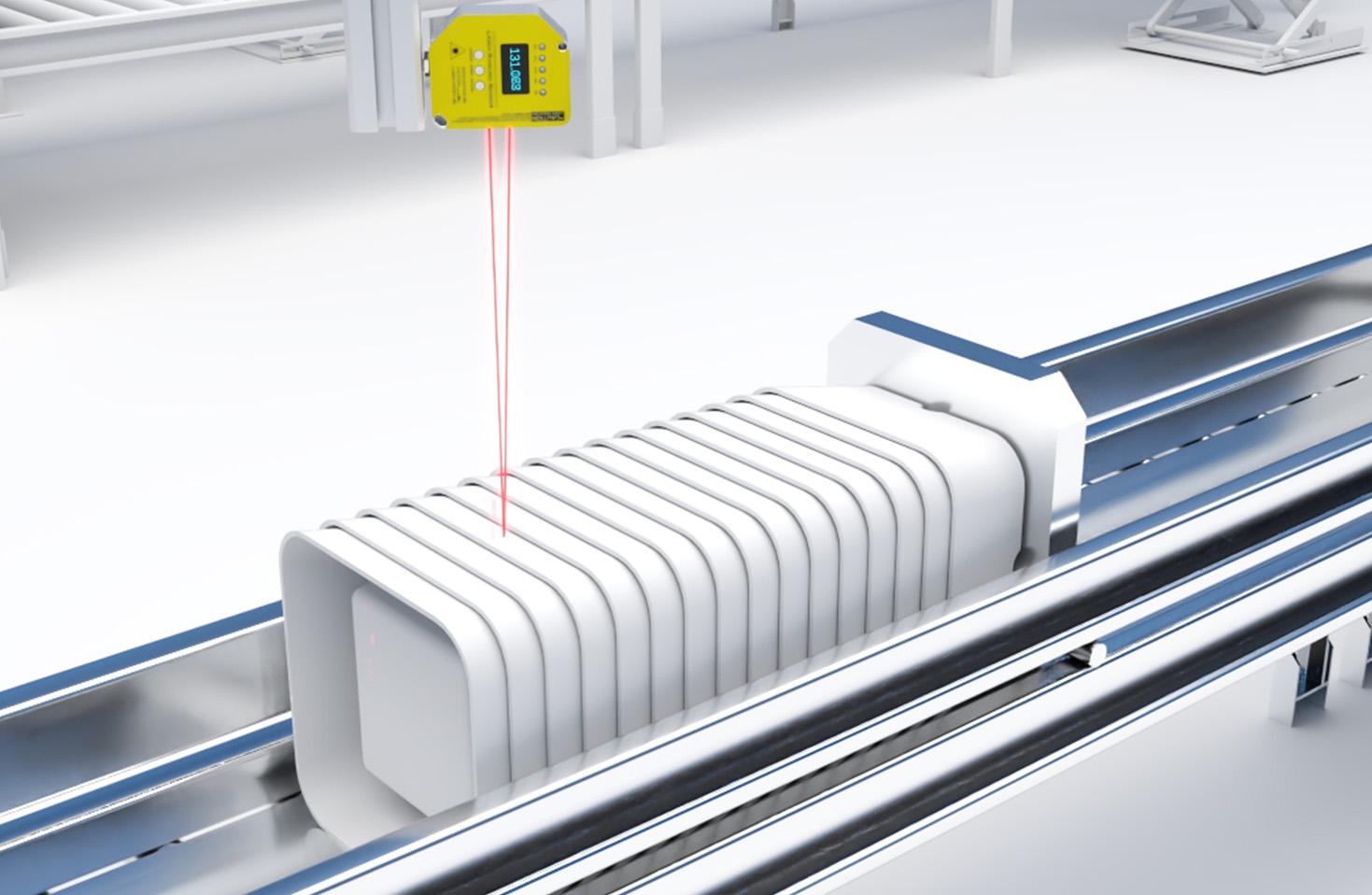
Laser sensor modules have become indispensable components in modern industrial automation, offering unparalleled precision, speed, and reliability. These devices operate on the principle of emitting a focused laser beam towards a target object and analyzing the reflected light to determine critical parameters such as distance, presence, position, or thickness. Unlike traditional photoelectric or proximity sensors, laser sensors utilize coherent light, which allows for extremely small spot sizes and long sensing ranges with minimal divergence. This makes them ideal for applications requiring high accuracy, such as precision alignment, dimensional gauging, and defect detection on high-speed production lines.
A typical laser sensor module consists of three core elements: a laser diode emitter, a photodetector or receiver, and sophisticated signal processing electronics. The laser diode generates the light beam, often in the visible red or infrared spectrum. The receiver captures the light reflected from the target. The onboard electronics then process this signal using time-of-flight, triangulation, or phase-shift measurement principles to derive the desired measurement. For instance, in a time-of-flight (ToF) sensor, the module calculates distance by precisely measuring the time delay between the emitted laser pulse and the detection of the reflected pulse. This method is highly effective for long-range applications. Conversely, triangulation-based sensors are preferred for short-range, high-accuracy tasks, where the position of the reflected spot on a linear sensor array changes with the target's distance.

The advantages of integrating laser sensor modules into automation systems are substantial. Their high resolution enables detection of minute objects or precise measurement of tiny displacements, often down to the micrometer level. They exhibit excellent response times, capable of handling rapid inspection tasks on fast-moving conveyor belts. Furthermore, their focused beam is less susceptible to interference from ambient light or background objects compared to diffuse reflection sensors, ensuring stable operation in challenging environments. Many modern modules also feature advanced functionalities like background suppression, programmable switching outputs, and analog outputs proportional to the measured value, allowing for seamless integration with PLCs (Programmable Logic Controllers) and industrial networks.
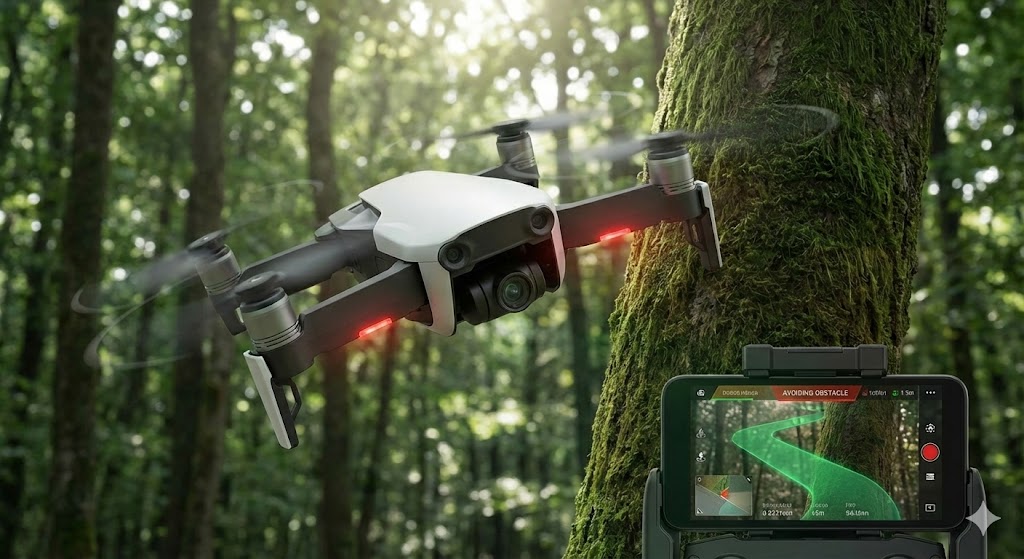
Common industrial applications are vast. In electronics manufacturing, laser sensors verify component placement on PCBs. In automotive assembly, they ensure precise gap and flush measurements between body panels. In packaging, they control fill levels and check label placement. In material handling, they provide precise positioning for robotic arms. When selecting a laser sensor module, engineers must consider key specifications: sensing range, spot size, repeatability, accuracy, response time, and the required output type (e.g., NPN/PNP, analog, IO-Link). Environmental factors like temperature fluctuations, dust, vibrations, and exposure to coolant must also be accounted for, often necessitating sensors with robust IP (Ingress Protection) ratings.
In conclusion, laser sensor modules represent a critical technology driving efficiency and quality in Industry 4.0. Their ability to deliver non-contact, high-precision measurements reliably makes them a cornerstone of advanced automation, robotics, and quality control systems. As technology advances, we can expect these modules to become even more compact, intelligent, and integrated with industrial IoT platforms, further enhancing their diagnostic capabilities and ease of use. For any engineer designing a modern automated system, a thorough understanding of laser sensor capabilities and selection criteria is essential for optimizing performance and achieving operational excellence.