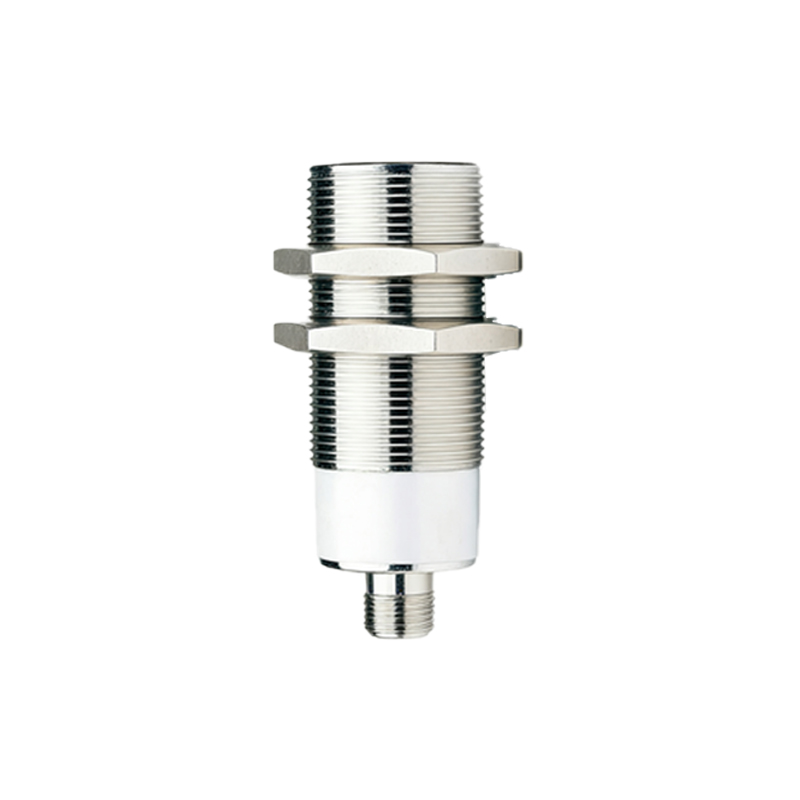
Proximity sensors are indispensable components in modern industrial automation, providing non-contact detection of metallic and non-metallic objects. Accurate calibration of these sensors is critical to ensure reliable operation, minimize false triggers, and maintain system integrity. This article outlines professional calibration methodologies for inductive, capacitive, and magnetic proximity sensors, adhering to industry best practices.
The calibration process begins with environmental preparation. Ensure the sensor is installed in its final operational location, accounting for ambient factors such as temperature, humidity, and the presence of contaminants like oil or dust. Verify that the power supply matches the sensor's specifications, typically 10-30V DC for most industrial models. Any electrical noise from nearby motors or frequency drives should be mitigated using shielded cables and proper grounding.
For inductive proximity sensors (used for metallic targets), the primary calibration parameter is the sensing distance, often referred to as the nominal sensing range (Sn). This value, provided in the datasheet, is determined under ideal conditions with a standard target. In practice, the actual sensing distance can vary due to target material, size, and shape. To calibrate, use a certified gauge block made of the specified target material (e.g., mild steel for standard calibration). Gradually move the target toward the sensor face along the axis of sensitivity until the output switches. Mark this position as the actuation point. Repeat this process several times to establish repeatability. The difference between the average measured actuation point and the theoretical Sn should not exceed 10%. If it does, adjust the sensor's sensitivity potentiometer (if available) or consider environmental interference.
Capacitive proximity sensors, capable of detecting non-metallic materials, require special attention to dielectric constants. Calibration involves setting the sensitivity threshold to distinguish the target from the background. Place the target material at the desired sensing distance. Using a small, non-conductive adjustment tool, turn the sensitivity screw clockwise until the sensor output activates. Then, slowly rotate counterclockwise until the output deactivates. The optimal setting is typically at the midpoint of this range, providing a buffer against fluctuations in material density or moisture content. Avoid setting the sensitivity too high, as this may cause detection of unwanted objects or background surfaces.
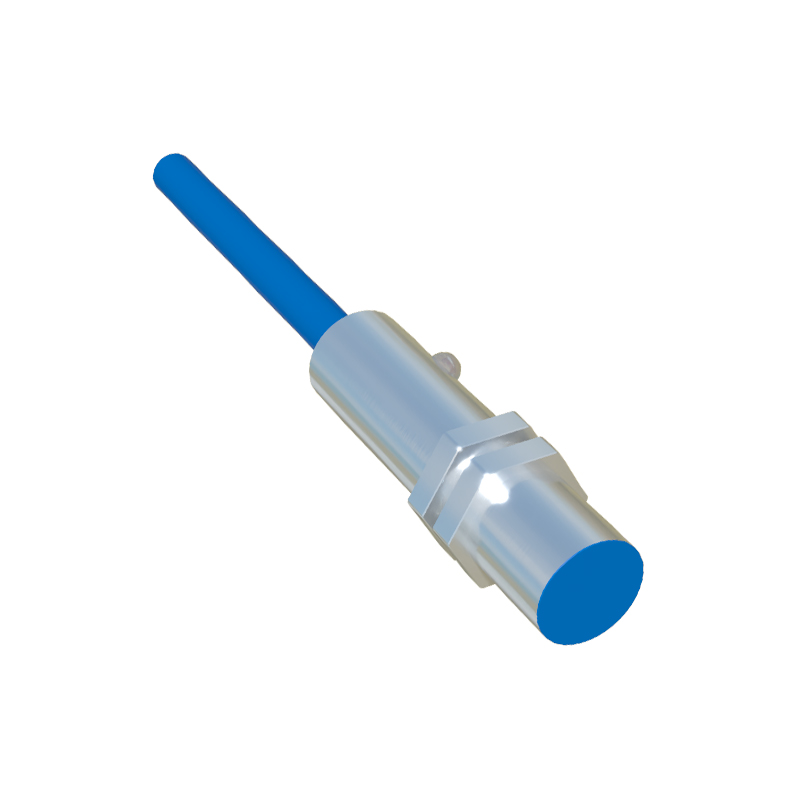
Magnetic proximity sensors, often used with permanent magnets, are calibrated based on the magnetic field strength. The key is to verify the operating point and release point distances relative to the magnet. Using a calibrated distance fixture, measure the distance at which the sensor consistently triggers when the magnet approaches (operating point). Then, measure the distance at which it reliably releases as the magnet retreats (release point). The hysteresis—the difference between these two distances—should be stable. A shifting hysteresis may indicate a weakening magnet or sensor malfunction.
Post-calibration, perform a full system validation. Simulate normal operating cycles, including maximum and minimum target speeds, to ensure the sensor triggers consistently without chatter. Document all calibration settings, including sensitivity adjustments, measured distances, and environmental conditions. This record is vital for troubleshooting and future recalibration.
Regular maintenance calibration is recommended every six to twelve months, or as dictated by operational criticality. Factors such as mechanical vibration, temperature extremes, and sensor aging can drift calibration over time. Advanced diagnostics, like oscilloscope monitoring of the output signal, can reveal issues like slow switching times or voltage drops.
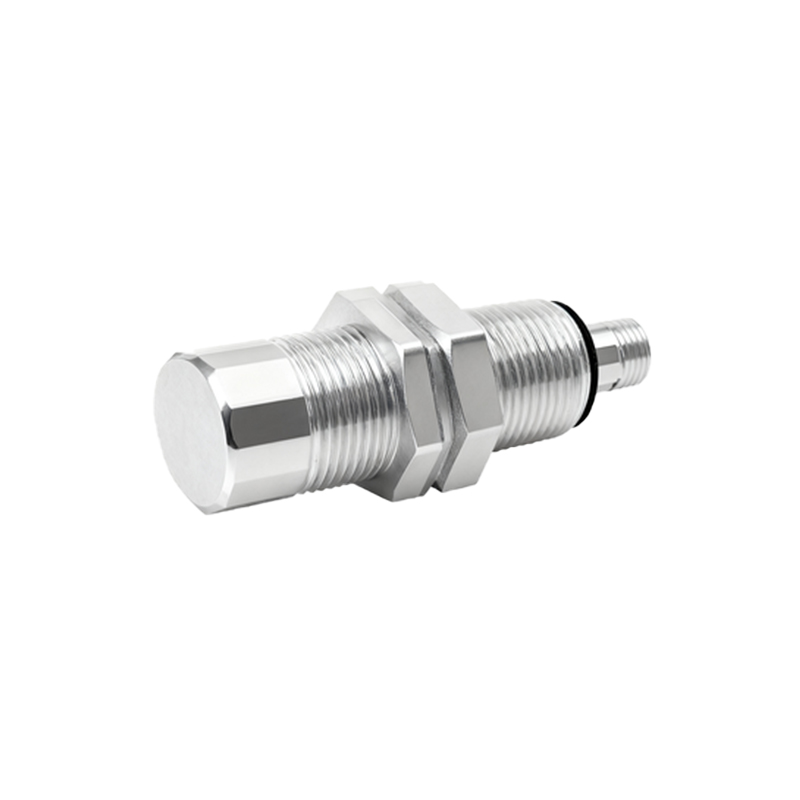
In summary, precise calibration of proximity sensors enhances system reliability and longevity. By following methodical steps tailored to sensor type and application, engineers can achieve optimal performance, reduce downtime, and maintain safety standards in automated industrial environments.