Radar proximity sensors are essential components in modern industrial automation, safety systems, and smart devices. These sensors operate based on the principle of electromagnetic wave reflection, similar to how radar systems detect objects in aviation or maritime applications. The core mechanism involves transmitting high-frequency radio waves—typically in the microwave or millimeter-wave spectrum—toward a target area and analyzing the reflected signals to determine the presence, distance, speed, or position of objects.
A typical radar proximity sensor consists of several key parts: a transmitter, a receiver, an antenna, and a signal processing unit. The transmitter generates electromagnetic waves, which are directed via the antenna into the surrounding environment. When these waves encounter an object, they reflect back toward the sensor. The receiver captures the reflected waves, and the signal processing unit calculates parameters such as time-of-flight, frequency shift, or phase difference. For instance, by measuring the time delay between transmission and reception, the sensor can compute the distance to the object using the formula: distance = (speed of light × time delay) / 2. This method, known as time-of-flight (ToF) ranging, is common in applications requiring precise distance measurement, like robotic navigation or conveyor belt monitoring.
Another important principle is the Doppler effect, used in motion-sensing radar proximity sensors. When an object moves relative to the sensor, the frequency of the reflected wave shifts slightly. By detecting this frequency change, the sensor can determine the object's velocity and direction. This is particularly useful in traffic control systems, automatic doors, or security alarms where motion detection is critical. Modern sensors often integrate both ToF and Doppler techniques for enhanced accuracy and functionality.
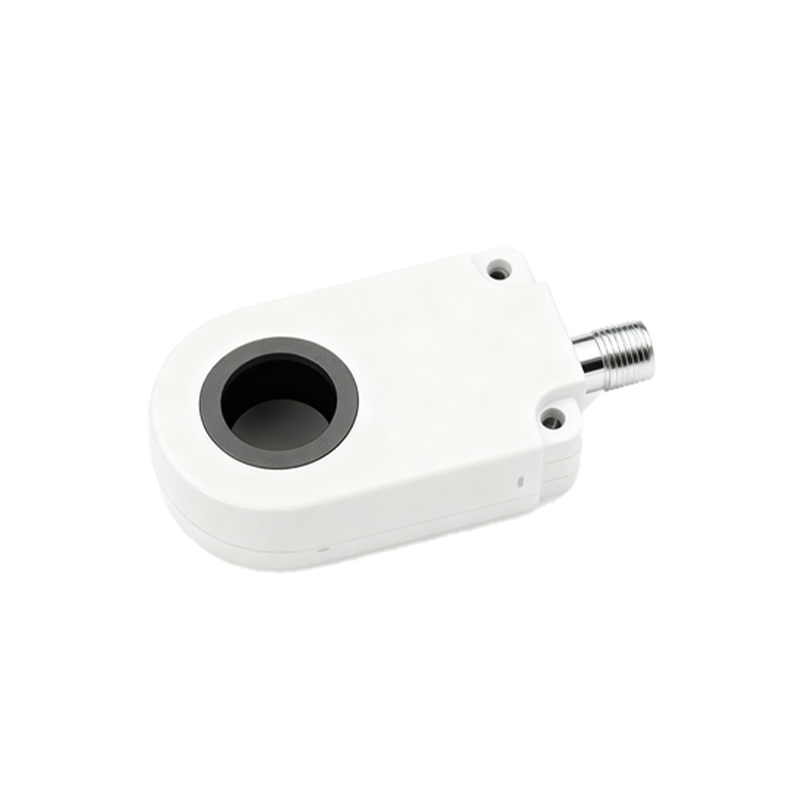
The accompanying principle diagram visually breaks down these processes. It typically shows the transmitter emitting waves in a conical or beam-like pattern, striking an object, and returning as echoes. Arrows or labels indicate the wave paths, while annotations explain components like the oscillator (which generates the signal), modulator (for signal shaping), and mixer (for comparing transmitted and received signals). The diagram may also highlight factors affecting performance, such as beam width, which determines the sensor's field of view, or material reflectivity, as metals and liquids reflect waves better than plastics or textiles.
In industrial settings, radar proximity sensors offer advantages over optical or ultrasonic types. They are less affected by environmental conditions like dust, fog, or temperature variations, making them reliable for harsh environments. Applications include level sensing in tanks, collision avoidance in autonomous vehicles, and object detection in manufacturing lines. For example, in a packaging facility, a radar sensor can monitor product flow on a high-speed conveyor without physical contact, reducing wear and tear.
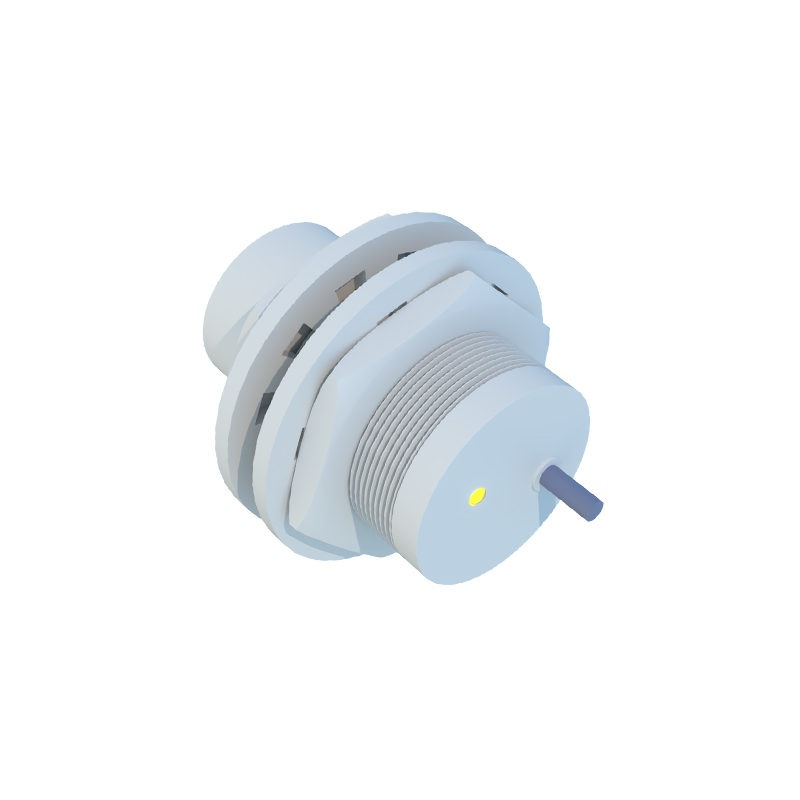
When selecting a radar proximity sensor, engineers consider parameters like operating frequency (e.g., 24 GHz or 60 GHz), range (from a few centimeters to several meters), and output type (analog or digital). Higher frequencies provide better resolution but have shorter ranges, while lower frequencies penetrate obstacles more effectively. The principle diagram aids in understanding these trade-offs by illustrating how wave propagation changes with frequency.
In summary, radar proximity sensors leverage electromagnetic wave properties to detect and measure objects non-invasively. Their working principle, centered on wave transmission, reflection, and analysis, enables versatile applications across industries. By referring to detailed diagrams, professionals can better grasp the technology, optimize sensor deployment, and troubleshoot issues, ensuring efficient and safe operations in automated systems.