Proximity sensors are essential components in modern industrial automation, enabling non-contact detection of objects within a specified range. The performance and reliability of these sensors heavily depend on the cables used to connect them. Proximity sensor cables are not merely conduits for electrical signals; they are engineered to withstand harsh industrial environments, ensuring stable data transmission and power supply. This article explores the common types of proximity sensor cables, their construction, and key selection criteria for various applications.
One primary category is PVC (Polyvinyl Chloride) cables, widely used due to their flexibility, cost-effectiveness, and decent resistance to oils, acids, and abrasion. These cables are suitable for general factory environments where extreme conditions are not prevalent. They typically feature stranded copper conductors for flexibility and are available in various shielding options to reduce electromagnetic interference (EMI). For instance, in packaging machinery or conveyor systems, PVC-jacketed cables provide reliable connectivity without significant downtime.
In more demanding settings, PUR (Polyurethane) cables offer superior performance. Known for their exceptional resistance to oils, chemicals, and mechanical stress, PUR cables are ideal for automotive manufacturing, food processing, and robotic applications. Their robust construction includes high-grade insulation and often double shielding to prevent signal degradation from nearby motors or frequency drives. The flexibility of PUR cables remains stable even at low temperatures, making them suitable for cold storage facilities or outdoor installations.
For environments with extreme temperatures or exposure to flames, silicone cables are the preferred choice. Silicone rubber insulation can withstand temperatures ranging from -60°C to +200°C, ensuring operational integrity in foundries, glass manufacturing, or welding stations. These cables are also highly flexible and resistant to ozone and UV radiation, though they may be less abrasion-resistant than PUR variants. In high-temperature zones, silicone cables prevent insulation breakdown, reducing fire hazards and maintenance costs.
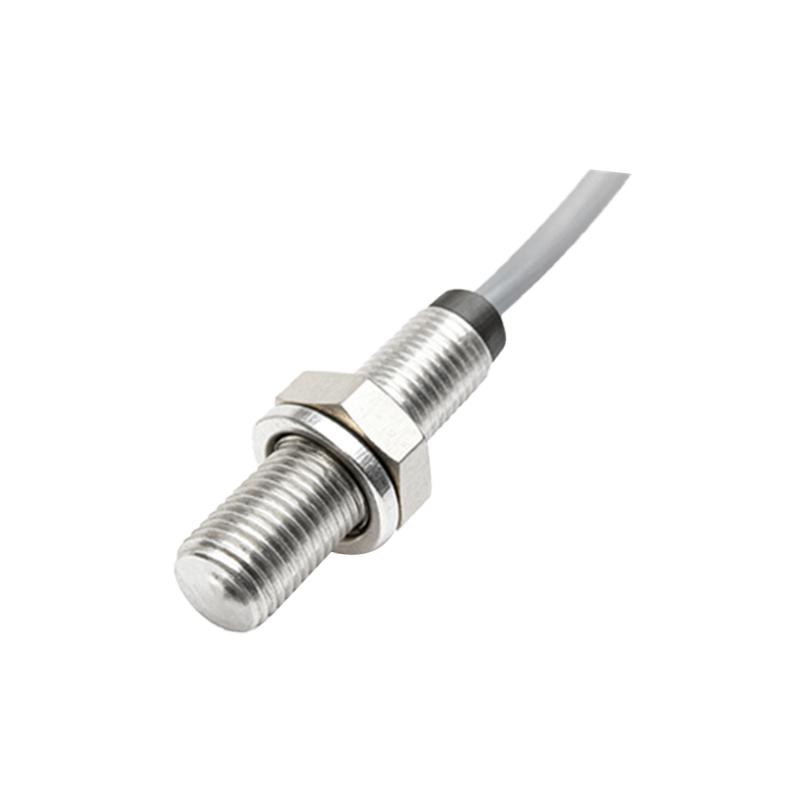
Shielding is a critical aspect of proximity sensor cables, especially in areas with high EMI. Common shielding types include braided shielding (often copper or aluminum) and foil shielding. Braided shielding provides better mechanical protection and grounding, effective in environments with heavy machinery. Foil shielding, usually combined with a drain wire, offers full coverage against high-frequency interference, crucial for precision sensing in CNC machines or medical equipment. Some advanced cables integrate both layers for maximum noise immunity.
Connector types also vary, with M8, M12, and M5 connectors being industry standards. M12 connectors, with 3 to 5 pins, are prevalent in factory automation for their locking mechanism and IP67-rated durability. M8 connectors are compact, suited for space-constrained applications like small sensors on robotic arms. The choice of connector affects cable compatibility and installation ease, with pre-molded versions offering better seal against moisture and dust.
When selecting a proximity sensor cable, consider factors like bend radius, continuous flex rating, and ingress protection (IP) rating. Cables rated for continuous flex, such as those with torsion-resistant cores, are vital for dynamic applications like cable carriers or rotating assemblies. Additionally, compliance with standards like UL, CE, or RoHS ensures safety and environmental suitability. For instance, in food industry applications, cables must resist frequent washdowns and meet FDA guidelines for material safety.
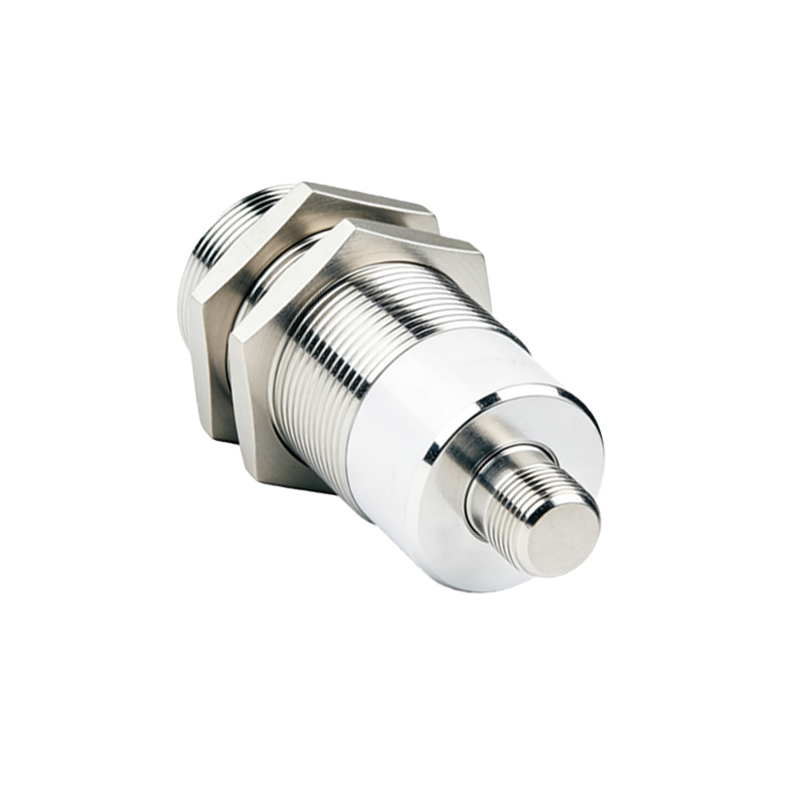
In summary, proximity sensor cables are tailored to specific industrial needs, from basic PVC options to specialized silicone or PUR designs. Proper selection enhances sensor accuracy, reduces downtime, and extends system lifespan. As Industry 4.0 advances, integrating smart cables with diagnostic capabilities may become standard, further optimizing automation processes. Engineers should assess environmental stressors—chemical exposure, temperature swings, and mechanical movement—to choose cables that guarantee reliable, long-term operation.