In the rapidly evolving field of electrical engineering and industrial automation, laser sensors have become indispensable components for precision measurement, object detection, and quality control. For professionals and students seeking to deepen their knowledge, navigating the vast array of literature on laser sensors can be daunting. A systematic classification of books is essential for efficient learning and reference. This guide provides a structured overview of laser sensor book categories, tailored to the needs of electrical industry practitioners.
The first major category encompasses Fundamental Principles and Physics. Books in this class delve into the core scientific concepts underlying laser technology. They cover topics such as laser emission principles, optical physics, photonics, and the fundamental interaction between laser light and matter. Key subjects include coherence, monochromaticity, beam divergence, and the different types of lasers used in sensing (e.g., diode lasers, fiber lasers). These texts are crucial for engineers who need a strong theoretical foundation to understand sensor specifications, limitations, and potential innovations. They often include foundational mathematics and wave optics essential for sensor design.
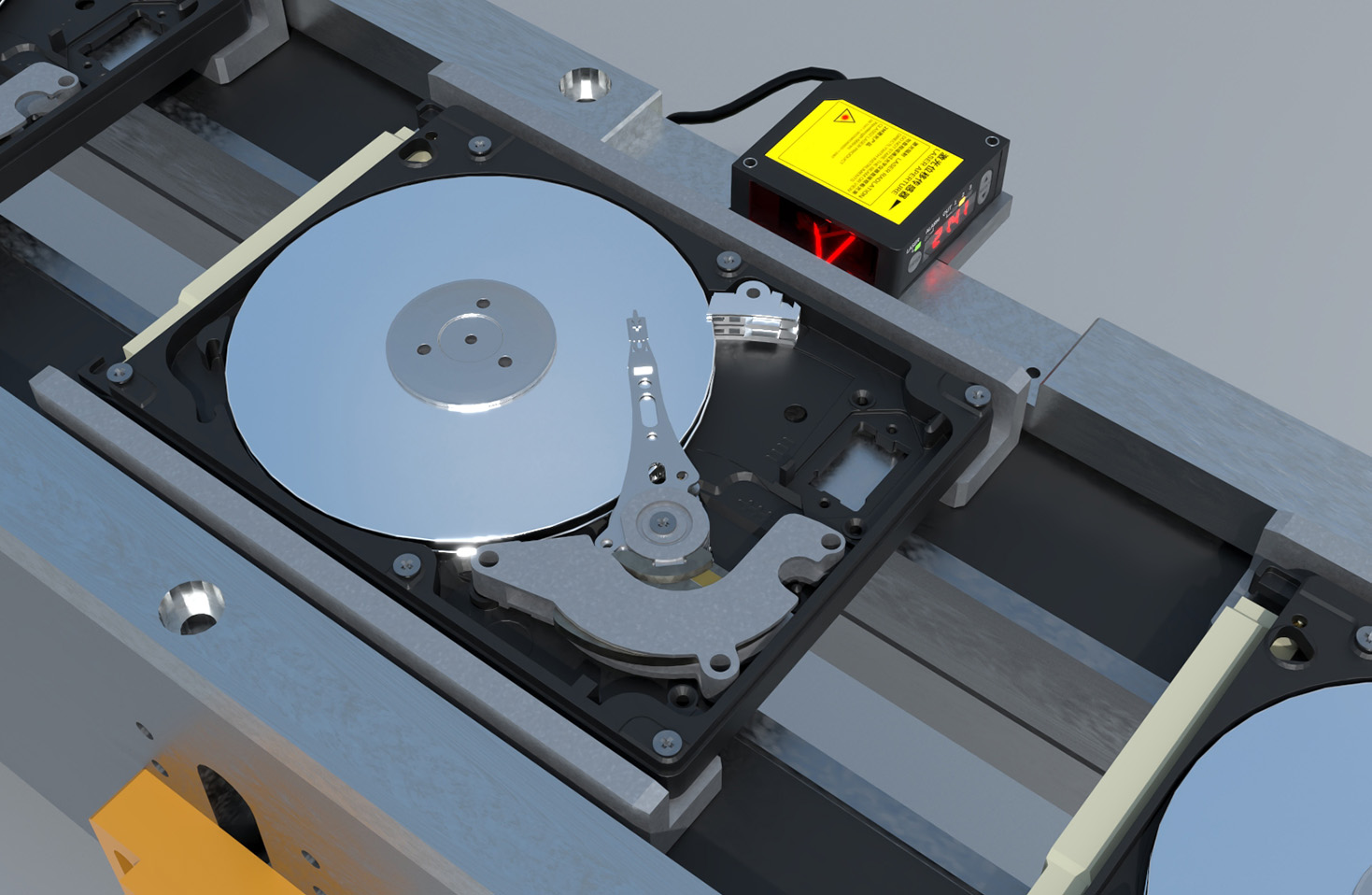
A second critical category is Design and Application Engineering. This is arguably the most practical shelf for working engineers. These volumes focus on the practical aspects of integrating laser sensors into systems. Content includes sensor selection criteria, interface electronics (dealing with analog/digital outputs, PLC integration), optical system design (lenses, apertures), and signal processing techniques for noise reduction and accuracy improvement. Books here often provide real-world case studies from manufacturing, robotics, and automotive industries, detailing how specific laser sensors solve measurement challenges like distance profiling, thickness gauging, or edge detection.
Third, we have Specialized Sensing Technologies and Advanced Topics. As the field advances, books become more niche. This category includes dedicated texts on specific modalities such as Laser Doppler Vibrometry (LDV) for vibration analysis, Light Detection and Ranging (LiDAR) for 3D mapping, confocal microscopy for surface inspection, and interferometric sensors for nanometer-scale measurements. These books are intended for specialists working on cutting-edge applications in aerospace, semiconductor fabrication, or biomedical engineering. They assume prior foundational knowledge and dive deep into advanced configurations, data interpretation, and system calibration.

Another vital classification is Industry Standards, Safety, and Implementation Handbooks. Electrical engineering is a discipline governed by standards and safety protocols. This category includes reference manuals from standards bodies (like IEC, ISO, or ANSI) pertaining to laser product safety (e.g., IEC 60825), performance testing, and electromagnetic compatibility. Practical handbooks from major sensor manufacturers also reside here, offering invaluable data on installation, wiring, troubleshooting, and maintenance. For engineers responsible for system compliance and field deployment, these are essential desk references.
Finally, a growing category is Integrated Systems and Industry 4.0. Modern laser sensors are rarely standalone devices; they are nodes in larger networked systems. Books in this emerging class cover the integration of laser sensors with the Industrial Internet of Things (IIoT), data fusion from multiple sensors, communication protocols (EtherCAT, PROFINET, IO-Link), and the role of sensor data in predictive maintenance and digital twin models. They bridge the gap between traditional sensing and smart factory concepts, addressing cybersecurity concerns and cloud-based analytics for sensor data.

Selecting the right book depends on one's career stage and immediate project needs. A student or new graduate should prioritize fundamental texts before moving to application manuals. A practicing design engineer will spend more time with application and design-oriented books, while a research and development specialist will require advanced topics literature. Maintenance and systems engineers will frequently consult standards and handbooks. By understanding this classification, electrical professionals can build a targeted and effective technical library, ensuring they have the right resources to leverage laser sensor technology for innovation and efficiency in their projects. Continuous learning through structured literature is key to mastering the precision and possibilities that laser sensors offer.