The construction industry is witnessing a paradigm shift driven by digitalization and precision technology. Among the most transformative tools are laser distance sensors, which have evolved from specialized surveying equipment into indispensable, multi-role instruments on the modern jobsite. Their core principle—emitting a laser pulse and measuring the time-of-flight or phase shift of its reflection—delivers unparalleled accuracy, speed, and reliability for a vast array of applications.
In the pre-construction phase, laser scanners create highly detailed 3D point clouds of existing sites or structures. This data forms the foundation for accurate Building Information Modeling (BIM), enabling clash detection, precise material take-offs, and streamlined planning. The ability to capture complex geometries non-invasively saves countless hours compared to traditional manual measurement, reducing initial project risk and cost.
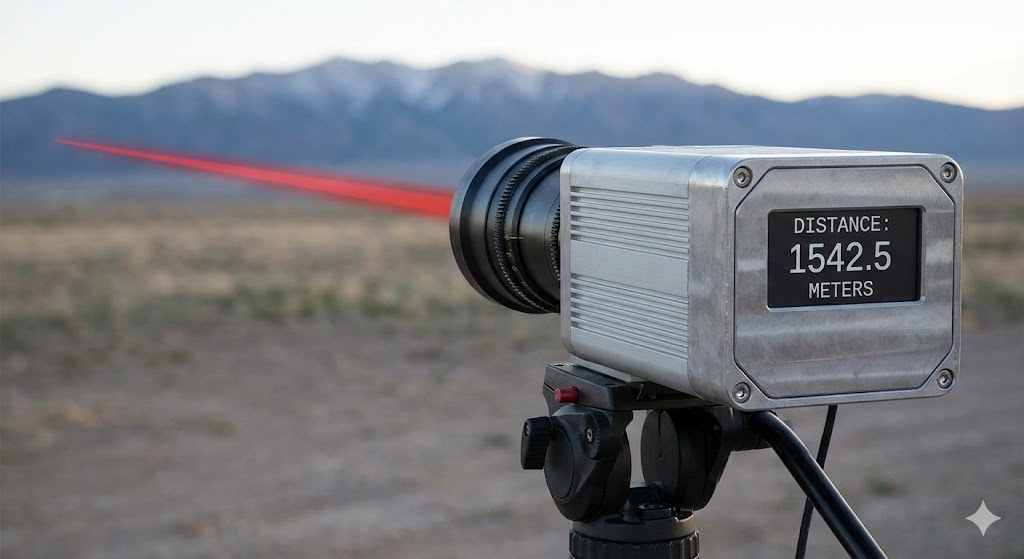
During structural work, laser distance sensors are critical for layout and alignment. Robotic total stations, guided by digital plans, automatically project reference points and lines with millimeter precision, ensuring walls, columns, and floors are built exactly to specification. Handheld laser distance meters, or "laser measurers," have become ubiquitous for quick verifications of room dimensions, ceiling heights, and component spacing, replacing error-prone tape measures and increasing crew productivity.

One of the most significant applications is in machine control and automation. Excavators, bulldozers, and graders equipped with laser receivers or GNSS-integrated systems can achieve precise grade leveling and excavation depths. The sensor provides real-time feedback to the machine's control system, allowing operators to follow digital terrain models accurately. This results in reduced material waste, fewer reworks, and faster completion of earthmoving and foundation tasks. Furthermore, on interior projects, self-leveling laser levels that project perfectly horizontal and vertical lines over long distances are essential for installing drop ceilings, partition walls, and mechanical systems.
Quality control and safety monitoring are other critical domains. Laser sensors can continuously monitor structural deflection or settlement in real-time during construction or renovation of sensitive structures like bridges or high-rises. They are also deployed for volume measurement of bulk materials like gravel or sand in storage yards. For safety, laser-based proximity sensors can create virtual barriers around dangerous machinery or open edges, alerting personnel to potential hazards.
The latest advancements are integrating these sensors with the Internet of Things (IoT) and cloud platforms. Data from multiple sensors across a site can be aggregated, providing project managers with a real-time dashboard of progress, deviations, and potential issues. This connectivity facilitates a more proactive, data-driven management approach.
Despite their advantages, challenges remain. Environmental factors like heavy dust, intense rain, or direct sunlight can sometimes interfere with laser signal detection. The initial investment in high-end scanning or machine-control systems can be substantial, though the return on investment through efficiency gains is well-documented. Proper training is also essential for personnel to leverage the full capabilities of this technology and interpret the data correctly.
In conclusion, laser distance sensor technology is no longer an optional luxury but a core component of modern, efficient, and safe construction practices. From initial scanning to final inspection, these devices enhance accuracy, accelerate timelines, and improve overall project outcomes. As sensor technology continues to advance, becoming more robust, affordable, and integrated with AI and robotics, its role in shaping the future of construction—from automated bricklaying to drone-based progress tracking—will only become more profound and indispensable.