In the realm of industrial automation and electronic systems, proximity sensors are indispensable components that detect the presence or absence of objects without physical contact. A common query among engineers and designers is: what constitutes normal power consumption for these sensors? Typically, proximity sensors operate within a power range that balances efficiency, reliability, and functionality. Most standard inductive or capacitive proximity sensors consume between 1 to 3 watts under normal operating conditions. This range is considered normal as it ensures stable detection performance while minimizing energy waste and heat generation.
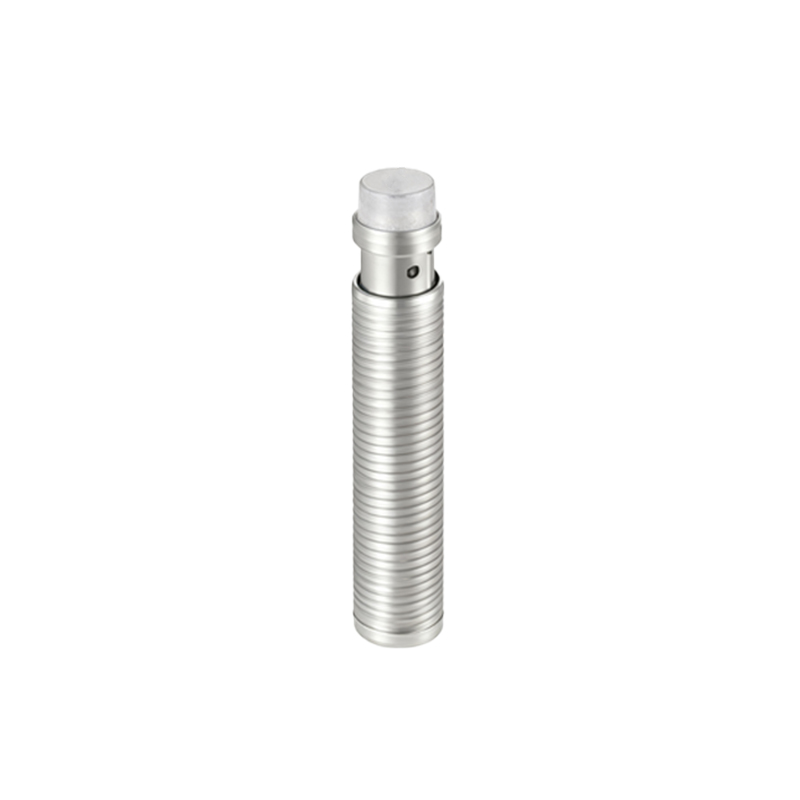
The power consumption of a proximity sensor is influenced by several factors, including its type, sensing distance, output configuration, and supply voltage. For instance, inductive sensors, commonly used for metal detection, often have lower power demands compared to capacitive sensors designed for non-metallic materials. A typical 12-24V DC inductive sensor might draw around 100-200 milliamps, translating to approximately 1.2 to 4.8 watts. In contrast, ultrasonic or photoelectric proximity sensors may vary more widely, with some models consuming up to 5 watts due to their complex circuitry and longer sensing ranges. It's crucial to consult the manufacturer's datasheet for precise specifications, as deviations can occur based on design and application.
Normal power levels are engineered to align with industry standards such as IEC 60947-5-2, which outlines performance and safety requirements. Excessive power consumption, beyond the normal range, can indicate issues like sensor damage, electrical faults, or improper installation, leading to reduced lifespan or false triggers. Conversely, power consumption significantly below normal might suggest insufficient output or sensitivity problems. Engineers should regularly monitor power usage during operation, using multimeters or integrated monitoring systems, to ensure sensors function within their designated parameters.
In practice, optimizing power consumption involves selecting the right sensor for the application. For low-power or battery-operated systems, energy-efficient models with sleep modes or pulsed operation are available, consuming as little as 0.5 watts in standby. Additionally, proper wiring and voltage regulation can prevent power spikes and ensure consistent performance. As technology advances, modern proximity sensors are trending toward lower power consumption without compromising detection accuracy, supporting sustainable industrial practices. Ultimately, understanding and maintaining normal power levels is key to maximizing sensor efficiency and system reliability in diverse environments, from manufacturing lines to consumer electronics.
