In the realm of industrial automation, proximity sensors are indispensable for non-contact object detection. Among the various types, aluminum detection proximity sensors hold a unique and critical position. Unlike standard inductive sensors designed primarily for ferrous metals, these specialized sensors are engineered to reliably detect non-ferrous metals, with aluminum being a primary target. Their operation is based on the principle of high-frequency oscillation. A standard inductive sensor generates an electromagnetic field. When a ferrous metal enters this field, it causes significant eddy current losses, damping the oscillations and triggering a detection signal. However, non-ferrous metals like aluminum, copper, or brass cause much weaker damping effects due to their lower permeability and different electrical conductivity, rendering standard sensors ineffective or unstable.
Aluminum detection sensors overcome this limitation through a refined design. They typically operate at a higher frequency and incorporate a specialized oscillator circuit and coil design that is sensitive to the specific eddy current patterns generated in non-ferrous materials. Some achieve this through a "factor-1" design, meaning they have the same sensing range for steel and aluminum, while others may use a balanced coil system to distinguish between material types. The key performance metric is the "reduction factor," which indicates the reduced sensing distance for aluminum compared to steel. A sensor with a reduction factor of 1:1 is ideal for pure aluminum detection, offering consistent performance.
The applications for aluminum detection proximity sensors are vast and span numerous industries. In automotive manufacturing, they are crucial for process control where aluminum components, such as engine blocks, wheels, or body panels, are prevalent. They ensure correct part positioning on assembly lines, verify the presence of aluminum fixtures, and control robotic handling systems. In packaging and bottling lines, these sensors detect aluminum caps, foil seals, or cans with high reliability, preventing jams and ensuring product integrity. The aerospace sector relies on them for machining and assembly processes involving lightweight aluminum alloys. Furthermore, in general material handling and sorting systems, they enable the separation of aluminum from other materials, facilitating efficient recycling operations.
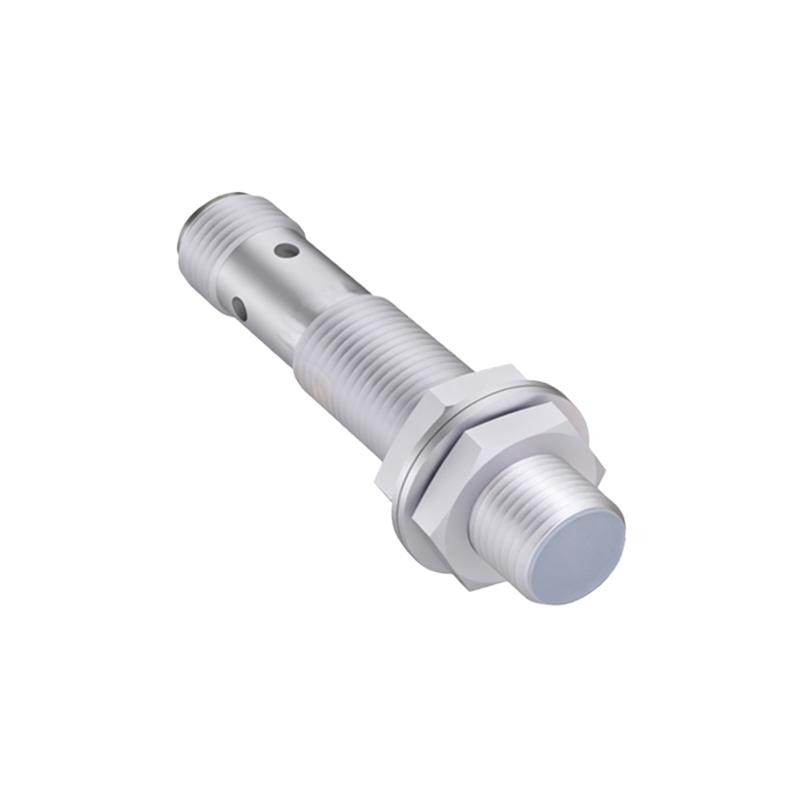
Selecting the right aluminum detection sensor requires careful consideration of several parameters. First, the sensing distance must be chosen based on the application's mechanical constraints and the reduction factor for the specific aluminum alloy being detected. Environmental factors are paramount; sensors should have appropriate ingress protection (IP) ratings (e.g., IP67, IP69K) for washdown or outdoor use and be resistant to coolants, oils, and metal chips. The housing material, often stainless steel or nickel-plated brass, must withstand harsh conditions. Output type (PNP/NPN, NO/NC) must be compatible with the programmable logic controller (PLC) or control system. Additionally, factors like switching frequency, temperature range, and connection type (pre-wired cable or connector) play a vital role in ensuring long-term reliability.
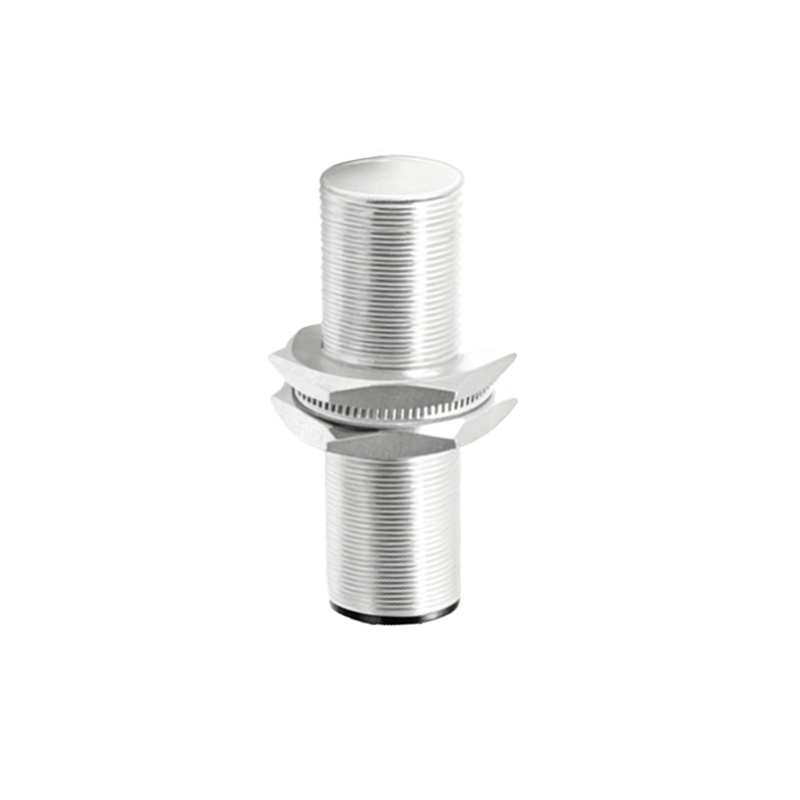
Installation and commissioning also demand attention. Maintaining the correct mounting distance from metal backplanes (as specified by the manufacturer) is essential to prevent false triggering. The sensor should be positioned to account for the target object's approach direction, as the sensing range is typically specified for a frontal approach. Regular maintenance involves checking for physical damage, buildup of contaminants on the sensing face, and verifying the stability of the electrical connections.
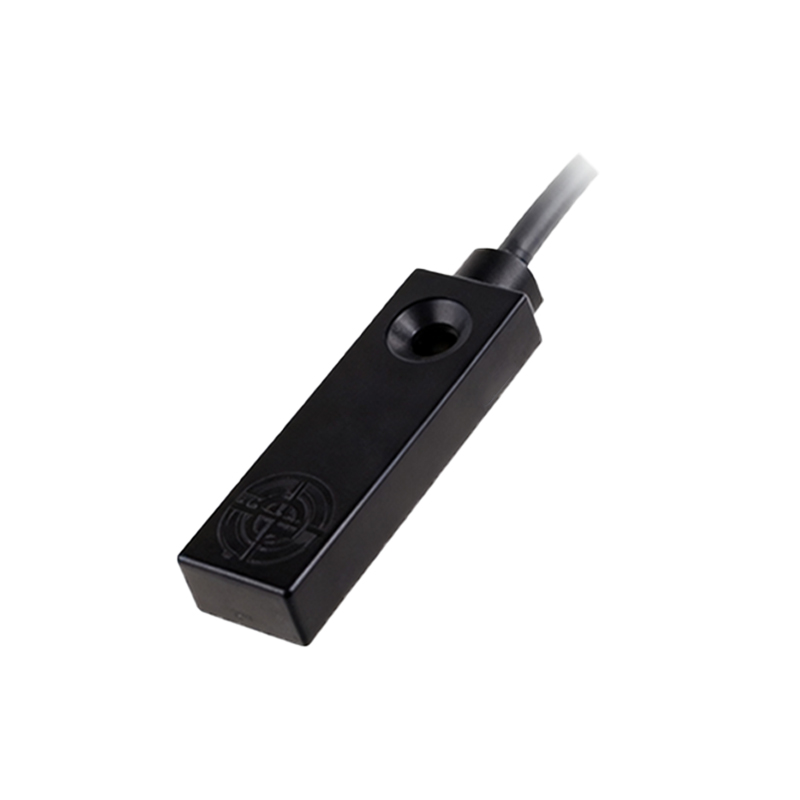
In conclusion, aluminum detection proximity sensors are sophisticated devices that solve a specific challenge in industrial sensing. By understanding their operating principle, recognizing their diverse applications, and following a meticulous selection and installation process, engineers and technicians can significantly enhance the reliability, efficiency, and flexibility of automated systems handling aluminum components. As industries continue to adopt lightweight aluminum for its strength and sustainability, the role of these specialized sensors will only become more prominent.