In the realm of industrial automation and control systems, proximity sensors are indispensable components for non-contact detection of objects. Among the various types, the two-wire PNP (Positive-Negative-Positive) proximity sensor stands out for its simplicity and reliability. This article delves into the operational principles, wiring configurations, and practical applications of these sensors, providing a comprehensive guide for engineers and technicians.
A PNP proximity sensor is a solid-state electronic device that detects the presence or absence of a metallic or non-metallic target without physical contact. The "PNP" designation refers to the type of transistor output it employs. In a PNP configuration, the output switches the positive voltage supply line. When an object enters the sensor's detection range, the internal transistor turns on, allowing current to flow from the sensor's output terminal to the load, effectively closing the circuit. The "two-wire" aspect signifies that the device requires only two connection wires for both power supply and signal output, simplifying installation compared to three-wire or four-wire variants.
The fundamental working principle is based on electromagnetic or capacitive sensing, depending on the target material. Inductive PNP sensors, the most common type for metal detection, generate an oscillating electromagnetic field. When a conductive target enters this field, it induces eddy currents, dampening the oscillation. This change is detected by the sensor's circuitry, triggering the PNP transistor to switch the output state. Capacitive versions operate by detecting changes in capacitance when any material (liquid, solid, or granular) enters the sensing field, making them versatile for diverse applications.
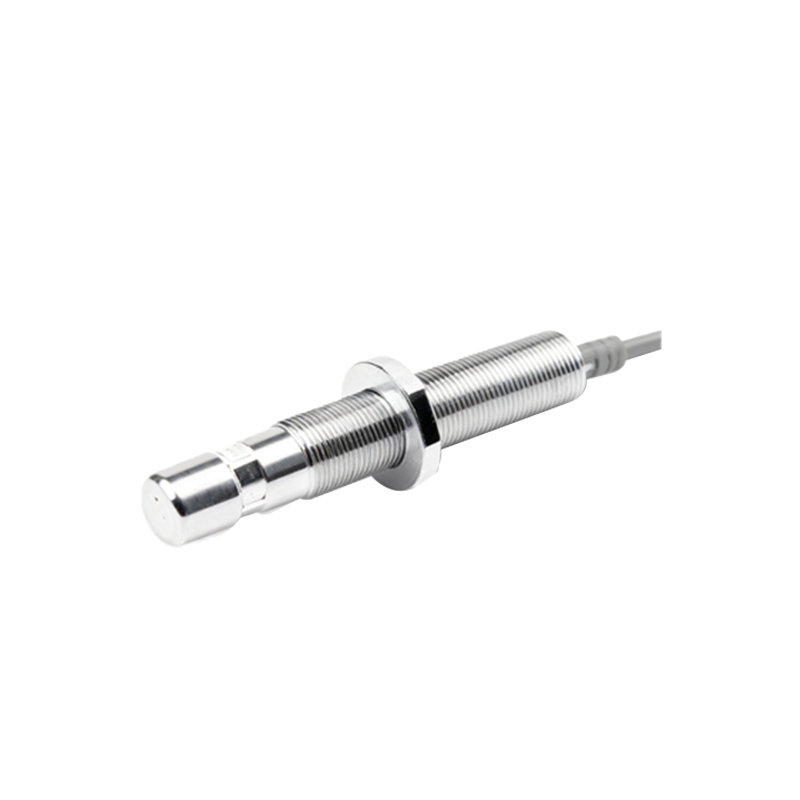
Wiring a two-wire PNP sensor is notably straightforward. The two terminals are typically labeled as brown (or +) for the positive supply line and blue (or -) for the load connection. Unlike three-wire sensors with separate power, ground, and signal lines, the two-wire model integrates the signal output with the power line. It is connected in series with the load (such as a programmable logic controller input, relay, or indicator lamp) and the power supply. The sensor itself consumes a small quiescent current (leakage current) even when inactive, which must be considered to ensure the connected load does not falsely trigger. A typical wiring setup involves connecting the positive terminal of a DC power supply (commonly 10-30V DC) to the sensor's brown wire. The sensor's blue wire is then connected to one terminal of the load, and the other load terminal is connected to the negative side of the power supply, completing the series circuit. When the sensor detects a target, it allows sufficient current to flow through the load to activate it.
Key advantages of two-wire PNP proximity sensors include reduced installation time and cost due to fewer wires, enhanced reliability with fewer connection points, and compatibility with a wide range of DC control systems. They are particularly beneficial in space-constrained environments. However, designers must account for the inherent leakage current (usually under 2 mA), which might necessitate a minimum load current or the use of a bleeder resistor to prevent residual voltage from causing malfunction in highly sensitive control inputs.
In practical applications, these sensors are ubiquitous across manufacturing, packaging, material handling, and automotive industries. They are employed for tasks such as part presence verification on conveyor belts, position sensing in machinery, end-of-travel detection in actuators, and counting objects. Their robust construction, often featuring IP67 or higher ingress protection ratings, allows reliable operation in harsh conditions with dust, moisture, or vibration.
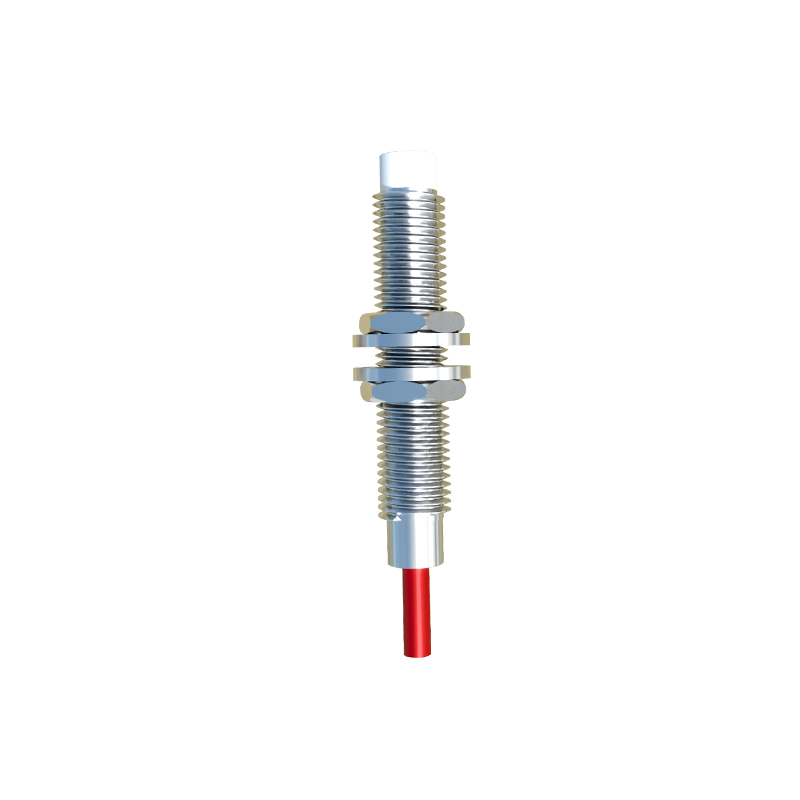
Selecting the appropriate two-wire PNP sensor involves considering factors like sensing distance, target material, operating voltage range, output current capacity, housing style (cylindrical, rectangular, etc.), and environmental ratings. Regular maintenance, though minimal, should include checking for physical damage, ensuring clean sensing faces, and verifying electrical connections to sustain optimal performance.
In conclusion, the two-wire PNP proximity sensor is a cornerstone of efficient and cost-effective automation. Its straightforward design, ease of integration, and dependable performance make it a preferred choice for countless detection tasks. Understanding its operation and proper wiring is essential for engineers to design robust and responsive control systems that enhance productivity and safety in industrial settings.
