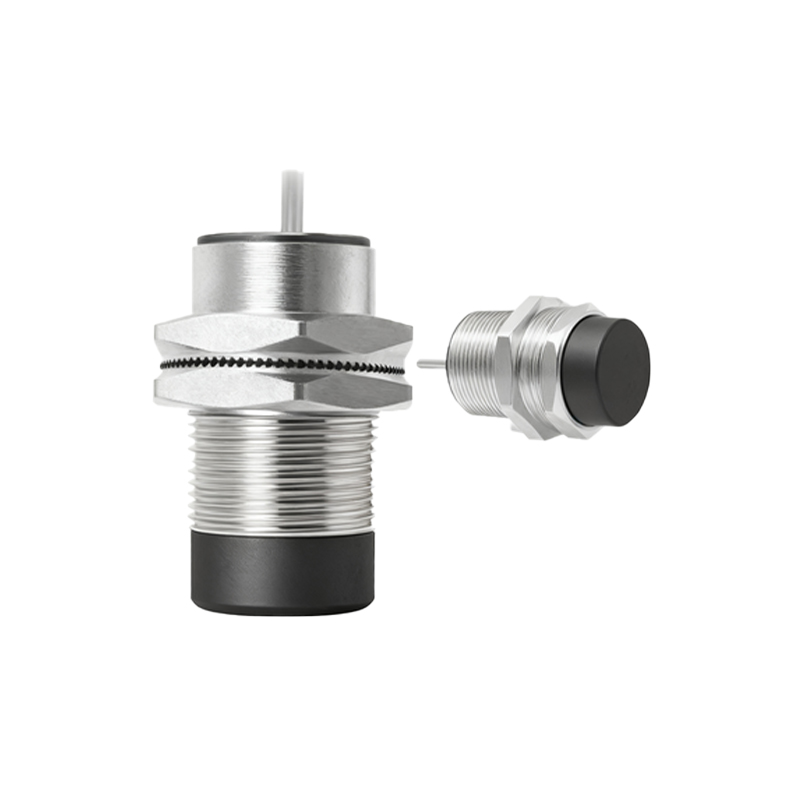
In the world of modern electronics, particularly within smartphones and digital cameras, a small yet crucial component operates silently to enhance user experience and conserve power: the viewfinder proximity sensor. This sensor, often unnoticed by the end-user, plays a pivotal role in the seamless interaction between humans and their devices.
A viewfinder proximity sensor is fundamentally an infrared (IR) sensor. It typically consists of an IR LED emitter and an IR photodiode receiver. The principle is straightforward: the emitter sends out an invisible beam of infrared light. When an object, such as a user's face or hand, comes close to the sensor, this light reflects back and is detected by the receiver. The sensor's circuitry then interprets this signal, triggering a predefined action.
The most ubiquitous application is in smartphones. During a phone call, when you bring the device close to your ear, the proximity sensor detects this and automatically turns off the touchscreen display. This serves a dual purpose. First, it prevents accidental touch inputs from your cheek or ear from muting the call, opening apps, or pressing dial pad buttons. Second, and equally important, it significantly reduces power consumption by disabling the display's backlight, which is one of the most power-hungry components in a mobile device. Once you move the phone away from your ear, the sensor detects the absence of the object and promptly restores the display, allowing you to end the call or use the keypad.
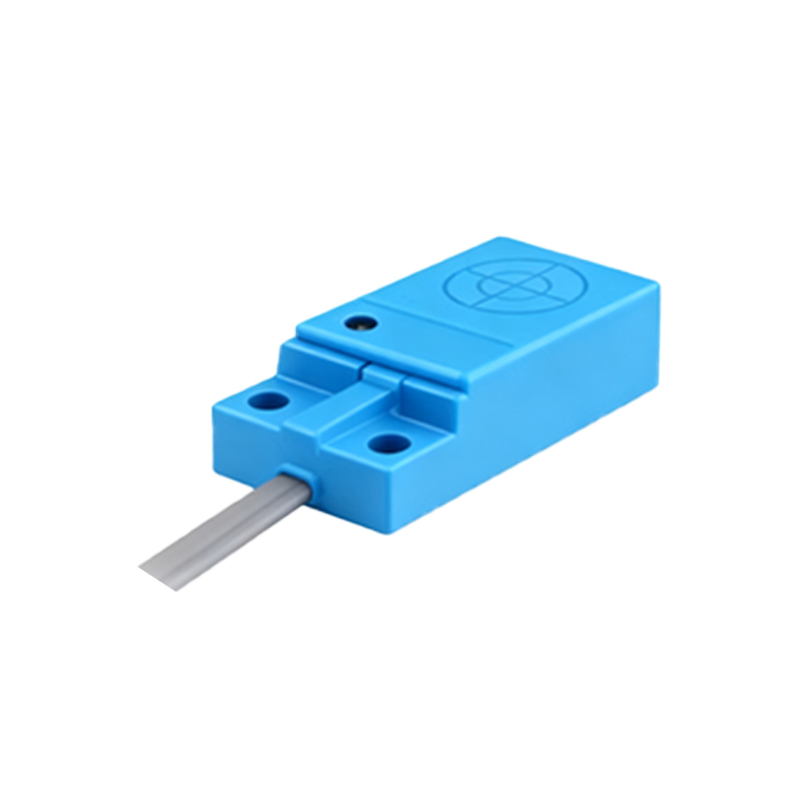
Beyond phone calls, this technology is integral to the functionality of modern "always-on" displays and smart wake features. The sensor helps the device distinguish between being in a pocket or bag versus being laid on a table, ensuring the display activates only when intended. In some implementations, it works in concert with the ambient light sensor to fine-tune display brightness and behavior for optimal battery life and readability.
In the realm of digital cameras, especially DSLRs and mirrorless cameras with electronic viewfinders (EVF), a similar sensor is employed. When a photographer raises the camera to their eye, the proximity sensor detects the approach and automatically switches the display from the rear LCD screen to the electronic viewfinder. This not only saves battery power but also provides a more immersive and traditional shooting experience by blocking out ambient light. It's a subtle automation that professional and amateur photographers alike have come to rely on for speed and efficiency.
The technology has evolved from simple binary detection to more sophisticated versions. Some modern sensors can gauge approximate distance, enabling more nuanced interactions. The implementation requires careful calibration and placement, often hidden behind the black bezel of a phone screen or around the camera's viewfinder eyepiece, which is transparent to infrared light.
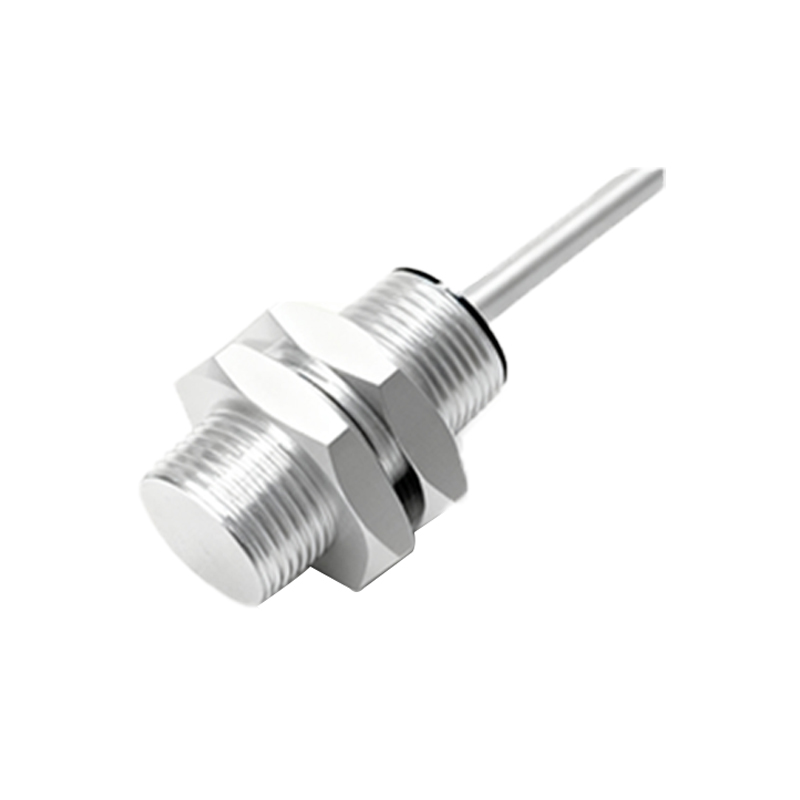
Despite its benefits, the technology is not without challenges. False triggers can occur from certain materials that poorly reflect IR light or in environments with intense infrared interference. Manufacturers continuously refine sensor algorithms and hardware placement to mitigate these issues. Furthermore, the rise of full-screen, bezel-less smartphone designs has pushed engineers to develop new solutions, such as under-display proximity sensors, which operate through tiny openings in the display panel.
From an engineering perspective, the integration of the proximity sensor is a testament to the pursuit of intuitive design. It addresses a practical interaction problem—accidental screen touches—with an elegant, automated solution that operates in the background. Its contribution to energy efficiency aligns with the growing emphasis on sustainable technology and longer device battery life.
In conclusion, the viewfinder proximity sensor is a quintessential example of how a minor hardware component can have a major impact on daily usability and device performance. It bridges the gap between human action and machine response, making our interactions with smartphones and cameras more reliable, efficient, and natural. As device form factors continue to evolve, the principles and applications of this sensing technology will undoubtedly adapt and find new roles in the ever-advancing landscape of personal electronics.