The global pandemic has fundamentally altered our relationship with shared spaces and everyday objects. From office buildings and hospitals to retail stores and public transportation, minimizing physical contact has become a paramount concern for public health and personal safety. In this new landscape, a once-humble industrial component has risen to unexpected prominence: the proximity sensor. These devices, designed to detect the presence or absence of nearby objects without physical contact, are now at the forefront of creating touchless, smarter, and safer environments.
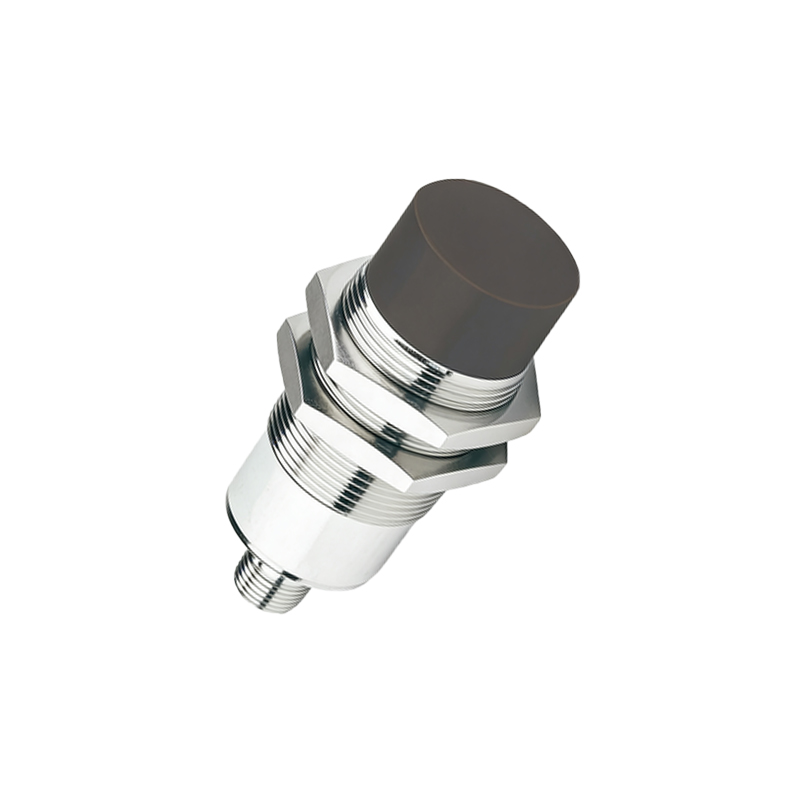
At its core, a proximity sensor works by emitting an electromagnetic field or a beam of radiation, such as infrared light, and then looking for changes in the field or return signal. The most common types include inductive sensors for detecting metal, capacitive sensors for a wider range of materials, and photoelectric sensors using light beams. Their primary advantage is clear: they enable interaction without touch. Before the pandemic, this functionality was largely leveraged for industrial automation, smartphone screen management, and automatic doors. However, the urgent need to reduce high-touch surfaces has dramatically expanded their application scope.
One of the most visible integrations has been in public sanitation. Touchless faucets, soap dispensers, hand dryers, and flush valves in restrooms have moved from a luxury to a necessity. Proximity sensors ensure these fixtures operate only when needed, conserving resources while eliminating a major vector for germ transmission. Similarly, in healthcare settings, sensor-activated doors allow medical staff to move between isolation zones without contaminating door handles, a critical measure in controlling infection spread.
The workplace and retail sectors have also seen rapid adoption. Sensor-based attendance systems replace fingerprint scanners. Automatic doors and entryways facilitate smooth, hands-free traffic flow. In elevators, buttons can be replaced with gesture-controlled panels or smartphone interfaces triggered by sensors. Retailers use people-counting sensors to monitor and enforce occupancy limits, while also enabling touchless payment terminals. These applications not only address health concerns but also streamline operations, offering a dual benefit of safety and efficiency.
Beyond immediate touchless control, proximity sensors are key enablers of social distancing monitoring. While not identifying individuals, strategically placed sensors can detect when people are clustered too closely in a queue, a waiting room, or a warehouse floor. This data can trigger real-time alerts—such as a gentle light signal or an audio reminder—encouraging people to spread out. This non-intrusive, anonymous method of promoting distancing guidelines is often more palatable and effective than constant human supervision.
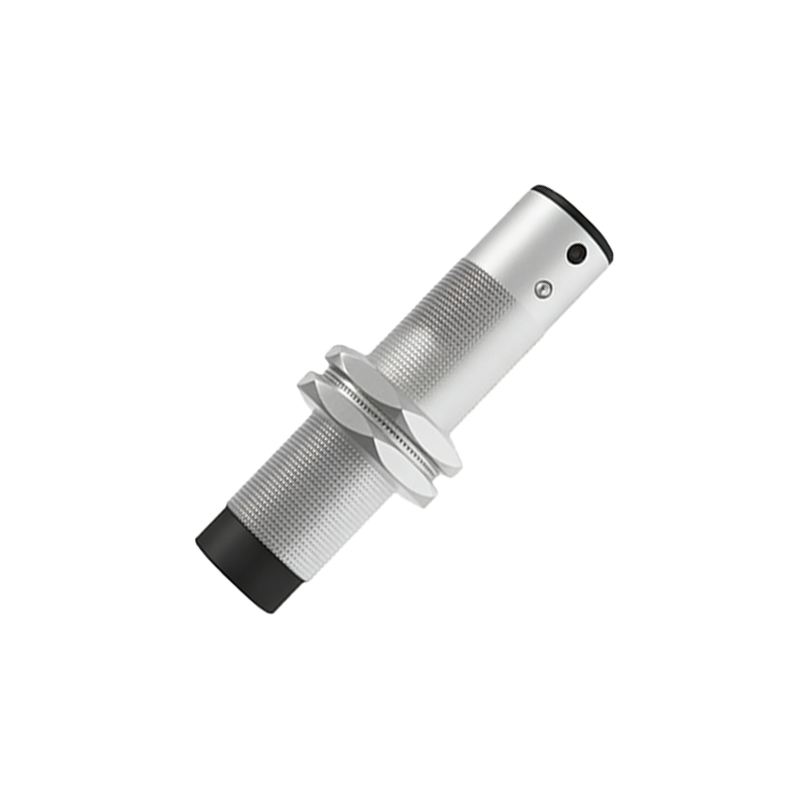
The pandemic has also accelerated innovation in sensor technology itself. There is a growing demand for sensors with higher accuracy to reduce false triggers, improved hygiene with antimicrobial coatings, and enhanced durability for high-traffic areas. Furthermore, the integration of sensor data with the Internet of Things (IoT) platforms is creating "smart spaces." Data from a network of sensors can be analyzed to optimize building ventilation based on occupancy, schedule deep-cleaning cycles for high-use areas, and provide insights into space utilization patterns for future planning.
However, this rapid deployment is not without challenges. The initial cost of retrofitting existing infrastructure can be significant. Maintenance and calibration are crucial, as a malfunctioning sensor on a faucet or door can cause more frustration than a manual alternative. There are also considerations regarding energy consumption for always-on devices and the environmental impact of producing and disposing of more electronic components.
Looking forward, the role of proximity sensors is likely to become a permanent fixture in our built environment. The pandemic has ingrained a heightened awareness of hygiene and contactless interaction that will persist. The convenience and operational benefits they provide ensure their relevance beyond the immediate health crisis. Future developments may include more sophisticated multi-sensor systems that can differentiate between intentional gestures and accidental movements, or low-power variants for wider deployment.
In conclusion, the COVID-19 pandemic acted as a powerful catalyst, propelling proximity sensors from specialized industrial tools into essential elements of public health infrastructure. By enabling reliable, touchless interaction, they have become silent guardians in the fight against pathogen transmission. Their integration into our daily lives represents a meaningful convergence of technology and public health strategy, creating environments that are not only safer but also more responsive and efficient. As we navigate the post-pandemic world, these sensors will continue to shape how we design, manage, and interact with the spaces around us, leaving a lasting legacy on the architecture of safety.