In the realm of industrial automation and control systems, proximity sensors stand as fundamental components, enabling machines to perceive their environment without physical contact. A proximity sensor is defined as a non-contact sensor that detects the presence or absence of an object within a specified sensing range. It operates by emitting an electromagnetic field, beam, or radiation and then monitoring for changes in the field or return signal. The primary advantage of this technology is its ability to provide reliable detection while avoiding mechanical wear and tear, which is crucial for high-speed operations and harsh industrial environments.
The working principle of proximity sensors varies based on their type. The most common categories include inductive, capacitive, ultrasonic, and photoelectric sensors. Inductive proximity sensors are widely used for detecting metallic objects. They generate an oscillating electromagnetic field from a coil. When a metallic target enters this field, it induces eddy currents, causing a change in oscillation amplitude. This change is detected by the sensor's circuitry, triggering an output signal. These sensors are ideal for applications involving ferrous and non-ferrous metals, such as in automotive assembly lines or metal machining centers.
Capacitive proximity sensors, on the other hand, can detect both metallic and non-metallic materials, including liquids, plastics, and wood. They function by measuring changes in capacitance between the sensor and the target object. The sensor creates an electrostatic field, and when an object with a different dielectric constant enters this field, the capacitance alters, leading to detection. This makes capacitive sensors versatile for applications like level detection in tanks, material handling, and packaging industries.
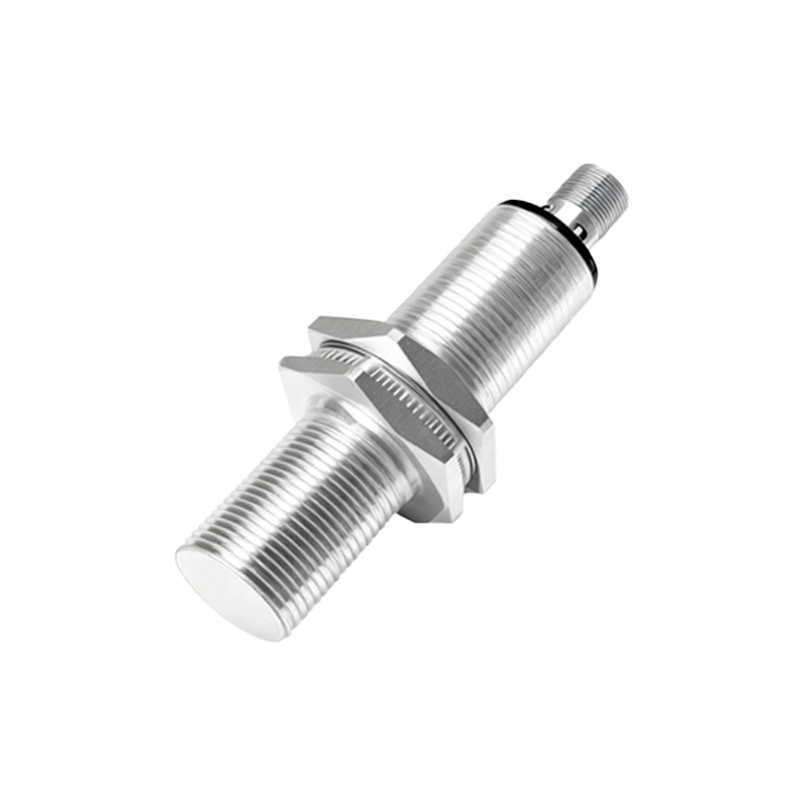
Ultrasonic proximity sensors utilize sound waves beyond human hearing to detect objects. They emit high-frequency ultrasonic pulses and calculate the time taken for the echo to return. By analyzing this time-of-flight, the sensor determines the distance to the object. These sensors are effective for detecting objects regardless of color, transparency, or material, making them suitable for challenging conditions such as dusty environments or liquid level monitoring.
Photoelectric sensors operate by projecting a light beam—often infrared, visible, or laser—toward a target. They detect objects based on the interruption or reflection of this beam. There are three main configurations: through-beam, retro-reflective, and diffuse reflective. Through-beam sensors have separate emitter and receiver units, offering long sensing ranges and high accuracy. Retro-reflective sensors use a reflector to bounce the beam back to the receiver, while diffuse reflective sensors rely on light reflecting directly off the target. Photoelectric sensors are commonly used in conveyor systems, object counting, and safety barriers.
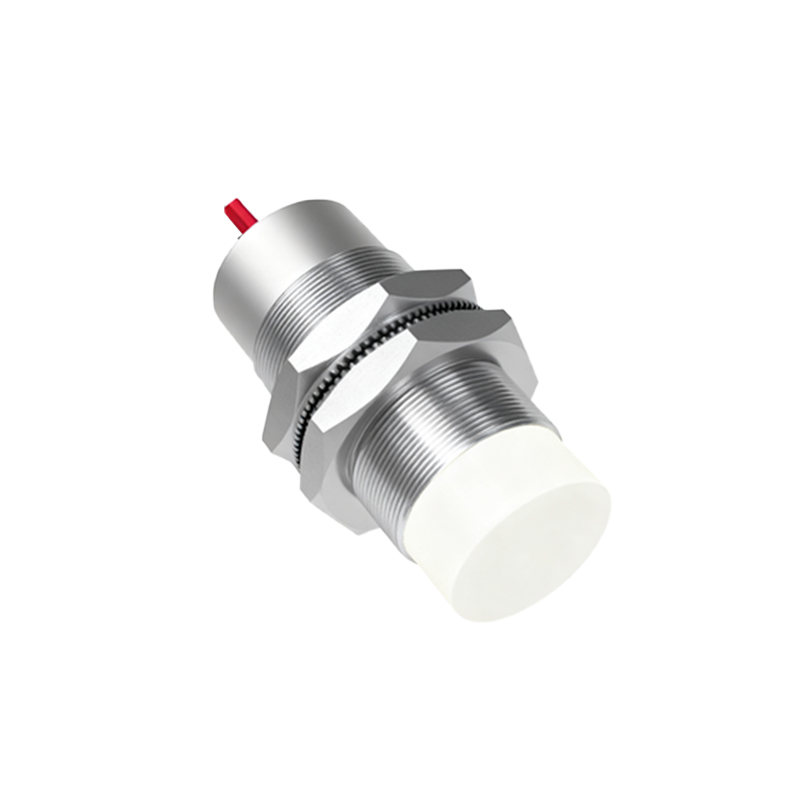
The selection of a proximity sensor depends on various factors, including the target material, required sensing distance, environmental conditions, and response speed. For instance, in a manufacturing plant with metallic components, inductive sensors might be preferred for their robustness and immunity to non-metallic interference. In contrast, a food processing facility might opt for capacitive sensors to detect plastic containers or liquid levels. Engineers must also consider output types (e.g., digital or analog), housing materials, and connectivity options to ensure seamless integration into control systems like PLCs (Programmable Logic Controllers).
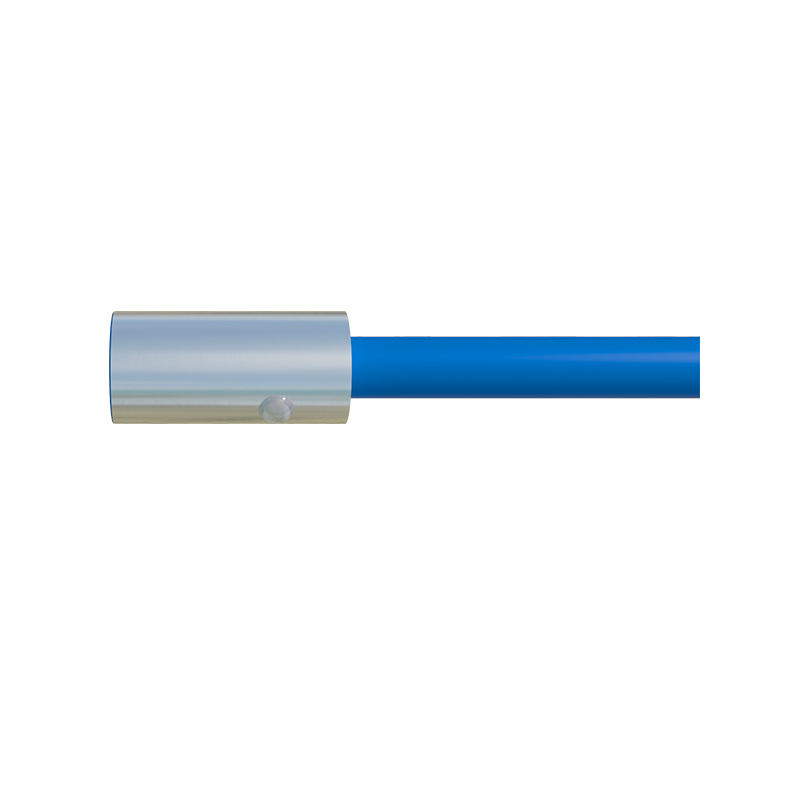
Applications of proximity sensors span across numerous industries. In automotive manufacturing, they are used for position sensing, part detection, and robotic guidance. In the packaging industry, sensors ensure precise filling and labeling. Aerospace and defense sectors employ them for safety monitoring and equipment alignment. Moreover, with the rise of Industry 4.0 and the Internet of Things (IoT), smart proximity sensors equipped with networking capabilities are becoming integral to predictive maintenance and real-time data analytics, enhancing operational efficiency.
Despite their reliability, proximity sensors face challenges such as interference from external electromagnetic fields, extreme temperatures, or contamination. Regular calibration and proper installation are essential to maintain accuracy. Future trends point toward miniaturization, increased sensing ranges, and enhanced intelligence through embedded diagnostics. As automation continues to evolve, proximity sensors will remain pivotal in enabling smarter, more responsive industrial systems, driving innovation in robotics, safety, and process control.