Electromagnetic proximity sensors have become indispensable components in modern industrial automation, offering non-contact detection capabilities that enhance operational efficiency and safety. These sensors operate based on the principle of electromagnetic induction, where an alternating magnetic field is generated by a coil within the sensor. When a metallic object enters this field, eddy currents are induced, causing a change in the sensor's oscillation amplitude or frequency. This change is detected and converted into an electrical signal, triggering an output response without physical contact. The absence of mechanical wear and tear ensures longevity, making them ideal for harsh environments where dust, moisture, or extreme temperatures are prevalent.
In manufacturing lines, electromagnetic proximity sensors are widely used for position detection, object counting, and speed monitoring. For instance, in automotive assembly, they precisely detect the presence of engine components on conveyor belts, ensuring accurate placement and reducing errors. Similarly, in packaging industries, these sensors monitor the movement of metallic containers, enabling automated sorting and filling processes. Their high switching frequency allows for rapid detection, which is critical in high-speed production environments. Additionally, the sensors' immunity to non-metallic materials minimizes false triggers, enhancing reliability.
Beyond traditional manufacturing, electromagnetic proximity sensors play a vital role in robotics and automated guided vehicles (AGVs). In robotic arms, they provide feedback on end-effector positioning, allowing for precise movements in tasks like welding or material handling. AGVs utilize these sensors for obstacle detection and navigation, preventing collisions in dynamic warehouse settings. The sensors' ability to detect ferrous and non-ferrous metals, albeit with varying sensing distances, adds versatility. For example, aluminum detection may require specialized models with higher sensitivity, but standard sensors suffice for steel or iron components.
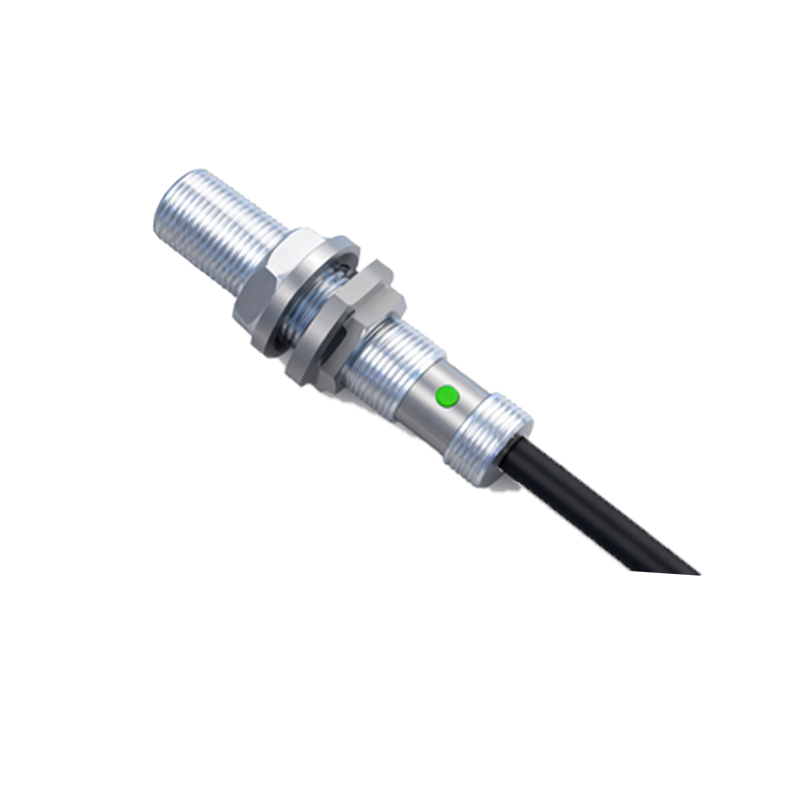
The integration of Industry 4.0 technologies has further expanded the applications of electromagnetic proximity sensors. With the advent of smart sensors equipped with IoT connectivity, real-time data on machine performance and predictive maintenance become achievable. These sensors can transmit diagnostic information, such as temperature fluctuations or signal degradation, to centralized control systems. This enables proactive maintenance, reducing downtime and operational costs. In hazardous areas, intrinsically safe designs prevent ignition risks, complying with stringent safety standards like ATEX or IECEx.
Recent advancements focus on miniaturization and enhanced performance. Compact sensors with embedded microprocessors offer programmable features, such as adjustable sensing ranges and output delays, catering to customized applications. Energy-efficient models contribute to sustainable operations by lowering power consumption. Moreover, the development of hybrid sensors combining electromagnetic and capacitive technologies allows for detecting both metallic and non-metallic objects, broadening utility in diverse sectors like food processing or pharmaceuticals.
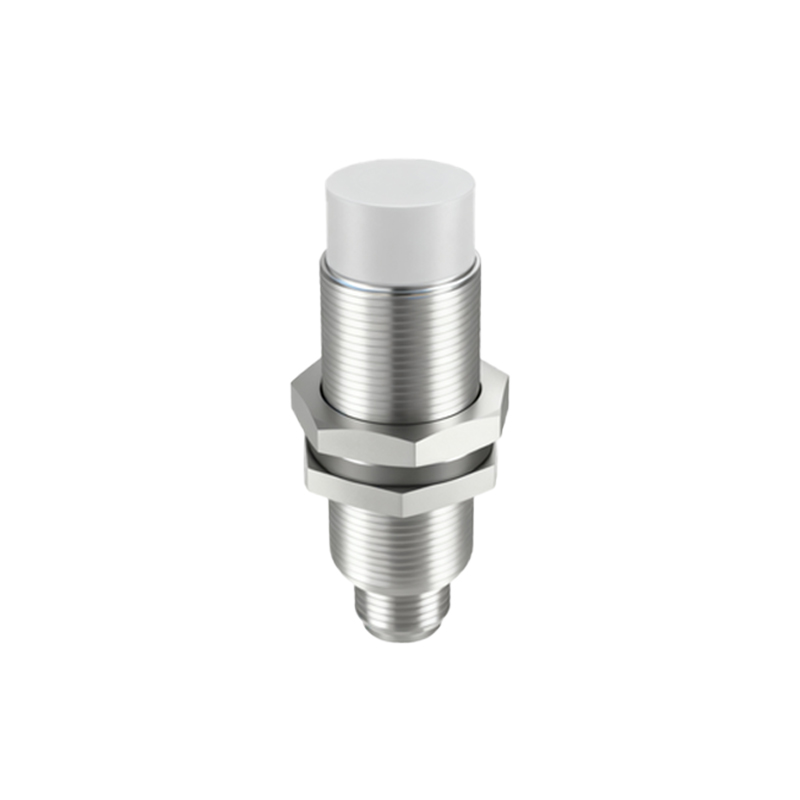
Despite their advantages, challenges persist, including interference from external electromagnetic fields and limitations in detecting non-metallic materials. However, ongoing research into noise reduction algorithms and material-specific designs aims to mitigate these issues. As industries increasingly adopt automation, the demand for reliable and adaptive sensing solutions will continue to drive innovation in electromagnetic proximity sensors.
In summary, electromagnetic proximity sensors are cornerstone elements in industrial automation, offering durability, precision, and adaptability. From assembly lines to smart factories, their applications underscore a commitment to efficiency and safety. As technology evolves, these sensors will likely incorporate AI-driven analytics and wireless capabilities, further transforming industrial landscapes. Engineers and stakeholders should stay informed about emerging trends to leverage their full potential in optimizing operational workflows.