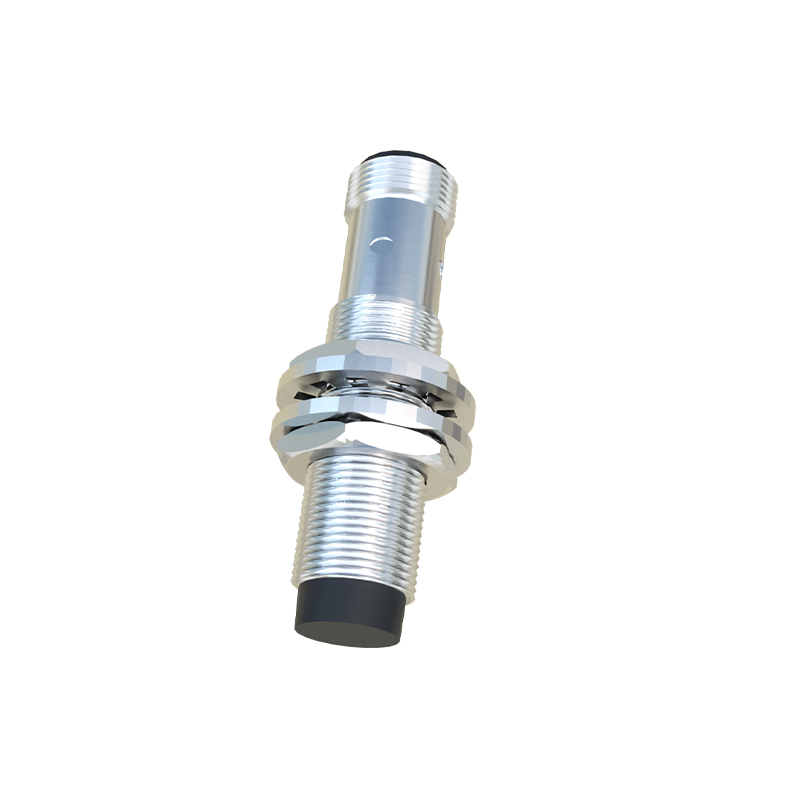
In the intricate world of industrial automation, the seamless and reliable operation of machinery hinges on a multitude of sensing technologies. Among these, the standard proximity sensor stands as a fundamental, yet profoundly critical, component. Its primary function is to detect the presence or absence of an object within a specified range without any physical contact. This non-contact detection capability is the cornerstone of its widespread application and enduring value in manufacturing, packaging, material handling, and countless other sectors.
The operational principle of a standard inductive proximity sensor, one of the most common types, is based on electromagnetic induction. The sensor generates an oscillating electromagnetic field from its active face. When a metallic target enters this field, eddy currents are induced within the target, causing a change in the oscillation amplitude. This change is detected by the sensor's internal circuitry, which subsequently triggers a solid-state output switch. Similarly, capacitive proximity sensors can detect both metallic and non-metallic objects by sensing changes in capacitance, while photoelectric sensors use light beams. The "standard" designation typically refers to widely adopted form factors, output configurations (like NPN/PNP), sensing ranges, and connection methods (e.g., M12 connectors), ensuring interoperability and ease of replacement.
The importance of standardization in proximity sensors cannot be overstated. It guarantees consistency, reliability, and interchangeability across different manufacturers and machine platforms. An engineer designing a new assembly line can specify a standard M12, 8mm diameter, inductive sensor with a 2mm sensing range and a PNP normally-open output, confident that products from multiple reputable vendors will meet this specification. This drastically simplifies procurement, inventory management, and maintenance. Technicians do not need to wrestle with proprietary or unique fittings; a failed sensor can be swiftly swapped out with a standard unit, minimizing costly machine downtime. This plug-and-play philosophy, enabled by standards, is vital for maintaining high Overall Equipment Effectiveness (OEE).
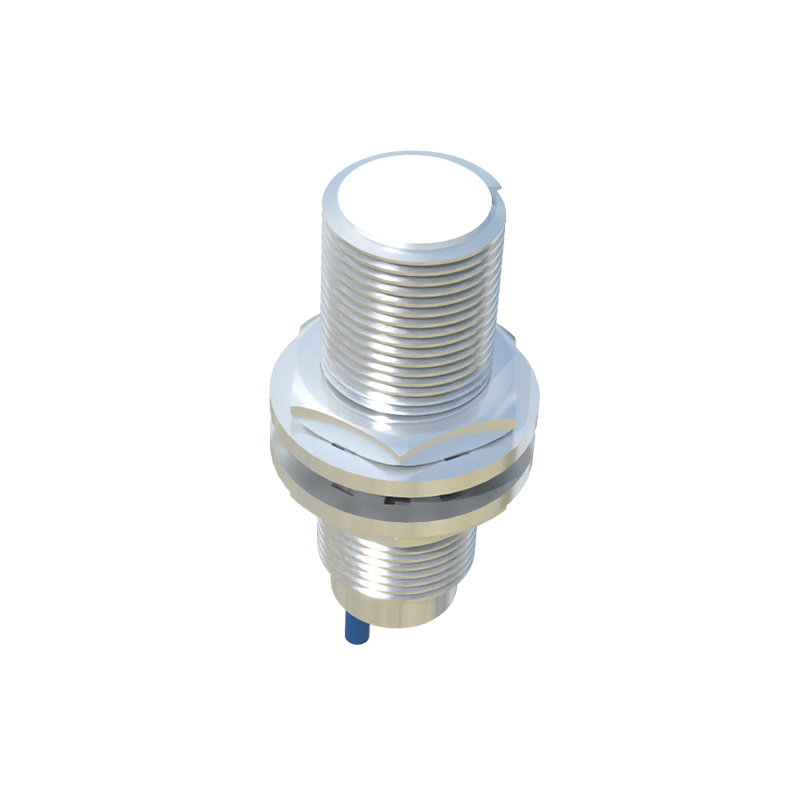
The core functions and benefits of these sensors are multifaceted. Firstly, they enable precise positioning and sequencing. For instance, on a conveyor line, a sensor can confirm a part has reached the correct location before a robotic arm engages in a pick-and-place operation. Secondly, they provide critical safety and interlocking. A sensor can verify that a safety guard is closed or a tool is retracted before a press cycle initiates, protecting both equipment and personnel. Thirdly, they are essential for counting and object detection, tracking production quantities or ensuring a bottle is present before filling. Their non-contact nature means no wear and tear from mechanical interaction, leading to exceptionally long service life and reduced maintenance. They are also largely immune to environmental factors like dust, oil, and moisture when properly rated (e.g., IP67), ensuring stable performance in harsh industrial settings.
Furthermore, the evolution of standard proximity sensors continues to meet new challenges. Modern variants offer enhanced features like increased sensing distances, improved noise immunity, and IO-Link digital communication capabilities. IO-Link, while maintaining standard physical connections, transforms a simple sensor into an intelligent device capable of transmitting detailed diagnostic data (like operating hours, temperature, or signal strength) to a control system, enabling predictive maintenance strategies.
In conclusion, the standard proximity sensor is far more than a simple switch. It is an indispensable enabler of automation, efficiency, and safety. Its standardized design provides the robust, reliable, and interchangeable foundation upon which complex industrial systems are built. By delivering consistent, contactless detection, these sensors form the sensory nervous system of modern manufacturing, quietly ensuring that processes run smoothly, products are made correctly, and machines are kept safe. Their continued development and adherence to global standards will remain pivotal as industries advance towards increasingly connected and intelligent production environments.