In the realm of industrial automation, the selection between limit switches and proximity sensors is a critical decision that impacts system reliability, cost, and maintenance. While proximity sensors, known for their non-contact operation and high-speed detection capabilities, have gained popularity in modern setups, there are compelling scenarios where traditional limit switches offer a superior alternative. This article delves into the technical and practical considerations for replacing proximity sensors with limit switches, providing insights for engineers seeking robust solutions.
Limit switches, or travel switches, are electromechanical devices that detect the presence or absence of an object through physical contact. They operate by actuating a lever, roller, or plunger mechanism, which triggers an electrical circuit. In contrast, proximity sensors function without direct contact, using electromagnetic fields, infrared light, or ultrasonic waves to sense objects. The choice between these technologies often hinges on environmental factors, operational demands, and economic constraints.
One primary advantage of limit switches is their resilience in harsh conditions. In environments with high levels of dust, moisture, or vibration—common in manufacturing plants or heavy machinery—proximity sensors may suffer from false triggers or signal degradation due to interference. Limit switches, with their simple mechanical design, are less susceptible to such issues. For instance, in steel mills or mining operations, where metallic debris and extreme temperatures prevail, a well-sealed limit switch can outperform a sensitive proximity sensor, ensuring consistent operation and reducing downtime.
Cost-effectiveness is another key driver for replacement. Proximity sensors, especially those with advanced features like analog outputs or long-range detection, tend to be more expensive upfront. Limit switches, on the other hand, are generally affordable and have lower lifecycle costs. Their mechanical nature means fewer electronic components that can fail, leading to reduced maintenance expenses. For budget-conscious projects or legacy systems undergoing upgrades, swapping out faulty proximity sensors with durable limit switches can yield significant savings without compromising functionality.
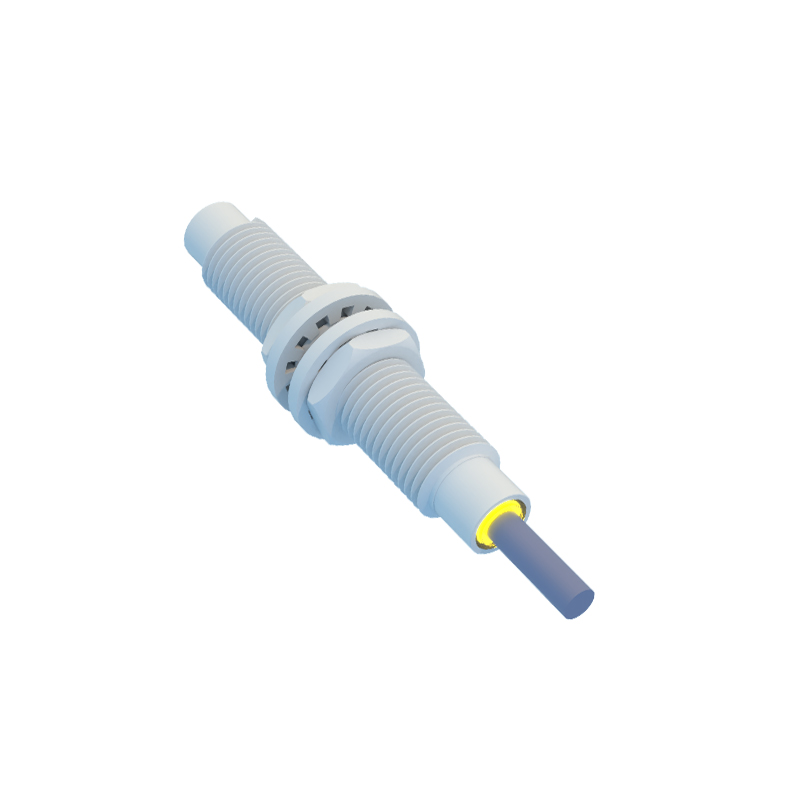
Installation and integration also favor limit switches in certain applications. Proximity sensors require precise alignment and calibration to detect targets accurately, which can be time-consuming. Limit switches, with their straightforward mounting and adjustable actuators, offer flexibility in setup. In conveyor systems or robotic arms, where physical stops are already in place, integrating a limit switch is often simpler. Engineers can leverage existing mechanical structures, minimizing modifications and speeding up deployment.
However, the replacement process requires careful planning. Engineers must assess the operational parameters, such as switching frequency, response time, and load capacity. Limit switches typically have slower response times compared to proximity sensors, making them unsuitable for high-speed applications like packaging lines with rapid cycle times. Additionally, mechanical wear is a consideration; the moving parts in limit switches can degrade over time, necessitating periodic inspection and replacement. To mitigate this, selecting high-quality switches with robust contacts and protective housings is essential.
In practice, a successful replacement involves evaluating the specific use case. For example, in a material handling system where objects are large and move at moderate speeds, limit switches can provide reliable position feedback. Testing under real-world conditions is crucial to ensure compatibility. Engineers should also consider safety implications—limit switches often include failsafe features, such as positive break contacts, which enhance system security in emergency stop scenarios.
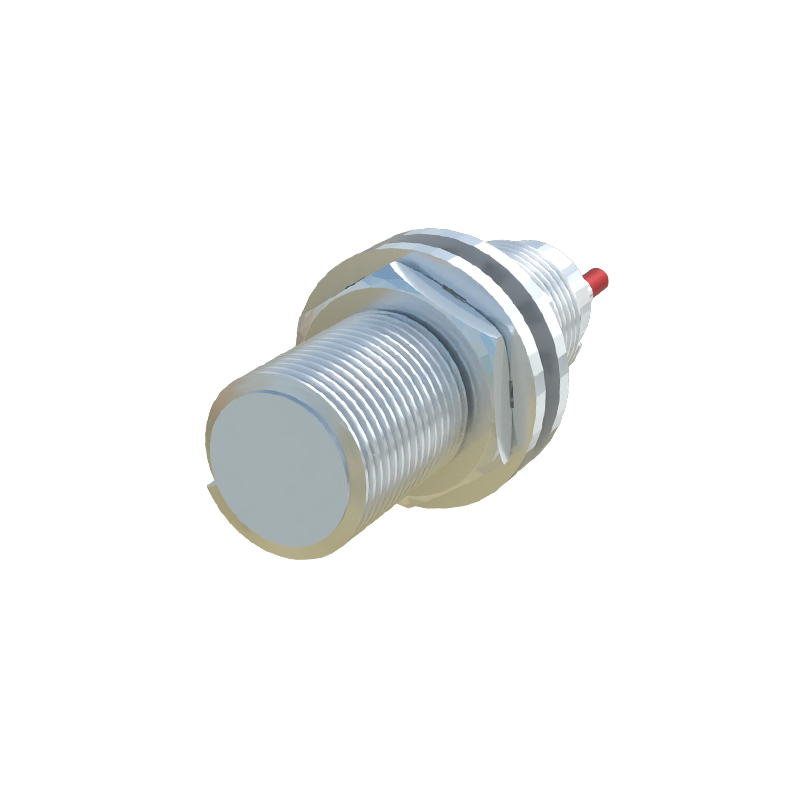
Ultimately, the decision to replace proximity sensors with limit switches should be driven by a holistic analysis of performance, environment, and cost. While proximity sensors excel in precision and speed, limit switches offer durability and simplicity. By understanding these trade-offs, electrical engineers can optimize industrial systems for long-term efficiency and reliability, embracing traditional technology where it delivers tangible benefits.