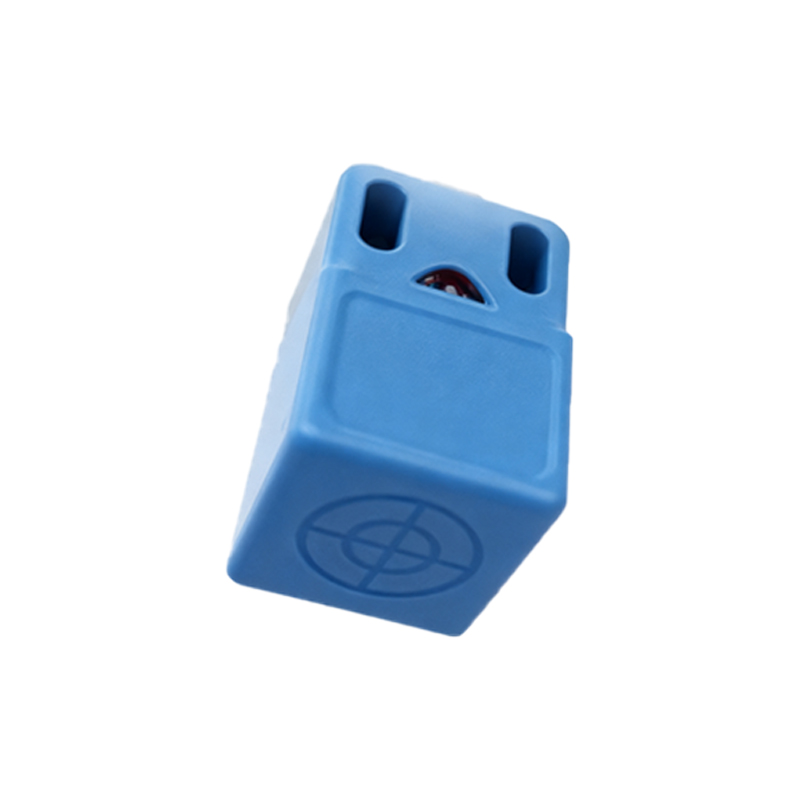
In the realm of modern electronics, ambient light sensors (ALS) and proximity sensors are integral components that enhance user experience by enabling adaptive display brightness and touchless interactions. A common question that arises among engineers and enthusiasts is whether these sensors operate using infrared (IR) technology. This article delves into the technical workings of both sensor types, clarifying their relationship with infrared light and addressing misconceptions in the industry.
Ambient light sensors are designed to measure the intensity of visible light in an environment, typically to adjust screen brightness automatically. They primarily detect wavelengths within the visible spectrum, ranging from about 400 to 700 nanometers (nm). Most ALS devices use photodiodes that are sensitive to this range, ensuring accurate readings of ambient illumination without interference from non-visible light. However, some advanced ALS models may incorporate infrared filtering to exclude IR radiation, which can skew measurements since natural and artificial light sources often emit IR. Thus, while ALS sensors are not inherently infrared-based, they may interact with IR as part of their design to improve precision. In practice, standard ALS units do not emit IR; instead, they passively receive light, making them distinct from active IR sensors.
Proximity sensors, on the other hand, frequently utilize infrared technology, especially in applications like smartphones and industrial automation. These sensors determine the presence or distance of nearby objects without physical contact. A typical IR-based proximity sensor consists of an IR emitter (usually an LED) that sends out infrared light, often at wavelengths around 850 nm or 940 nm, which is invisible to the human eye. An IR detector then captures the reflected light from objects. By analyzing the time or intensity of the reflection, the sensor calculates proximity. This active IR method is efficient and reliable, making it a popular choice for devices where battery life and accuracy are critical. It is worth noting that not all proximity sensors rely on IR; alternatives include ultrasonic, capacitive, and laser-based systems, but IR remains prevalent due to its cost-effectiveness and performance in varied conditions.
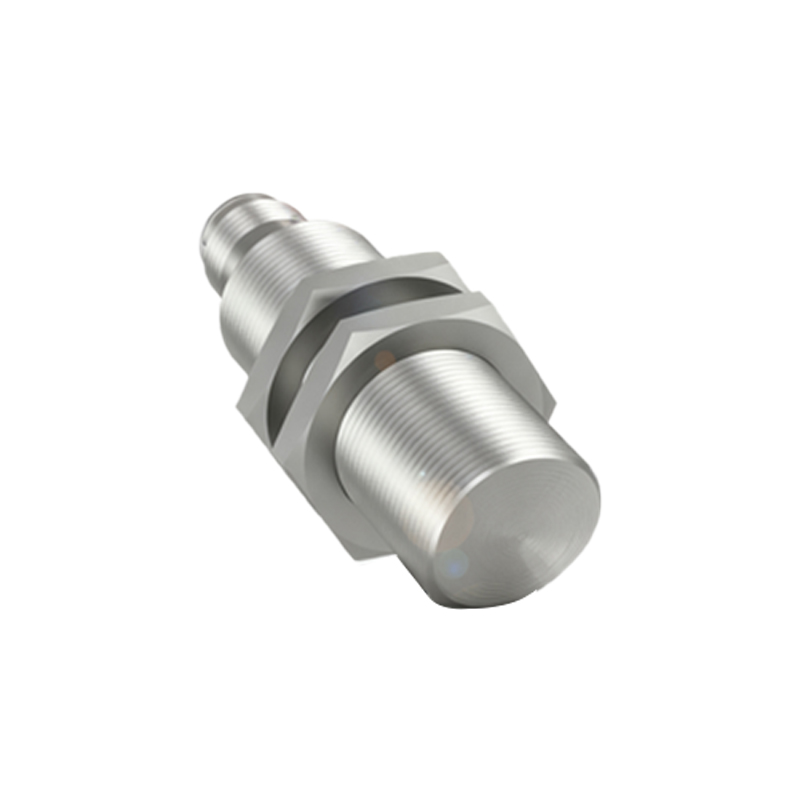
The confusion between ambient light and proximity sensors often stems from their integration in compact modules, such as those found in mobile devices. Many manufacturers combine ALS and proximity sensors into a single package to save space and reduce power consumption. In these integrated units, the proximity function commonly employs IR, while the ALS component focuses on visible light. This coexistence can lead to the assumption that both are infrared-based, but in reality, they serve distinct purposes with different optical mechanisms. Engineers must consider this when designing systems to avoid cross-talk or interference, ensuring each sensor operates optimally within its designated spectrum.
From an industry perspective, understanding the spectral characteristics of these sensors is crucial for compliance and performance. For instance, in medical or automotive applications, unintended IR emission might interfere with other equipment, so selecting sensors with appropriate wavelength ranges is essential. Additionally, environmental factors like sunlight or artificial lighting can affect sensor accuracy, as IR content in ambient light may impact both ALS and proximity readings. Best practices include using sensors with built-in IR filters for ALS and calibrating proximity sensors to account for reflective surfaces. As technology evolves, newer sensors are incorporating multispectral capabilities, blending visible and IR detection for enhanced functionality, but the fundamental distinction remains: ALS sensors measure ambient light (primarily visible), while proximity sensors often use active IR for detection.
In summary, ambient light sensors are not infrared sensors by default; they target the visible spectrum and may include IR filtering to improve accuracy. Proximity sensors, however, commonly leverage infrared technology for object detection, though non-IR options exist. The key takeaway is that while IR plays a role in many proximity applications, it is not a defining feature of ambient light sensors. Engineers and designers should evaluate sensor specifications carefully, considering factors like wavelength, power consumption, and environmental integration to achieve desired outcomes in electronic systems. As innovation continues, the lines between sensor types may blur, but a clear grasp of their underlying principles will remain vital for effective implementation in the ever-advancing electrical industry.