In the realm of electrical engineering, sensors play a pivotal role in enabling automation, precision control, and smart system functionality. Among these, proximity and light focus sensors are critical components widely utilized across various industries, from manufacturing and robotics to consumer electronics and automotive applications. This article delves into the types, working principles, and applications of these sensors, providing a comprehensive overview for professionals and enthusiasts alike.
Proximity sensors are devices designed to detect the presence or absence of an object within a specific range without physical contact. They operate based on different principles, including inductive, capacitive, ultrasonic, and optical methods. Inductive proximity sensors, for instance, are ideal for detecting metallic objects by generating an electromagnetic field. When a metal object enters this field, it induces eddy currents, causing a change in the sensor's oscillation amplitude, which triggers a detection signal. These sensors are commonly used in industrial automation for tasks like position sensing, conveyor belt monitoring, and machine safety systems.
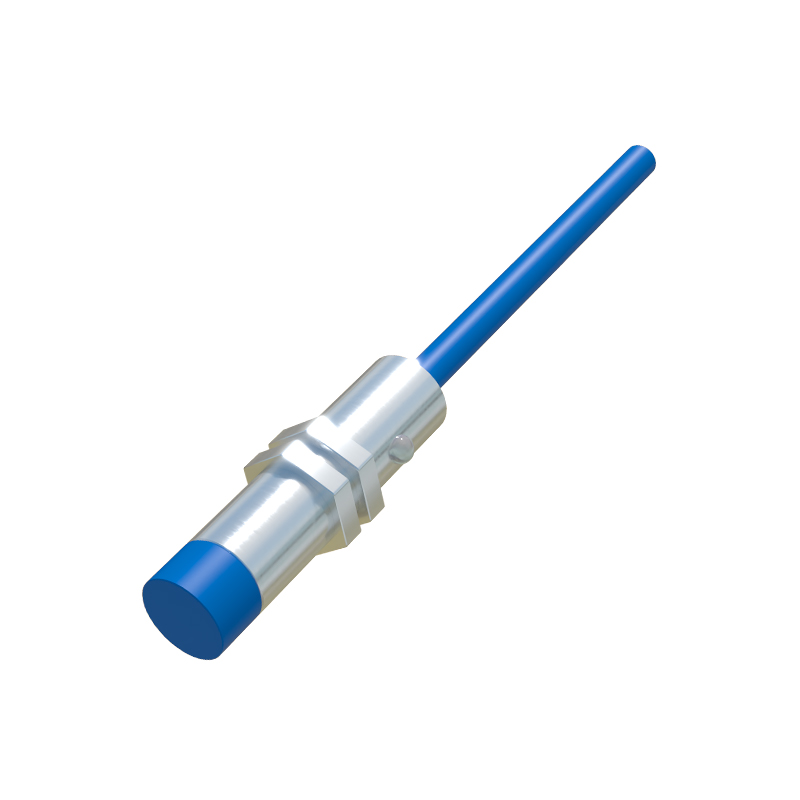
Capacitive proximity sensors, on the other hand, can detect both metallic and non-metallic materials, such as plastics, liquids, or powders. They work by measuring changes in capacitance when an object enters the sensor's electrostatic field. This versatility makes them suitable for applications like level detection in tanks, material handling, and touch-sensitive interfaces. Ultrasonic proximity sensors use sound waves to determine the distance to an object, emitting high-frequency pulses and calculating the time taken for echoes to return. They are effective in harsh environments where dust, moisture, or varying light conditions might interfere with other sensor types, often employed in parking assistance systems, robotics navigation, and liquid level monitoring.
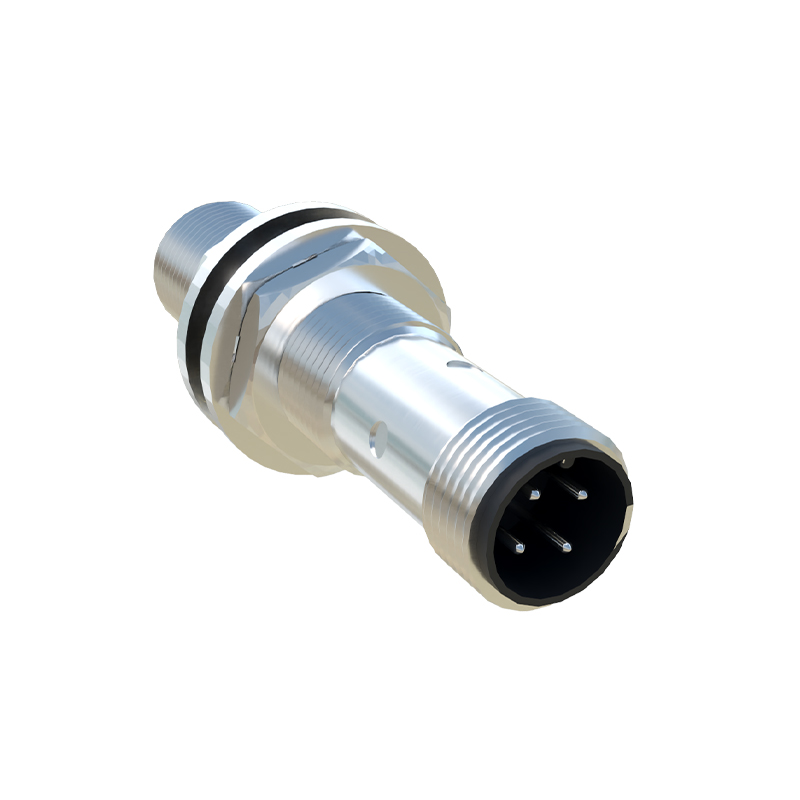
Optical proximity sensors, which include infrared (IR) and laser-based variants, rely on light beams to detect objects. They consist of a light emitter and a receiver; when an object interrupts the light path, the sensor registers its presence. These sensors offer high accuracy and fast response times, making them popular in applications like object counting, assembly line automation, and safety barriers. In recent years, advancements in miniaturization and integration have led to the development of combined sensors that incorporate both proximity and ambient light sensing capabilities, particularly in smartphones and wearable devices for features like screen dimming or gesture recognition.
Light focus sensors, often referred to as autofocus sensors in imaging systems, are specialized devices that adjust the focus of optical systems by measuring distance or light intensity. They are essential in cameras, microscopes, and medical equipment where precise focusing is crucial. Common types include phase-detection autofocus (PDAF) and contrast-detection autofocus (CDAF). PDAF sensors split incoming light into pairs of images, comparing their phase differences to determine focus adjustments quickly, making them favored in high-speed photography and video recording. CDAF sensors, meanwhile, analyze contrast levels in the image, adjusting the lens until maximum contrast is achieved, which provides accuracy but can be slower, often used in compact cameras and smartphones.
In industrial contexts, light focus sensors are integrated into machine vision systems for quality control, inspection, and measurement tasks. For example, in semiconductor manufacturing, these sensors ensure precise alignment of components, while in automotive assembly, they verify part dimensions and surface defects. The integration of proximity and light focus sensors with Internet of Things (IoT) platforms has further expanded their utility, enabling real-time data analytics and predictive maintenance in smart factories.
When selecting proximity or light focus sensors, engineers must consider factors such as detection range, environmental conditions, response time, and power consumption. For instance, in outdoor applications, sensors with robust housings and immunity to sunlight interference are preferred, while in medical devices, miniaturized and low-power variants are critical. Emerging trends include the use of artificial intelligence (AI) to enhance sensor accuracy and the development of energy-harvesting sensors for sustainable operations.
In summary, proximity and light focus sensors are indispensable tools in modern electrical engineering, driving innovation across diverse sectors. Their continuous evolution promises even greater efficiency and adaptability in the years to come, supporting the growth of automated and intelligent systems worldwide.