In the realm of industrial automation and precision engineering, spindle proximity sensors have emerged as critical components for ensuring operational accuracy, safety, and efficiency. These sensors are specifically designed to monitor the position and movement of machine tool spindles, which are central to machining processes such as milling, drilling, and grinding. By providing real-time feedback on spindle proximity to other components or workpieces, they help prevent collisions, reduce downtime, and maintain tight tolerances in manufacturing.
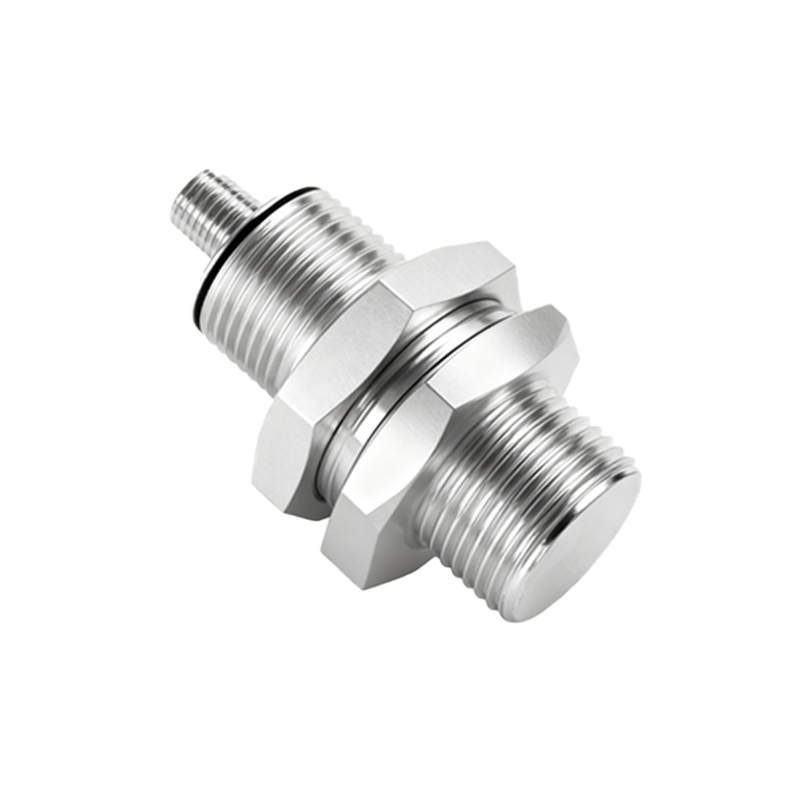
Spindle proximity sensors operate on non-contact principles, typically using inductive, capacitive, or magnetic technologies to detect the presence or absence of metallic objects within a defined range. Inductive sensors, for instance, generate an electromagnetic field that reacts to ferrous materials, making them ideal for detecting spindle positions in metalworking machinery. Capacitive sensors, on the other hand, can sense both metallic and non-metallic objects by measuring changes in capacitance, offering versatility in diverse industrial settings. Magnetic sensors utilize Hall effect or magnetoresistive elements to detect magnetic fields, often applied in high-speed or harsh environments where reliability is paramount.
The integration of spindle proximity sensors into CNC (Computer Numerical Control) machines has revolutionized modern manufacturing. They enable precise tool positioning, automatic tool changing, and adaptive control systems that adjust machining parameters based on real-time data. For example, in a milling machine, these sensors can detect when a spindle is approaching a workpiece or a tool holder, triggering adjustments to speed, feed rate, or direction to avoid errors. This not only enhances product quality but also extends the lifespan of machinery by minimizing wear and tear from accidental impacts.
Safety is another paramount benefit of spindle proximity sensors. In high-speed operations, even minor misalignments can lead to catastrophic failures, endangering operators and causing costly damage. By installing sensors at strategic points along the spindle path, manufacturers can implement fail-safe mechanisms that halt operations if an unsafe condition is detected. This proactive approach aligns with global industrial safety standards, such as ISO 13849, which emphasize risk reduction through reliable sensing technologies.
Moreover, the advent of Industry 4.0 has amplified the importance of spindle proximity sensors in smart factories. These sensors are often integrated with IoT (Internet of Things) platforms, allowing for continuous monitoring and data analytics. Through wireless connectivity, they transmit information on spindle performance, such as vibration levels, temperature, and positional accuracy, to centralized control systems. This data-driven insight enables predictive maintenance, where potential issues are identified before they escalate, thereby optimizing production schedules and reducing unplanned outages.
When selecting spindle proximity sensors, engineers must consider factors like sensing range, response time, environmental resilience, and compatibility with existing machinery. For instance, in applications involving coolants, oils, or metal chips, sensors with high IP (Ingress Protection) ratings are essential to withstand contamination. Similarly, in high-temperature environments, such as those found in aerospace or automotive manufacturing, sensors with robust thermal stability ensure consistent performance. Leading manufacturers, including Siemens, Omron, and Pepperl+Fuchs, offer specialized models tailored to these demanding conditions.
In conclusion, spindle proximity sensors are indispensable tools in advancing industrial precision and safety. Their ability to provide accurate, non-contact detection supports the seamless operation of complex machinery, from CNC lathes to robotic arms. As technology evolves, we can expect further innovations in sensor miniaturization, sensitivity, and connectivity, driving even greater efficiencies in manufacturing. For businesses seeking to enhance their competitive edge, investing in high-quality spindle proximity sensors is not just an option—it's a strategic imperative for achieving excellence in the modern industrial landscape.