In the rapidly evolving landscape of industrial automation, the demand for compact, reliable, and high-performance sensing solutions is at an all-time high. Small proximity sensors, known for their non-contact detection capabilities, play a pivotal role in enhancing efficiency, safety, and precision across countless applications—from intricate assembly lines and robotic guidance to packaging machinery and material handling. These sensors detect the presence or absence of metallic or non-metallic objects without physical contact, thereby minimizing wear and tear and ensuring long-term operational stability. As space constraints become more critical in modern machinery design, the selection of the right small proximity sensor becomes paramount. This article presents a curated ranking of the top five small proximity sensors currently dominating the market, based on key performance metrics such as sensing range, response time, environmental durability, form factor, and integration flexibility.
Leading our 2024 ranking is the Omron E2E Miniature Proximity Sensor Series. Renowned for its exceptional durability and precision, this series features an ultra-compact cylindrical design, making it ideal for space-limited installations. With a sensing range extending up to 5mm for standard models and robust construction offering IP67 environmental protection, it excels in harsh industrial environments. Its high-speed response and stable detection of various metals, including aluminum, make it a versatile choice for high-cycle automation tasks. The consistent performance and reliability offered by Omron have solidified its position as an industry benchmark.
Securing the second spot is the Sick W4-3 Miniature Photoelectric Sensor. While technically a photoelectric sensor often used for proximity detection, its incredibly small housing (12mm x 30mm x 12mm) warrants its inclusion. It offers precise detection of objects regardless of material, color, or surface properties using a focused, modulated infrared light beam. Its background suppression technology allows for reliable detection at precise distances, ignoring objects beyond the set range. This sensor is perfect for applications requiring minute object detection or positioning in electronics manufacturing and pharmaceutical packaging.
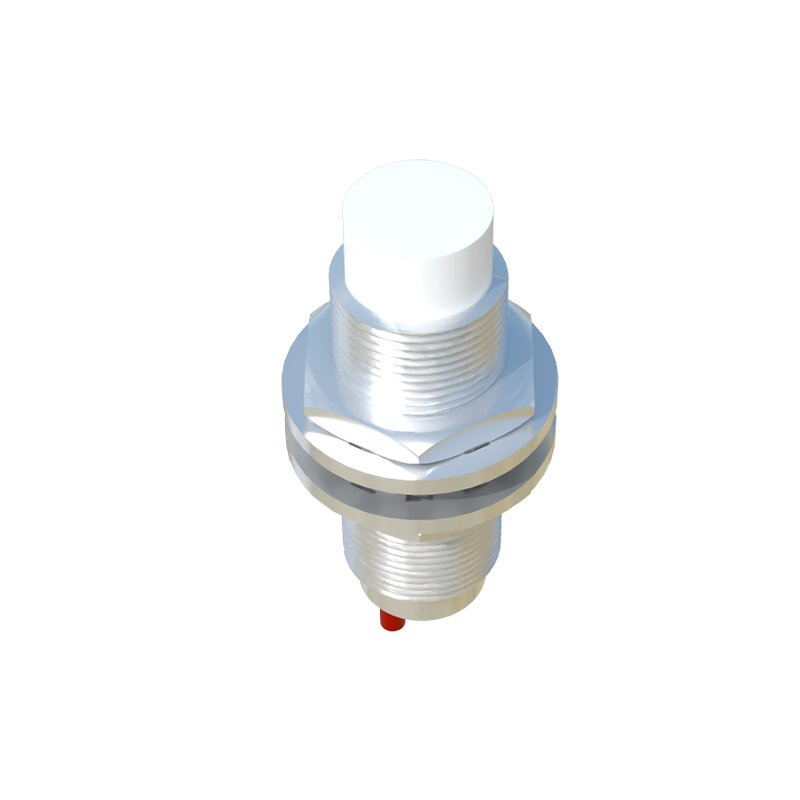
In third place, we find the Pepperl+Fuchs UC500-F77 Ultrasonic Sensor. This sensor stands out for its ability to detect a vast array of materials—solids, liquids, granular substances—with remarkable consistency, unaffected by color, transparency, or surface texture. Its miniature rectangular housing houses powerful ultrasonic technology capable of measuring distances and detecting objects up to 500mm away. The analog output and teach-in functionality provide immense flexibility for level monitoring, loop control, and collision avoidance in compact robotic cells.
The Balluff BES Miniature Inductive Sensor series ranks fourth, celebrated for its ruggedness and application-specific variants. Available in both cylindrical and rectangular formats with flush or non-flush mounting options, these sensors provide reliable detection of ferrous and non-ferrous metals. Key features include exceptional resistance to welding fields, high temperatures, and cutting fluids, making them indispensable in machine tool and automotive welding applications. Their robust metal housings and advanced diagnostics via IO-Link communication exemplify modern smart sensor capabilities in a tiny package.
Rounding out the top five is the ifm Electronic IY Miniature Cylindrical Sensor. This sensor series impresses with its cost-effectiveness without compromising on core performance. It offers a standard sensing range suitable for most general-purpose applications and features high electromagnetic compatibility (EMC) and protection ratings up to IP69K, allowing it to withstand high-pressure washdowns in food and beverage industries. Its simplicity, durability, and ease of installation make it a go-to solution for OEMs and system integrators looking for reliable proximity detection on a budget.
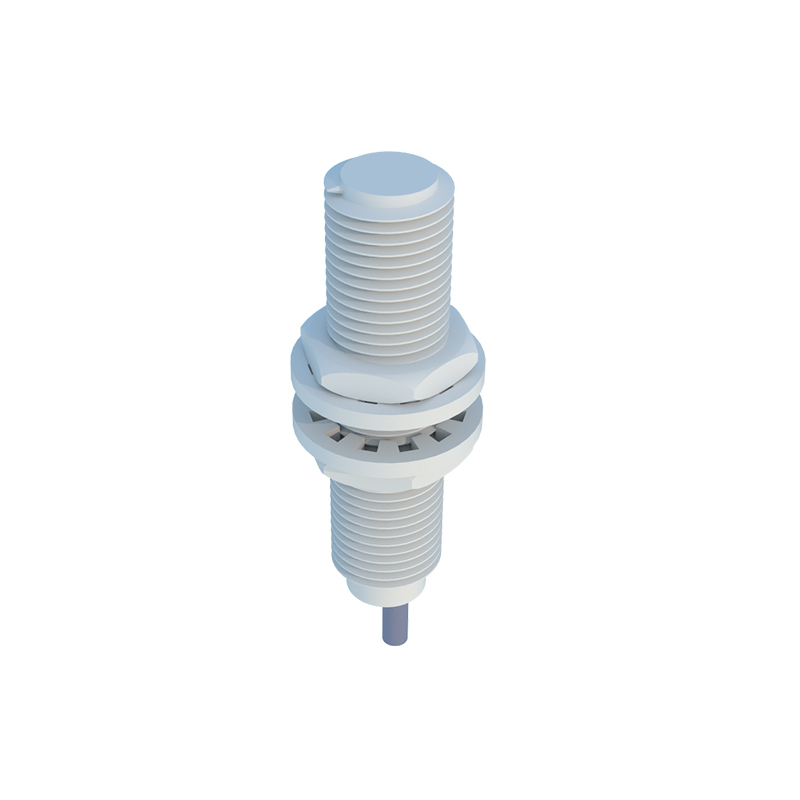
When selecting a small proximity sensor, engineers must consider the specific application requirements: the target material, required sensing distance, environmental conditions (temperature, contaminants, washdown needs), available space, and output type (PNP/NPN, analog, IO-Link). The sensors listed above represent the pinnacle of current technology, each excelling in different niches. Investing in the right sensor not only ensures seamless automation but also reduces maintenance costs and downtime, driving productivity and innovation forward in the smart factory era.