In the realm of industrial automation, photoelectric proximity sensors are indispensable components for non-contact detection, object counting, and positioning. When sourcing these devices, understanding the factors that influence their price is crucial for making informed procurement decisions. The quoted price for a photoelectric proximity sensor is rarely a simple figure; it is a composite reflection of its technological sophistication, performance specifications, and application suitability.
At the core of the pricing structure lies the sensing technology itself. The three primary types—through-beam, retro-reflective, and diffuse-reflective—carry different cost implications. Through-beam sensors, consisting of separate emitter and receiver units, often command a higher initial price due to the need for two components and their superior long-range and reliable performance in harsh environments. Diffuse-reflective sensors, with the emitter and receiver housed in a single unit, are generally more cost-effective for shorter ranges but their price can increase with added features like background suppression or foreground suppression, which enhance accuracy by ignoring distant or close interfering objects.
Performance specifications are direct price drivers. Sensing range is a primary factor; a sensor rated for 15 meters will inherently cost more than one rated for 2 meters. The size of the sensing spot and the minimum detectable object size also play roles, with more precise, smaller-spot sensors carrying a premium. Response time is another critical parameter. High-speed sensors capable of microsecond-level responses, essential for high-throughput packaging or assembly lines, are priced higher than standard models. Furthermore, environmental ratings, particularly the Ingress Protection (IP) rating and NEMA classifications, significantly impact cost. A sensor with an IP67 or IP69K rating, ensuring protection against dust and high-pressure water jets, involves more robust housing and sealing, thus increasing manufacturing costs compared to a basic IP65 model.
The choice of light source—typically infrared, red visible LED, or laser—affects both performance and price. Standard infrared sensors are the most common and economical. Red light sensors offer easier alignment and a visible beam, often at a moderate price increase. Laser-based sensors provide extremely precise, small-spot detection over longer ranges and represent the high-end of the price spectrum due to the cost of the laser diode and associated optics.
Electrical characteristics and output configurations add another layer to the cost. Standard models may offer a simple NPN or PNP transistor output. However, sensors with analog outputs (4-20mA, 0-10V) for distance measurement, or IO-Link capability for advanced diagnostics, parameter setting, and process data integration into Industry 4.0 frameworks, come at a higher price point. The operating voltage range also matters; a wide-range DC sensor (e.g., 10-30V DC) is typically more versatile and slightly more costly than a fixed-voltage model.
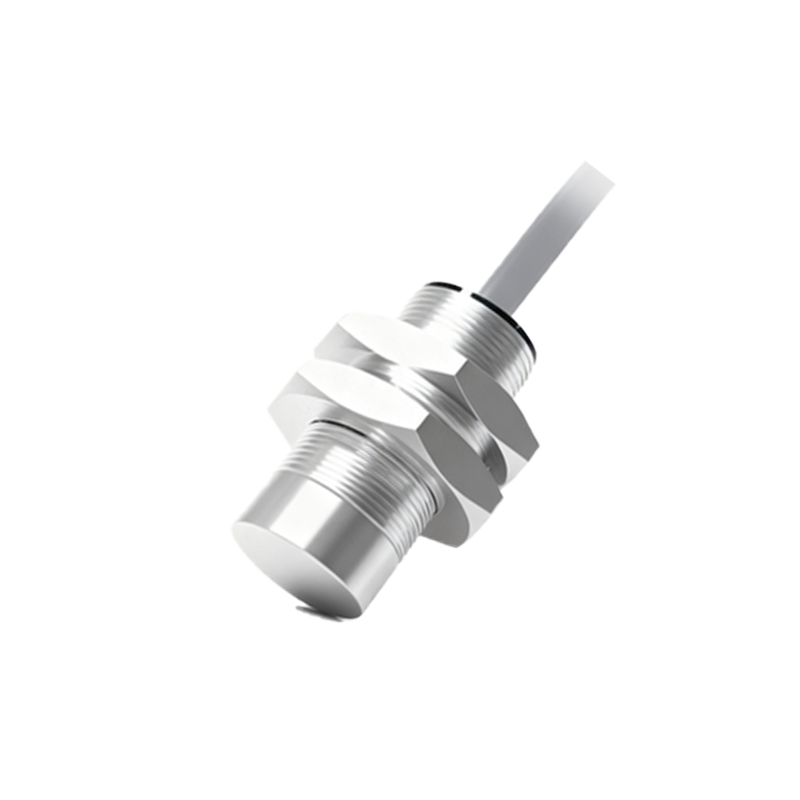
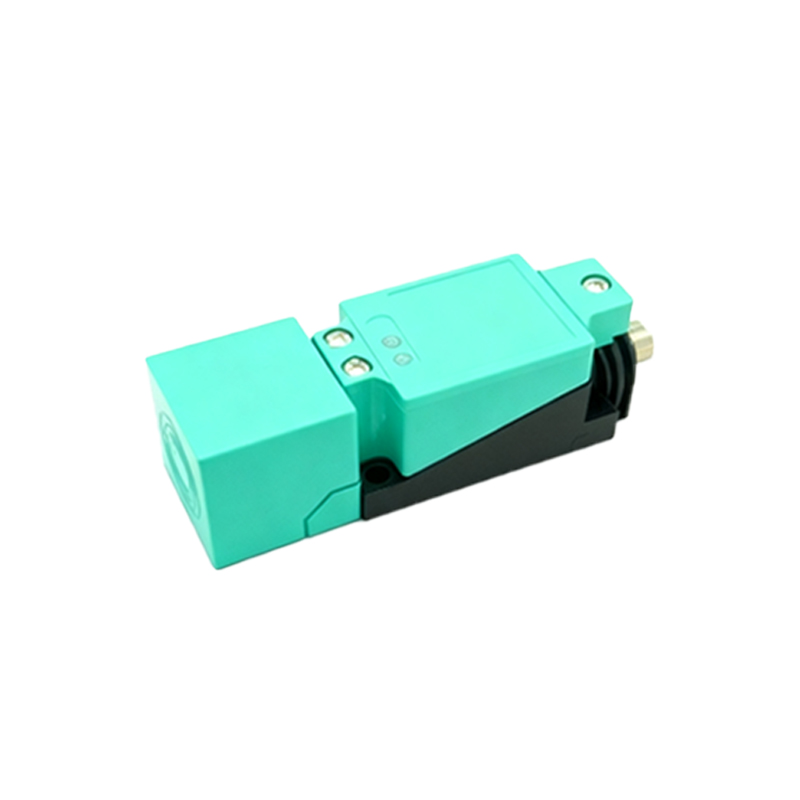
Build quality and housing material are tangible cost factors. Industrial-grade sensors with metal (stainless steel or brass) housings are more expensive than those with plastic (PBT or PVC) housings but offer superior durability in environments with physical impact, chemicals, or extreme temperatures. The mechanical design, including the presence of built-in connectors (M8, M12) versus fixed cables, also influences the final price, with quick-disconnect connectors adding convenience and cost.
Brand reputation, certification, and support services are intangible yet significant elements. Established brands with global distribution networks, extensive R&D, and proven reliability often price their products higher. Certifications from international bodies (e.g., UL, CE, ATEX for hazardous areas) involve testing and compliance costs, which are reflected in the price. Additionally, comprehensive technical support, long warranty periods, and guaranteed product lifecycle availability add value that justifies a premium.
Finally, purchase volume remains a universal economic factor. Unit prices for OEM bulk orders are substantially lower than for single-piece retail purchases. The total cost of ownership (TCO) should also be considered, factoring in installation time, maintenance needs, and potential downtime—a slightly more expensive, highly reliable sensor can offer a lower TCO than a cheaper, less robust alternative.
In conclusion, requesting a quote for a photoelectric proximity sensor necessitates a clear definition of the application requirements. By evaluating the needed sensing type, range, speed, environmental robustness, output type, and build quality, buyers can effectively interpret price variations and select the optimal sensor that balances performance, durability, and cost for their specific industrial automation challenge.