In the demanding landscape of industrial automation, particularly within sectors such as oil and gas, chemical processing, mining, and grain handling, the integrity of sensing technology is paramount. Environments laden with combustible gases, vapors, or dust require equipment that not only performs with precision but does so with an unwavering commitment to safety. This is where Chongzuo Explosion-Proof Magnetic Proximity Sensors distinguish themselves as a critical engineering solution. Designed to operate reliably in classified hazardous areas, these sensors embody a fusion of robust design, advanced magnetic sensing technology, and stringent safety certifications.
The core principle of a magnetic proximity sensor is non-contact detection using a magnetic field. A permanent magnet is typically embedded in the target, such as a cylinder piston or a valve actuator. The sensor itself contains a reed switch or a solid-state Hall-effect element. When the magnet approaches within a specified sensing range, it triggers a change in the sensor's internal electrical state, generating a clean, bounce-free output signal. This simple yet highly effective mechanism is ideal for detecting position, presence, or movement without physical wear, ensuring long-term reliability and maintenance-free operation.
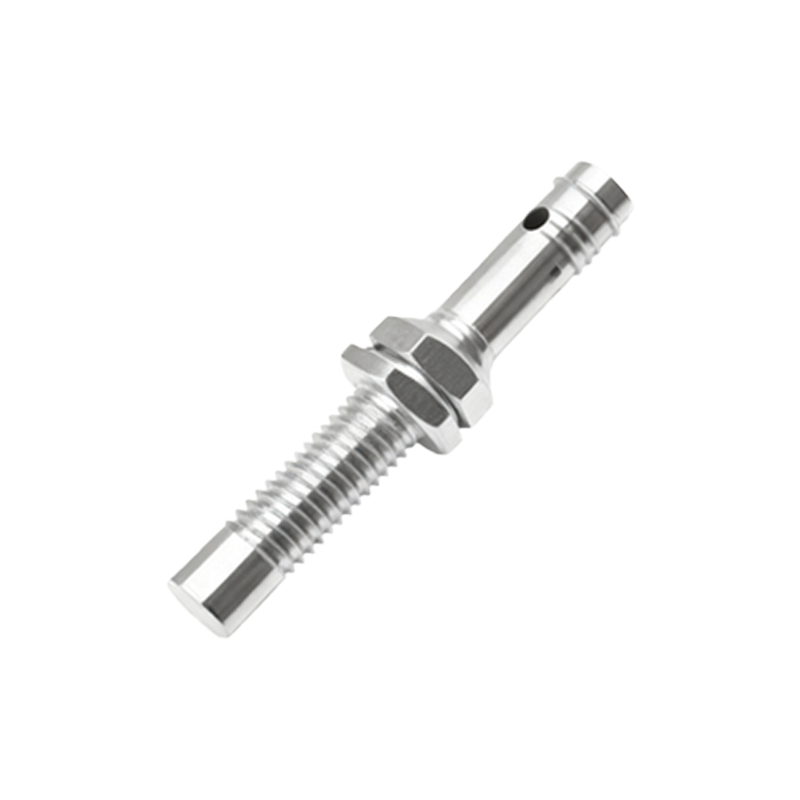
What elevates the Chongzuo series into the explosion-proof category is its specialized housing and construction. Explosion-proof enclosures are engineered to contain any potential ignition event—such as a spark from an electrical fault or excessive surface temperature—entirely within the device. These housings are typically constructed from high-grade stainless steel or rugged brass, featuring precisely machined flame paths at the joints. These paths are designed to cool any escaping hot gases below the ignition temperature of the surrounding atmosphere, thereby preventing an external explosion. This design philosophy adheres to international protection standards like ATEX, IECEx, and UL, often certified for use in Zones 1, 2, 21, and 22, where hazardous atmospheres are present during normal operation or occasionally.
Key engineering features of Chongzuo Explosion-Proof Magnetic Proximity Sensors include:
Wide Operating Temperature Range: Capable of functioning in extreme environmental conditions, from sub-zero cold to intense heat, without performance degradation.
High IP Ratings: Ingress Protection ratings such as IP67 or IP69K ensure complete resistance to dust ingress and high-pressure water jets, making them suitable for washdown areas and outdoor installations.
Short-Circuit and Reverse Polarity Protection: Integrated electronic safeguards protect the sensor and the control system from wiring errors or electrical faults, enhancing system durability.
Multiple Output Options: Available in NPN, PNP, or Namur output configurations, providing compatibility with a vast array of PLCs (Programmable Logic Controllers) and control systems globally.
LED Status Indication: A built-in LED provides clear visual confirmation of power and switching status, crucial for quick diagnostics and commissioning in the field.
The application spectrum for these robust sensors is vast. They are indispensable for monitoring the position of pneumatic cylinders in automated machinery within paint spray booths or solvent handling areas. In petroleum refineries, they provide critical feedback on valve stem positions. Within grain elevators or flour mills, they safely detect the level of combustible dusts or the position of conveyor systems. Their reliability makes them a cornerstone for safety instrumented systems (SIS) where fail-safe operation is non-negotiable.
Selecting the right sensor involves careful consideration of several factors. The specific hazardous area classification (Gas Group, Temperature Class) must match the sensor's certification. The sensing distance, while typically shorter than standard inductive sensors due to the thick housing, must be sufficient for the application. The mechanical design, including thread size (e.g., M8, M12, M18) and housing material, must withstand chemical exposure, mechanical stress, and vibration. Engineers must also verify the electrical specifications, such as voltage supply and output current, to ensure seamless integration into the existing control architecture.
Installation and maintenance, while straightforward, demand adherence to strict guidelines. Wiring must be performed with the power disconnected, using certified cable glands to maintain the integrity of the explosion-proof seal. Regular inspections should check for physical damage to the housing, the cleanliness of the sensing face, and the security of mounting. The non-contact nature of magnetic sensing means the sensor itself has no moving parts to wear out, leading to a long service life with minimal intervention.
In conclusion, Chongzuo Explosion-Proof Magnetic Proximity Sensors represent a sophisticated blend of simplicity and safety. They translate a fundamental magnetic principle into a rugged, certified package that engineers can trust in the world's most challenging environments. By providing dependable, non-contact sensing where it is needed most, they not only protect valuable assets and ensure process continuity but, more importantly, form a vital layer of protection for personnel and facilities. Their role is not merely functional