In the realm of industrial automation, proximity sensors serve as critical components for detecting the presence or absence of objects without physical contact. Their accuracy is paramount, influencing system reliability, efficiency, and safety. This article delves into the factors affecting proximity sensor accuracy, measurement principles, and best practices for optimization.
Accuracy in proximity sensors refers to the degree of conformity between the measured detection distance and the actual distance to the target. It is typically expressed as a percentage or a specific tolerance range (e.g., ±1 mm). Several key elements impact this parameter. First, the sensing technology plays a fundamental role. Inductive sensors excel in detecting metallic objects with high repeatability but may vary with different metal types. Capacitive sensors can detect non-metallic materials, yet their accuracy is sensitive to environmental factors like humidity and temperature. Ultrasonic and photoelectric sensors offer longer ranges but face challenges with surface reflectivity and ambient light interference.
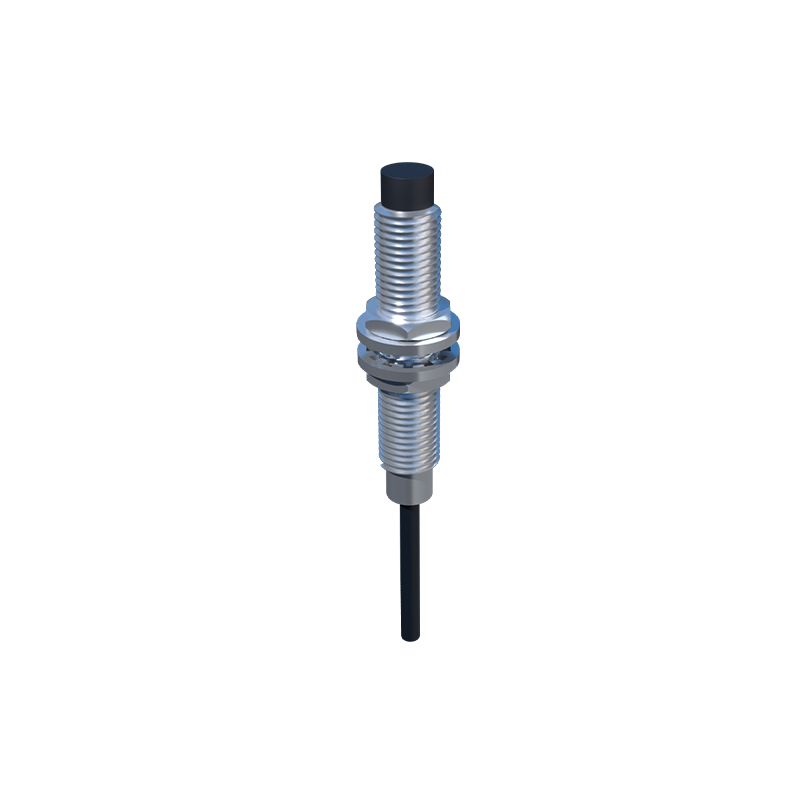
The target characteristics significantly influence accuracy. For inductive sensors, the size, shape, and material composition of the metal target can alter the effective sensing distance. A larger, ferrous target typically ensures more consistent results compared to small or non-ferrous metals. Similarly, for capacitive sensors, the dielectric constant of the target material affects detection sensitivity. Consistent target properties are essential for maintaining accuracy across operations.
Environmental conditions are another crucial factor. Temperature fluctuations can cause thermal expansion in sensor components, leading to drift in detection points. Industrial environments often contain contaminants like dust, oil, or moisture, which may accumulate on sensor faces, attenuating signals. Electromagnetic interference (EMI) from nearby motors or power lines can also induce false triggers or reduced precision. Selecting sensors with appropriate ingress protection (IP) ratings and shielding is vital for mitigating these issues.
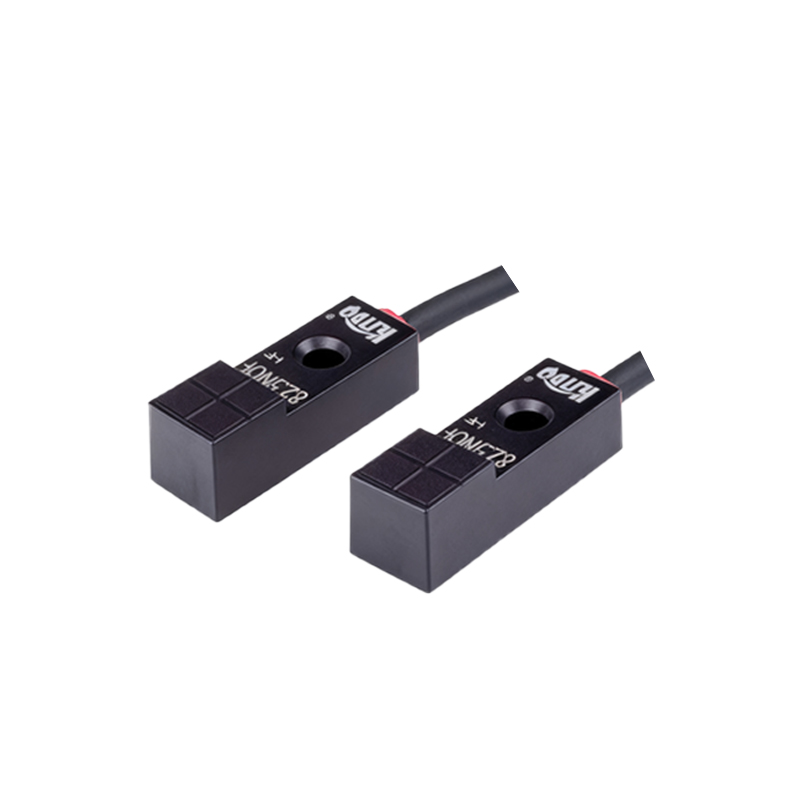
Calibration and installation practices directly determine accuracy. Proper alignment between the sensor and target is necessary; misalignment can result in reduced effective sensing areas. Mounting distance should adhere to manufacturer specifications, considering the nominal sensing range and any recommended derating for specific conditions. Regular calibration checks using certified tools help maintain long-term accuracy, especially in high-cycle applications where mechanical wear may occur.
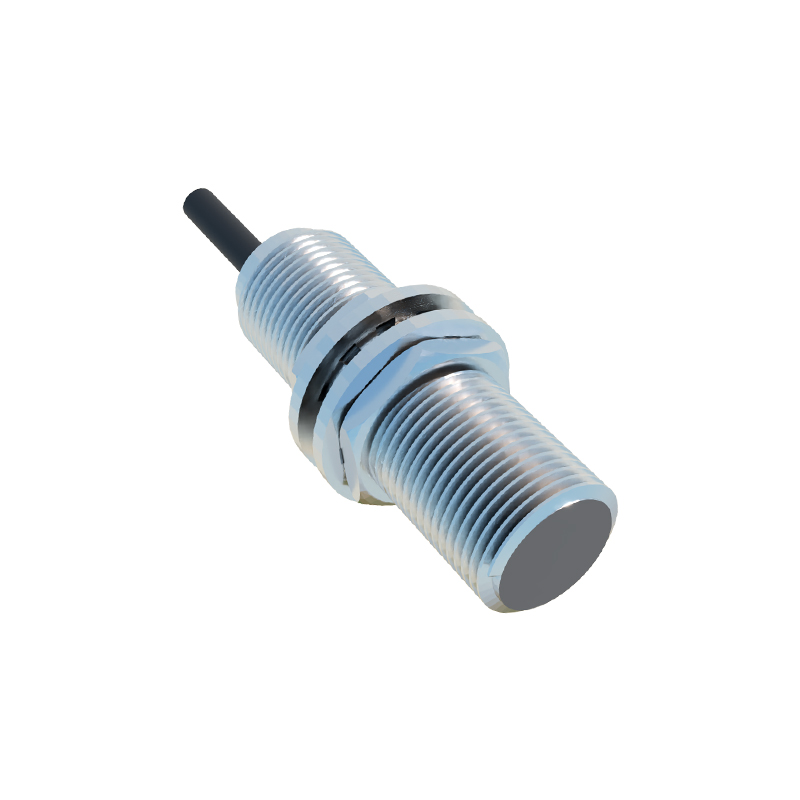
Advanced features in modern proximity sensors enhance accuracy. Temperature compensation circuits adjust output based on ambient changes, minimizing drift. Digital signal processing (DSP) filters out noise and provides stable readings. Some models offer teach-in functions, allowing users to set detection thresholds dynamically for varying targets. These technologies collectively improve performance in demanding settings.
To achieve optimal accuracy, engineers should conduct thorough application assessments. This includes evaluating target material, environmental extremes, required response time, and duty cycles. Consulting sensor datasheets for detailed specifications on repeatability, hysteresis, and temperature coefficients is essential. Repeatability, often more critical than absolute accuracy, indicates the sensor's consistency in returning to the same detection point under identical conditions.
In summary, proximity sensor accuracy is a multifaceted attribute dependent on technology choice, target properties, environmental stability, and proper implementation. By understanding these factors and adhering to best practices, industries can ensure precise detection, reduce downtime, and enhance overall system integrity. Continuous advancements in sensor design promise even greater accuracy, supporting smarter automation solutions.