Standard proximity sensors are fundamental components in modern industrial automation, offering reliable, non-contact detection of metallic and, in some cases, non-metallic objects. Their design and operational principles have been refined over decades, establishing them as a versatile and robust solution for countless applications, from packaging and material handling to automotive assembly and machine tooling. Unlike mechanical limit switches, these sensors operate without physical contact, eliminating mechanical wear and tear, which significantly enhances their service life and reduces maintenance requirements. The core characteristics that define standard proximity sensors can be categorized into several key areas.
Firstly, the sensing principle is paramount. Inductive proximity sensors are the most common standard type, designed specifically for detecting ferrous and non-ferrous metals. They generate an electromagnetic field from a coil in the sensing face. When a metal target enters this field, eddy currents are induced, causing a change in the oscillation amplitude. This change is detected by the sensor's circuitry, triggering a solid-state output switch. This principle ensures high switching frequency and excellent repeat accuracy, making them ideal for high-speed counting or precise position verification. Capacitive sensors, another standard variant, can detect both metallic and non-metallic materials (like plastics, wood, or liquids) by measuring changes in capacitance. However, the term "standard proximity sensor" in most industrial contexts typically refers to the inductive type.
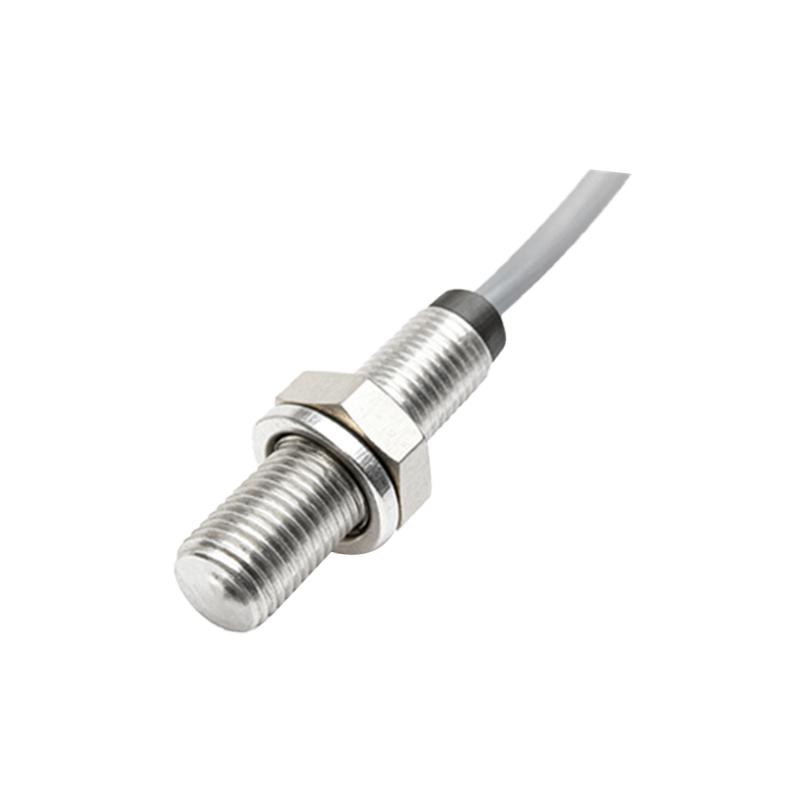
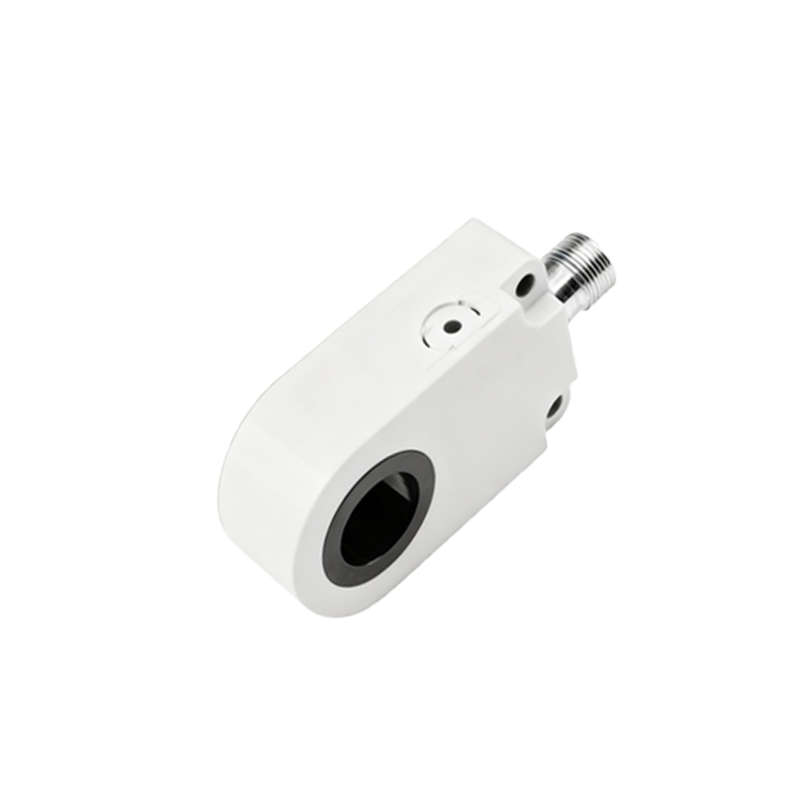
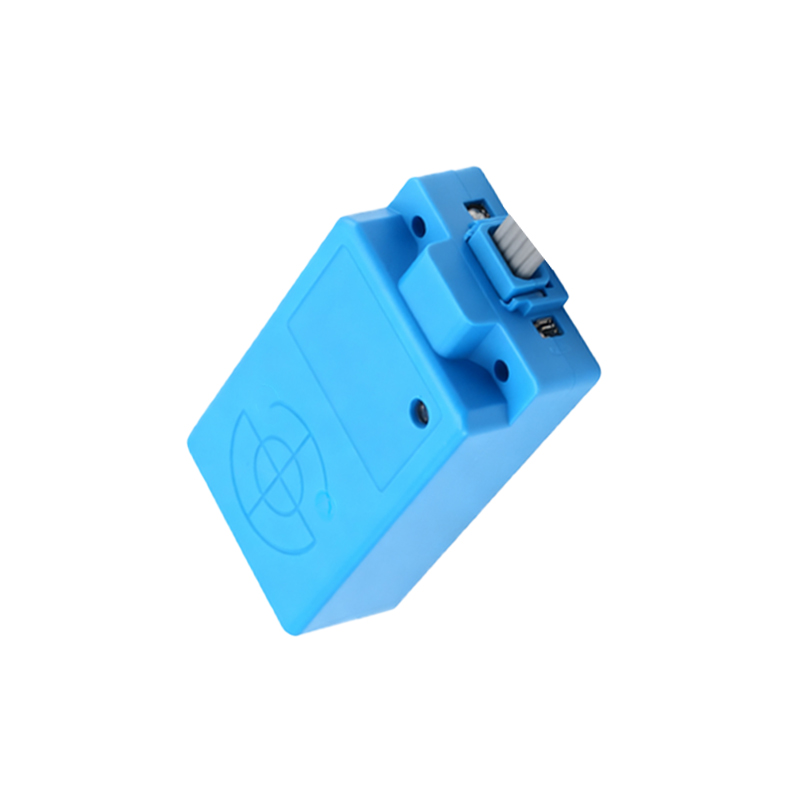
Secondly, the construction and housing materials are critical for durability. Standard models are housed in robust, typically cylindrical or rectangular, metal (often stainless steel) or polymer casings. These housings are designed to meet specific Ingress Protection (IP) ratings, such as IP67 or IP68, ensuring resistance to dust, water jets, and temporary immersion. This ruggedness allows them to perform reliably in harsh environments with exposure to coolants, oils, metal chips, and vibration. The sensing face is usually made of a specialized polymer or ceramic material that protects the internal coil while allowing the electromagnetic field to pass through effectively.
A third defining characteristic is the output configuration. Standard proximity sensors primarily provide digital (on/off) outputs. The two main output types are NPN (sinking) and PNP (sourcing) transistor outputs, which are standard in DC-powered sensors. NPN outputs switch the negative (0V) line to the load, while PNP outputs switch the positive voltage line. The choice depends on the prevailing control system architecture (e.g., PLC input card type). Some models also offer analog (4-20 mA or 0-10V) or IO-Link outputs for distance-proportional measurement, but the discrete switch is the hallmark of the standard sensor. These solid-state outputs enable fast response times, often in the microsecond range, and can handle millions of switching cycles.
Fourth, key performance specifications are standardized. The sensing distance, or nominal range (Sn), is a critical parameter. For a standard M18 cylindrical inductive sensor, a typical sensing range is 5mm or 8mm for steel. It is crucial to note that this rated distance is for a standard target (usually a square of mild steel). Factors like target material, size, and shape can affect the actual usable range. Another vital spec is the hysteresis, which is the difference between the switch-on and switch-off points. This feature prevents output chatter when a target is at the edge of the sensing range. Temperature range, voltage supply range (commonly 10-30V DC), and short-circuit and overload protection are also standardized features that ensure stable operation.
Finally, installation and electrical characteristics are designed for ease of use. Many standard cylindrical sensors feature a threaded barrel (e.g., M8, M12, M18, M30) for easy mounting in a drilled and tapped hole. Wiring is typically straightforward, with pre-wired cables or quick-disconnect connectors. LED status indicators are almost universal, providing visual confirmation of power and output state, which is invaluable for troubleshooting. The inherent design ensures they are largely immune to ambient light, sound, or most non-target materials, providing stable detection in complex settings.
In conclusion, the standard proximity sensor's enduring value lies in its optimized blend of reliability, durability, and simplicity. Its characteristics—non-contact inductive or capacitive sensing, rugged housing, solid-state switching, standardized performance metrics, and user-friendly installation—make it an indispensable workhorse in industrial automation. By understanding these core traits, engineers and technicians can select and apply these sensors effectively to enhance machine efficiency, safety, and productivity across a vast spectrum of applications.