In the industrial sector, cranes are indispensable for material handling, lifting heavy loads, and facilitating complex operations in environments such as manufacturing plants, construction sites, and ports. The integration of proximity switch sensors into crane systems has revolutionized their functionality, offering significant improvements in safety, precision, and reliability. These non-contact sensors detect the presence or absence of objects without physical interaction, making them ideal for the demanding conditions of crane applications. This article explores the role of proximity switch sensors in cranes, their types, benefits, and key considerations for implementation.
Proximity switch sensors operate based on electromagnetic fields, capacitive sensing, or inductive principles, depending on the type. In crane systems, inductive proximity sensors are commonly used due to their robustness in detecting metallic objects. They generate an oscillating electromagnetic field, and when a metal target enters this field, it induces eddy currents that alter the sensor's oscillation, triggering a switch signal. This mechanism allows for precise detection of crane components, such as hooks, trolleys, or load positions, ensuring accurate control over movements. For non-metallic materials, capacitive proximity sensors can be employed, though they are less frequent in crane setups.
The primary application of proximity switch sensors in cranes is for limit switching and position sensing. For instance, sensors are installed at the endpoints of crane bridges or hoists to prevent over-travel, which could lead to collisions or mechanical failures. By detecting when the crane reaches a predefined limit, the sensor sends a signal to the control system to halt movement, thereby avoiding accidents and equipment damage. Additionally, proximity sensors monitor the position of loads, enabling automated operations like stacking or sorting in warehouses. This enhances operational efficiency by reducing manual intervention and minimizing downtime.
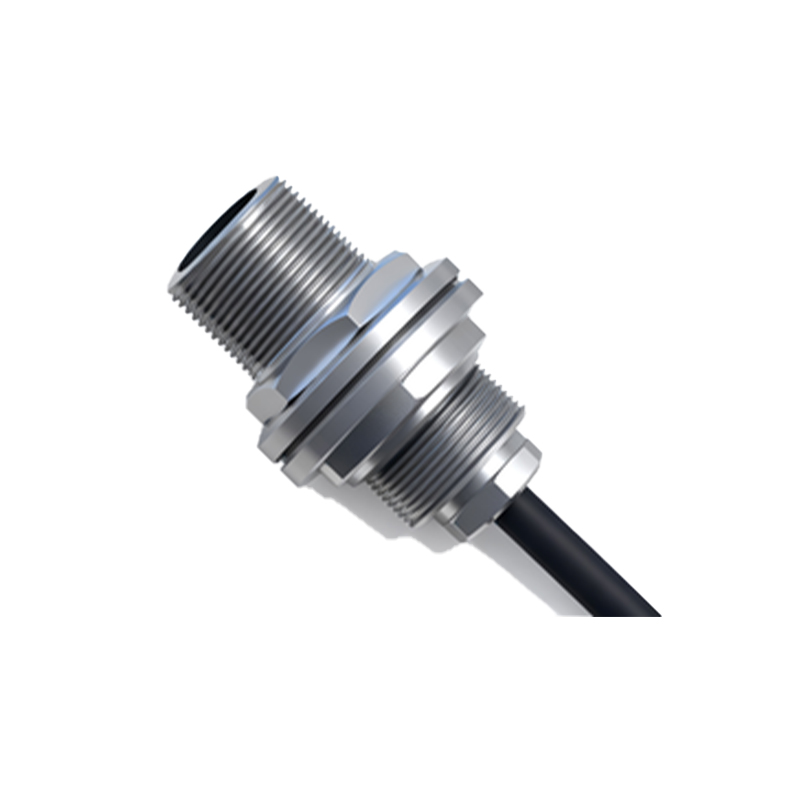
Safety is a paramount concern in crane operations, and proximity switch sensors contribute significantly to risk mitigation. In hazardous environments where human access is limited, these sensors provide reliable detection without wear and tear associated with mechanical switches. They are resistant to dust, moisture, and vibrations, common in industrial settings, ensuring consistent performance. For example, in port cranes handling containers, sensors help align loads accurately, preventing sway and potential drops that could endanger workers. Moreover, by integrating sensors with programmable logic controllers (PLCs), crane systems can achieve advanced safety features like emergency stop functions and real-time monitoring.
When selecting proximity switch sensors for cranes, several factors must be considered. The sensing range should match the application requirements, with longer ranges suitable for large cranes but potentially less precise. Environmental conditions, such as temperature extremes or exposure to chemicals, dictate the need for ruggedized sensors with high ingress protection (IP) ratings. Compatibility with the crane's control system is also crucial; sensors must output signals (e.g., NPN or PNP) that interface seamlessly with PLCs or relays. Regular maintenance, including calibration and cleaning, ensures longevity and accuracy, though proximity sensors generally require less upkeep than mechanical alternatives due to their non-contact nature.
In terms of types, besides inductive sensors, ultrasonic proximity sensors are gaining traction in crane applications for their ability to detect a wide range of materials, including liquids and solids. They use sound waves to measure distance, offering versatility in complex scenarios. However, inductive sensors remain the standard for metal detection due to their cost-effectiveness and reliability. The choice depends on specific operational needs, such as load composition and environmental challenges.
The benefits of using proximity switch sensors in cranes extend beyond safety and efficiency. They contribute to energy savings by optimizing crane movements, reducing unnecessary operations that consume power. In automated systems, sensors enable predictive maintenance by monitoring component wear, alerting operators to potential issues before failures occur. This proactive approach lowers repair costs and extends the crane's lifespan. Furthermore, as Industry 4.0 trends advance, proximity sensors facilitate data collection for analytics, allowing companies to improve workflows and make informed decisions.
In conclusion, proximity switch sensors are vital components in modern crane systems, enhancing performance through precise detection and control. Their adoption aligns with industry demands for safer, smarter, and more efficient material handling. By understanding their principles and applications, engineers can implement tailored solutions that maximize crane productivity while minimizing risks. As technology evolves, innovations in sensor design promise even greater integration, paving the way for fully autonomous cranes in the future.