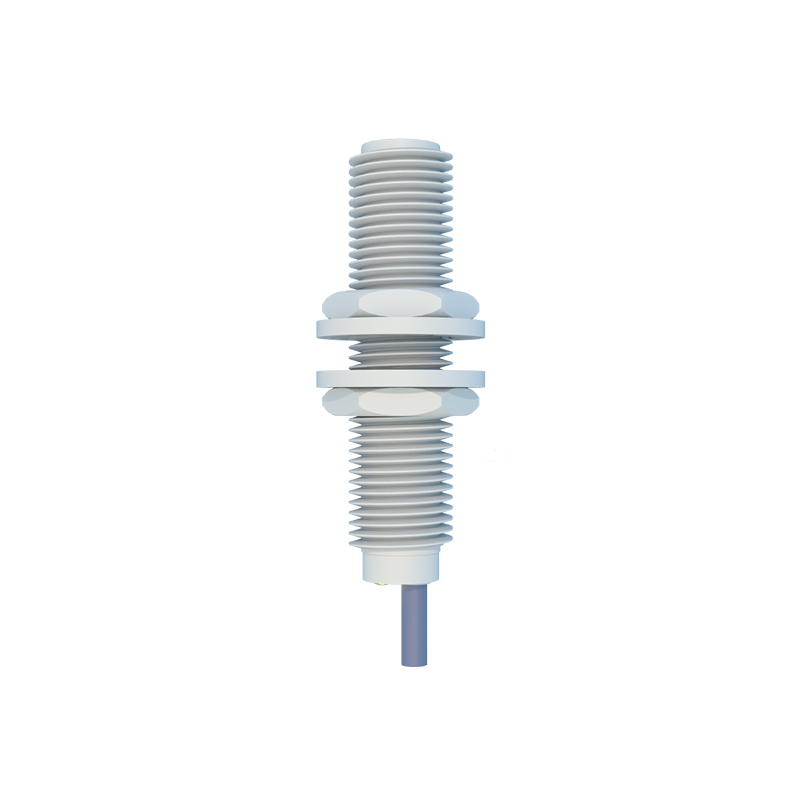
In the realm of modern electronics, screen proximity sensors are ubiquitous yet often overlooked components that significantly enhance user experience and device functionality. Fundamentally, a screen proximity sensor is a non-contact electronic device designed to detect the presence or absence of an object, typically a human body part like a face or hand, near a display screen. This detection triggers predefined actions within the device's operating system, creating a more intuitive and energy-efficient interaction.
The core technology behind most screen proximity sensors is infrared (IR) sensing. A typical sensor module consists of an IR Light Emitting Diode (LED) and an IR photodetector. The IR LED emits an invisible beam of infrared light. When an object approaches the screen, this light reflects off the object and is captured by the photodetector. The sensor's integrated circuitry then analyzes the intensity of the reflected light. A significant increase in intensity indicates an object is close. This simple principle enables a powerful function: when you lift a smartphone to your ear during a call, the sensor detects your cheek and automatically turns off the display. This action prevents accidental screen touches (like muting the call with your ear) and conserves battery power by disabling the backlight unnecessarily.

Beyond the common phone call scenario, the applications of proximity sensors are extensive. In tablets and laptops, they can prevent unintended input from the keyboard or palm when the device is held close. In automotive infotainment systems, a proximity sensor can detect a hand approaching the central touchscreen and illuminate context-sensitive controls or menus, reducing driver distraction. Some advanced implementations, often coupled with ambient light sensors, allow for features like waking the device from sleep mode when a hand waves over it or keeping the screen on while the user is looking at it.
The engineering considerations for integrating these sensors are meticulous. Placement is critical; the sensor is usually embedded within the bezel of the display, behind a small, IR-transparent window. Engineers must carefully calibrate the sensor's sensitivity and range to avoid false triggers from stray reflections or failure to detect an actual approach. Environmental factors like bright sunlight, which contains high levels of infrared radiation, can interfere with the sensor's operation, necessitating sophisticated filtering algorithms in the firmware. Furthermore, the choice between different sensor types, such as simpler digital on/off sensors versus more complex analog sensors that can gauge approximate distance, depends on the specific application requirements and cost targets.
From a design and manufacturing perspective, the trend is toward miniaturization and integration. Modern proximity sensors are often part of a multi-sensor hub, combined with ambient light sensors, color sensors, and even gesture sensors into a single, tiny chip. This integration saves valuable space inside increasingly sleek devices and simplifies the assembly process. The communication with the device's main processor is typically handled through standard digital interfaces like I²C (Inter-Integrated Circuit).
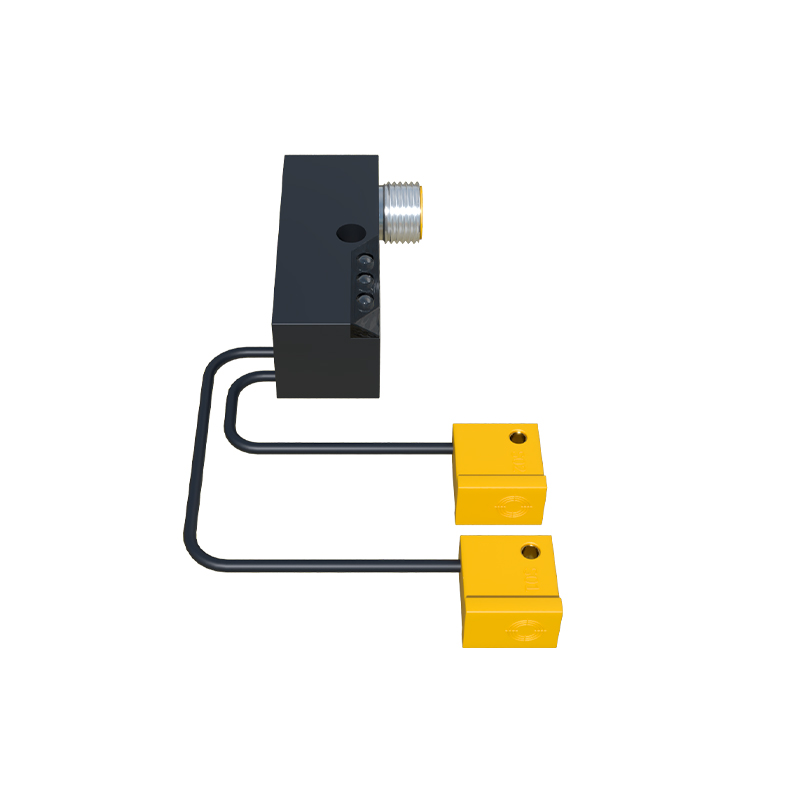
Looking forward, the role of proximity sensing is evolving. With the rise of Augmented Reality (AR) and Virtual Reality (VR) headsets, more precise and faster proximity detection is crucial for safety and immersion. In the Internet of Things (IoT), proximity sensors can enable touchless control of appliances or lighting, promoting hygiene and convenience. The underlying technology may also see advancements, with potential shifts from traditional IR to time-of-flight (ToF) sensors or even camera-based solutions using machine learning for more contextual awareness.
In conclusion, the screen proximity sensor is a quintessential example of a seamless human-machine interface enabler. Its operation is elegantly simple from a user's perspective but involves careful engineering in implementation. By intelligently bridging the physical gap between the user and the digital display, it enhances usability, improves power management, and paves the way for more natural interactions with the technology that surrounds us. Its continued development will remain integral to creating devices that are not only smarter but also more responsive to human presence and intent.