In industrial automation, detecting stainless steel objects presents unique challenges that require careful sensor selection. Stainless steel, with its varying magnetic properties and surface characteristics, demands proximity sensors specifically designed to handle its non-ferromagnetic or weakly magnetic nature. Unlike mild steel, many stainless steel grades (particularly austenitic types like 304 and 316) are not easily detectable by standard inductive sensors, which rely on eddy current losses in ferromagnetic materials.
For reliable detection of stainless steel, engineers primarily turn to three types of proximity sensors: capacitive, ultrasonic, and specialized inductive sensors. Capacitive proximity sensors detect changes in capacitance caused by the presence of any material, including non-metallic ones. They work well with stainless steel regardless of its magnetic properties, making them a versatile choice. However, they can be influenced by environmental factors like humidity or contamination on the target surface.
Ultrasonic sensors operate by emitting sound waves and measuring their reflection time. They are entirely unaffected by the color, transparency, or electromagnetic properties of stainless steel, offering excellent performance for distance measurement and detection of complex-shaped parts. Their downside includes potential interference from air turbulence, temperature variations, or highly absorbent surfaces.
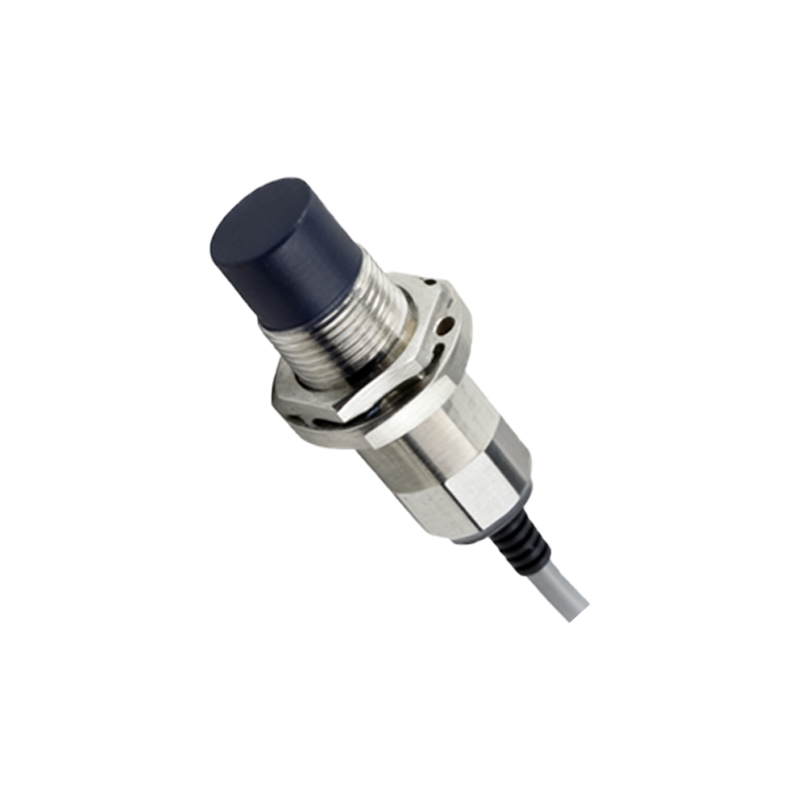
The most common and often optimal solution is the use of factor-1 inductive sensors specifically designed for non-ferrous metals. Standard inductive sensors have a reduction factor (typically less than 0.5 for stainless steel), meaning their sensing range is significantly reduced. Specialized "non-ferrous" or "all-metal" inductive sensors incorporate higher-frequency oscillators and advanced algorithms to maintain a consistent sensing range, often achieving a reduction factor close to 1.0 for common stainless steel grades. These sensors provide the robustness, speed, and form factor benefits of traditional inductive sensing while solving the detection challenge.
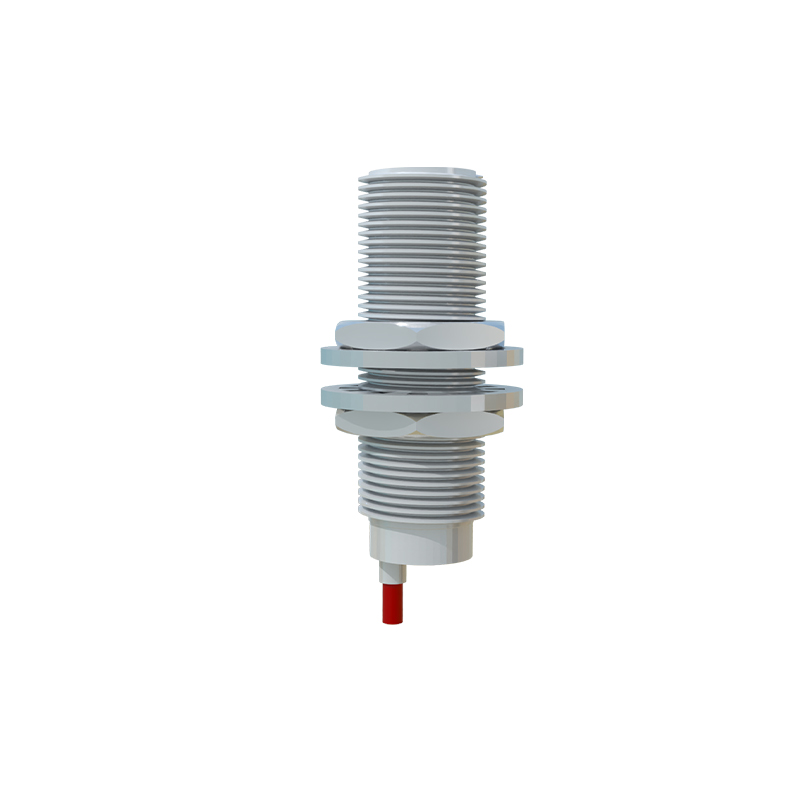
Key selection criteria include the specific stainless steel grade (ferritic, martensitic, or austenitic), required sensing distance, installation environment (presence of washdown, chemicals, or temperature extremes), response time, and output type (PNP/NPN, analog, IO-Link). For food, pharmaceutical, or corrosive environments where austenitic stainless steel is prevalent, sensors with high IP ratings (e.g., IP67, IP69K) and corrosion-resistant housings (often made from PBT or stainless steel themselves) are mandatory.
In applications like conveyor lines, machining centers, or packaging machinery, testing the sensor with the actual target material under real operating conditions is crucial. Factors like target size, approach direction, and the presence of other metals in the background can influence performance. Modern sensors with teach-in functions or IO-Link connectivity simplify this adjustment process, allowing for parameterization of switching points and diagnostics.
Ultimately, the choice depends on the application's priority: all-metal inductive sensors for general-purpose, high-speed detection; capacitive sensors for versatility where other materials are also present; and ultrasonic sensors when precise distance control or detection of varied surfaces is needed. Consulting sensor datasheets for exact reduction factors and performing validation tests will ensure reliable operation, reducing downtime and maintenance costs in stainless steel-intensive automation systems.