Analog proximity sensors represent a critical component in modern industrial automation, offering continuous measurement capabilities that go beyond simple on/off detection. Unlike their digital counterparts, these sensors provide a variable output signal—typically voltage (0-10V) or current (4-20mA)—that is directly proportional to the distance of a target object. This analog signal enables precise monitoring and control in complex machinery, allowing systems to respond dynamically to positional changes.
The operational principle of analog proximity sensors is based on electromagnetic or capacitive sensing technologies. Inductive sensors generate an oscillating electromagnetic field, detecting metallic objects by measuring changes in oscillation amplitude or frequency as the target approaches. Capacitive sensors, on the other hand, detect both metallic and non-metallic materials by monitoring alterations in capacitance caused by the target's presence. The analog output linearly correlates with the distance within the sensor's specified range, providing real-time feedback for process adjustments.
In industrial settings, analog proximity sensors are indispensable for applications requiring granular control. For instance, in conveyor systems, they monitor material height or position, enabling automated speed regulation. In robotic arms, these sensors facilitate precise positioning and force feedback, ensuring accurate movements during assembly or welding tasks. The continuous output allows for smooth motion control, reducing mechanical stress and improving operational efficiency.
Selecting the appropriate analog proximity sensor involves evaluating key parameters. Sensing range, typically from a few millimeters to several centimeters, must align with the application's spatial constraints. Output type is another crucial consideration: voltage outputs are suitable for short-distance signal transmission with minimal interference, while current outputs offer superior noise immunity over longer cable runs. Environmental factors such as temperature extremes, humidity, and exposure to chemicals or vibrations also influence sensor choice, necessitating models with robust enclosures and protective ratings like IP67.
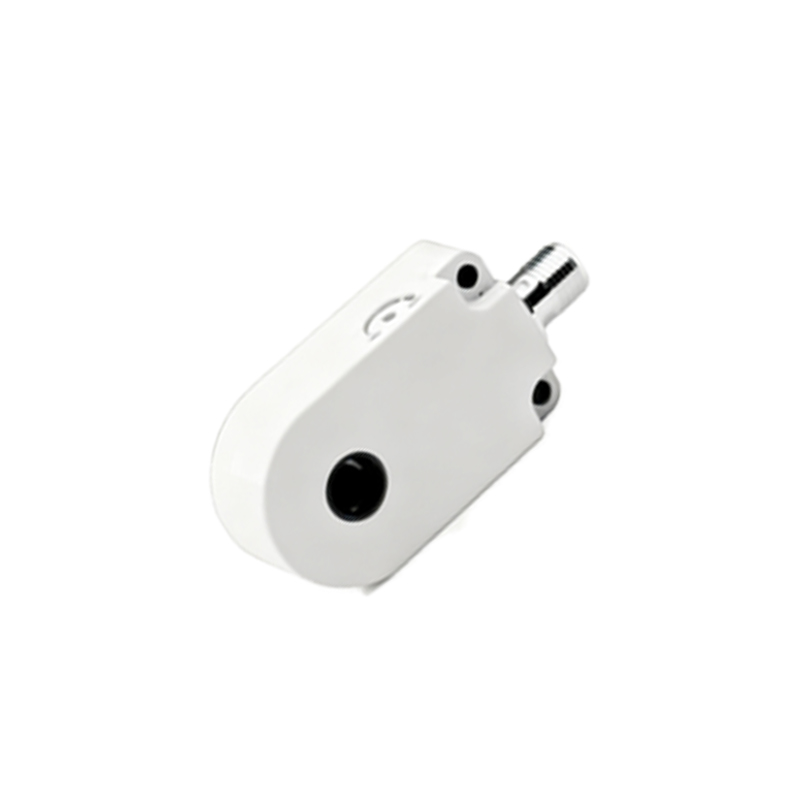
Calibration and integration are vital for optimal performance. During installation, sensors must be calibrated to map the output signal accurately to the desired distance range. This process often involves using calibration tools or software provided by manufacturers. Integration with programmable logic controllers (PLCs) or data acquisition systems requires configuring input modules to interpret the analog signal correctly. Regular maintenance, including cleaning sensing surfaces and verifying output stability, ensures long-term reliability and minimizes downtime.
Advancements in analog proximity sensor technology continue to enhance their capabilities. Modern sensors incorporate features like temperature compensation to maintain accuracy in fluctuating environments, and embedded diagnostics for predictive maintenance. Some models offer programmable output characteristics, allowing customization of response curves to match specific application needs. These innovations expand the sensors' utility in emerging fields such as renewable energy systems, where they monitor turbine blade positions, or in automated guided vehicles (AGVs) for obstacle detection.
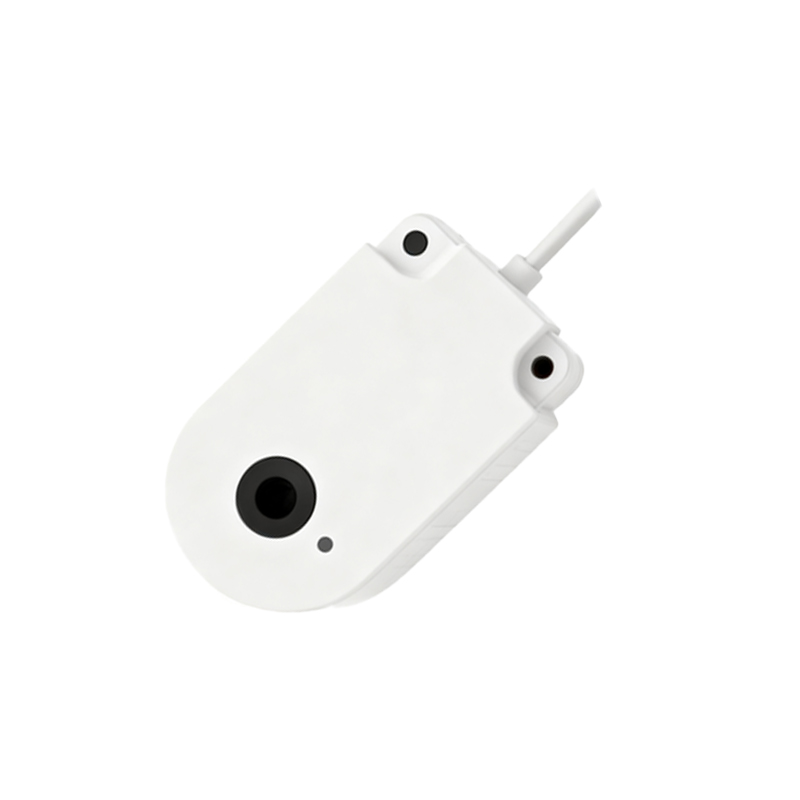
Despite their advantages, analog proximity sensors present challenges that engineers must address. Signal drift due to electrical noise or temperature variations can affect accuracy, necessitating shielded cables and proper grounding. Limited sensing ranges may require multiple sensors for large-scale measurements. Additionally, analog signals are susceptible to degradation over long distances, sometimes requiring signal conditioners or amplifiers. Understanding these limitations helps in designing robust systems that leverage analog sensors effectively.
In conclusion, analog proximity sensors provide a versatile solution for continuous distance measurement in industrial automation. Their ability to deliver real-time, proportional feedback supports precise control and optimization of complex processes. By carefully selecting, calibrating, and integrating these sensors, engineers can enhance system performance, improve safety, and drive innovation across various industries. As technology evolves, analog proximity sensors will remain integral to smart manufacturing and automation landscapes, adapting to meet increasingly sophisticated demands.