In the seamless tapestry of modern life, where devices anticipate our needs and environments adapt to our presence, lie silent sentinels working tirelessly behind the scenes. Proximity and motion sensors, though often unseen and unheralded, form the foundational layer of this interactive intelligence. These technologies, distinct yet frequently complementary, are the invisible guardians enabling a world that is more convenient, efficient, and secure.
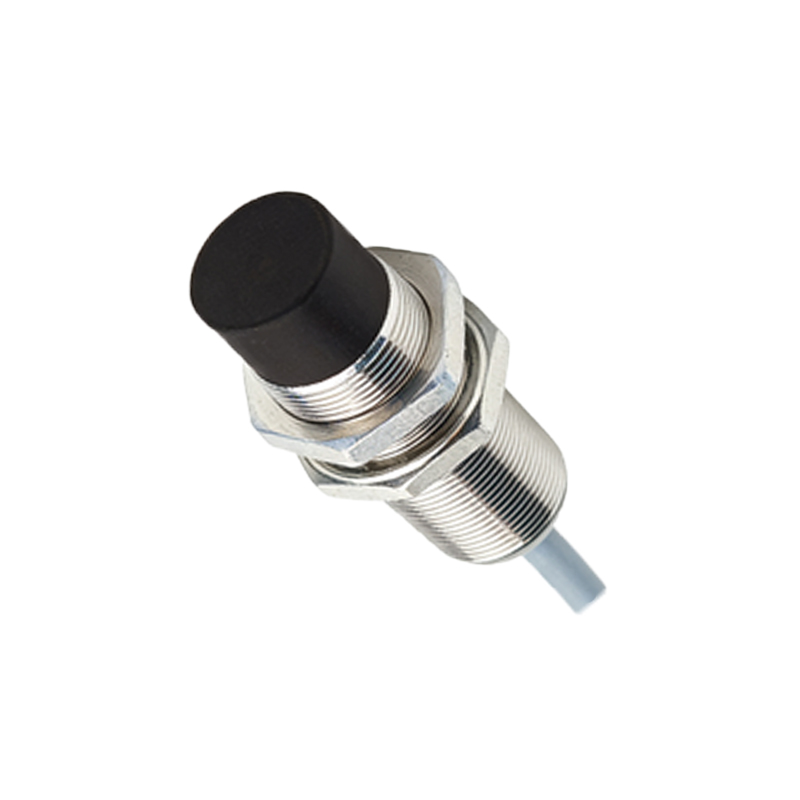
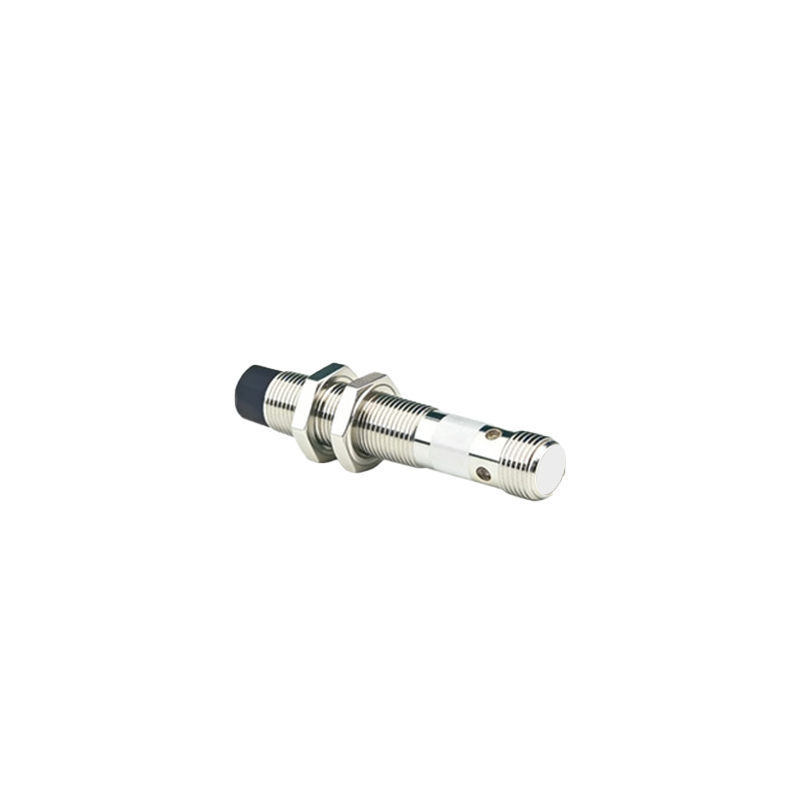
At its core, a proximity sensor is a device that detects the presence or absence of a nearby object without any physical contact. It achieves this by emitting an electromagnetic field or a beam of radiation, such as infrared light, and then looking for changes in the field or the return signal. The most ubiquitous example is in our smartphones. The moment you raise the device to your ear during a call, a small proximity sensor detects your presence and automatically turns off the display. This simple action prevents accidental screen touches and conserves battery life. Beyond phones, proximity sensors are integral to industrial automation, where they ensure precise positioning on assembly lines, and in retail, where they can trigger informational displays as customers approach.
Motion sensors, on the other hand, are designed to detect physical movement within a defined area. They are the watchful eyes of security systems, the responsive triggers for automatic lighting, and the enabling technology for gaming consoles. The principle of operation varies. Passive Infrared (PIR) sensors are the most common, detecting changes in infrared radiation emitted by warm-bodied objects like humans or animals. Microwave sensors emit microwave pulses and measure their reflection off moving objects, offering a wider coverage area. Dual-technology sensors combine methods, such as PIR and microwave, to reduce false alarms by requiring both sensors to trigger. This technology lights up a pathway as you walk through your home at night, saves energy by turning off lights in vacant rooms, and forms the backbone of intrusion detection systems that protect homes and businesses.
The convergence of these sensor technologies is where true innovation flourishes. Modern smart homes and buildings leverage a network of both proximity and motion sensors to create intelligent ecosystems. A system might use proximity sensors to detect a person approaching an entrance, then employ motion sensors to track their movement inside, adjusting climate control and lighting in real-time for optimal comfort and energy use. In automotive applications, proximity sensors (often ultrasonic or electromagnetic) are crucial for parking assistance and blind-spot detection, while advanced motion-sensing cameras and radar form the perception layer for advanced driver-assistance systems (ADAS), paving the way for autonomous vehicles.
The development of these sensors continues to push boundaries. Miniaturization and reduced power consumption, driven by the Internet of Things (IoT), allow for their deployment in wearables and vast sensor networks. Enhanced accuracy and the integration of machine learning algorithms are making them smarter, capable of distinguishing between a pet and an intruder, or between a deliberate gesture and random movement. Future applications point towards even more intuitive human-machine interfaces, advanced health monitoring through micro-motion detection, and sophisticated robotics that can navigate and interact with dynamic environments safely.
Despite their sophistication, challenges remain. Environmental factors like temperature extremes, ambient light, or radio interference can affect performance. Privacy concerns arise as these sensors, particularly cameras used for motion analysis, become more pervasive. Ensuring robust security to prevent the hacking of sensor networks is paramount. Manufacturers and developers must address these issues through improved hardware design, intelligent software filtering, and transparent privacy policies.
From the simple act of a phone screen dimming to the complex orchestration of a smart city's energy grid, proximity and motion sensors are indispensable. They are the fundamental translators, converting the analog world of physical presence and movement into digital data that machines can understand and act upon. As technology evolves to become more ambient and contextual, these sensors will only grow in importance, remaining the essential, invisible guardians that make our interactions with technology feel effortless and magical.