In the rapidly evolving landscape of industrial automation, precision measurement is paramount. Laser displacement sensors have emerged as critical components, enabling non-contact, high-accuracy distance and position measurement for a vast array of applications, from quality control on assembly lines to robotic guidance and vibration analysis. Selecting the right supplier is crucial for ensuring system reliability, accuracy, and long-term value. This article provides an overview of leading companies supplying laser displacement sensors, highlighting their core technologies and market strengths.
Key Technologies and Sensor Types

Modern laser displacement sensors primarily utilize two measurement principles: triangulation and time-of-flight (ToF). Triangulation sensors, known for their micron-level accuracy at short ranges, project a laser spot onto a target. A receiving lens captures the reflected light at an angle, and the displacement is calculated via the triangular relationship between the emitter, receiver, and target point. They are ideal for precise profile and thickness measurements. Conversely, ToF sensors measure the time it takes for a laser pulse to travel to the target and back, excelling in long-range measurements up to several meters, though typically with lower resolution. Suppliers often specialize in one principle or offer comprehensive portfolios covering both.
Leading Global Suppliers
Several established corporations dominate the high-end market for laser displacement sensors. Keyence Corporation, a Japanese multinational, is renowned for its innovative and user-friendly sensor solutions. Their LJ-V and LK-G series are industry benchmarks, offering exceptional speed, resolution, and robust data processing features integrated directly into the sensor head. Omron Corporation, another Japanese leader, provides a wide range of automation components, including highly reliable laser sensors like the ZX series, valued for their durability in harsh industrial environments.

From Europe, Micro-Epsilon, a German specialist in precision measurement, is highly respected for its cutting-edge laser triangulation sensors. Their scanCONTROL series for profile measurement and optoNCDT series for single-point displacement set standards for precision in research and development as well as demanding industrial tasks. SICK AG, also of Germany, offers a vast sensor portfolio, with laser displacement sensors like the OD series that are engineered for ruggedness and integration into large-scale factory automation and logistics systems.
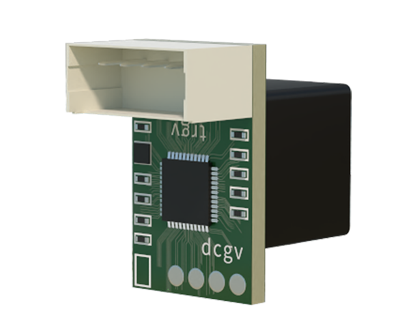
Panasonic Corporation (Japan) and Banner Engineering (USA) are also significant players, providing cost-effective and reliable solutions for various automation challenges. Furthermore, companies like Cognex, primarily known for machine vision, incorporate laser displacement technology into advanced 3D vision systems for comprehensive inspection.
Selection Criteria for Engineers
When sourcing a laser displacement sensor, engineers must evaluate several parameters beyond brand reputation. Key specifications include measuring range, resolution, linearity, sampling speed, and spot size. The operating environment is critical; factors like ambient light, temperature fluctuations, and target surface characteristics (color, material, reflectivity) can significantly impact performance. Suppliers that offer sensors with built-in environmental compensation, multiple operating modes, and robust housings (IP67/IP68 ratings) provide greater application flexibility.
Integration and support are equally important. Leading suppliers offer comprehensive software tools for configuration, data visualization, and analysis. The availability of various output options (analog, digital, Ethernet-based protocols like EtherNet/IP or PROFINET) ensures seamless connectivity with PLCs and control systems. Local technical support and application engineering expertise can be decisive in solving complex installation challenges.
Future Trends and Conclusion
The market for laser displacement sensors continues to grow, driven by Industry 4.0 and smart factory initiatives. Future trends point toward sensors with even higher speeds and resolutions, miniaturization of sensor heads, and enhanced intelligence through integrated processors enabling edge computing and AI-based data analysis. Wireless connectivity and IoT readiness are becoming standard features.
Choosing a supplier is not merely a procurement decision but a strategic partnership. The leading companies mentioned have established their dominance through continuous R&D, proven application expertise, and global support networks. For system integrators and end-users, a thorough evaluation of technical specifications against application requirements, coupled with an assessment of the supplier's support ecosystem, will lead to the optimal selection. Investing in high-quality laser displacement sensors from a reputable supplier is an investment in measurement integrity, ultimately contributing to improved product quality, reduced waste, and enhanced operational efficiency in automated systems.