In the rapidly evolving landscape of industrial automation and smart technology, infrared proximity sensors stand as a cornerstone of innovation. These sophisticated devices, engineered by specialized manufacturers, are pivotal in enabling machines to perceive and interact with their environment without physical contact. An infrared proximity sensor company typically dedicates its expertise to designing, developing, and producing sensors that emit infrared light and measure its reflection to detect the presence, absence, or distance of objects. The core technology hinges on the principle that infrared radiation, invisible to the human eye, can be precisely modulated and analyzed. When an object enters the sensor's field, the emitted IR beam reflects back to a receiver, such as a phototransistor or photodiode. The sensor's internal circuitry then processes this signal, often converting changes in reflection intensity or time-of-flight into accurate distance measurements or simple on/off outputs.
The applications of these sensors are vast and transformative. In the automotive sector, they are integral to advanced driver-assistance systems (ADAS), enabling features like blind-spot detection, parking assistance, and collision avoidance. On factory floors, they ensure robotic arms operate with millimeter precision, preventing accidents and optimizing assembly lines. Consumer electronics, from smartphones that dim screens during calls to automatic faucets and soap dispensers, rely on their discreet and reliable operation. Moreover, in the realm of security and access control, infrared sensors provide non-intrusive monitoring, detecting movement or presence to trigger alarms or grant access.
What distinguishes a leading infrared proximity sensor manufacturer is not merely the production of components but a deep commitment to research and development. Top-tier companies invest heavily in overcoming industry challenges such as ambient light interference, varying object reflectivity, and extreme environmental conditions. Innovations like modulated IR signals, which pulse at specific frequencies, allow sensors to distinguish their own light from background noise, ensuring stability under sunlight or artificial lighting. Furthermore, advancements in miniaturization and power efficiency have led to sensors that are smaller, more robust, and capable of operating on minimal energy—a critical factor for battery-powered IoT devices.
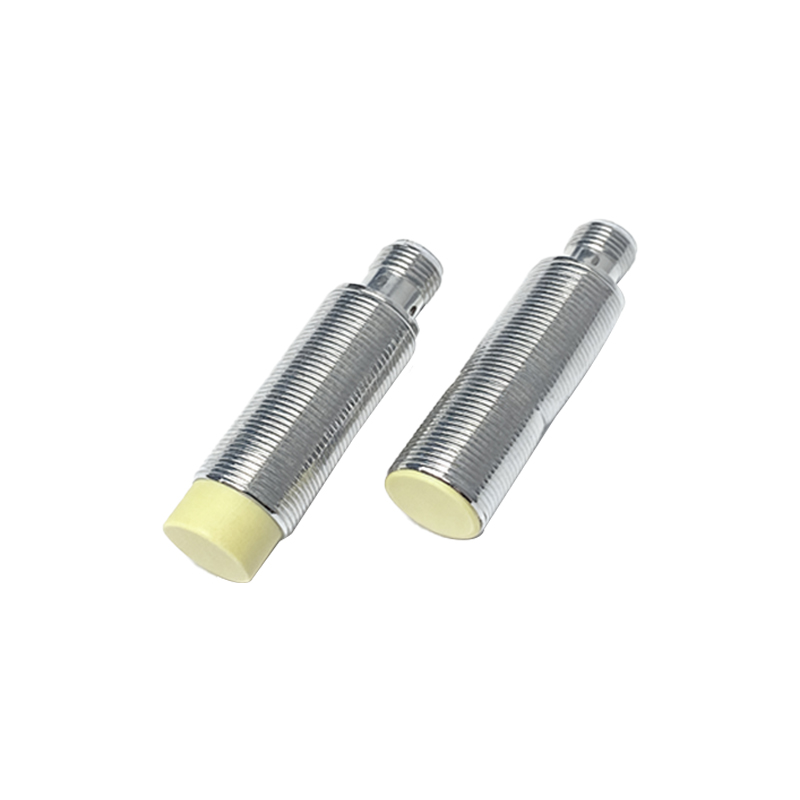
Quality assurance and customization are also hallmarks of excellence. Reputable firms adhere to stringent international standards (e.g., ISO, IEC) and conduct rigorous testing for parameters like sensing range, response time, and temperature tolerance. They often work closely with clients to tailor sensors for niche applications, whether it's adjusting the beam angle for specific detection patterns or integrating digital interfaces like I2C or UART for seamless communication with microcontrollers. This collaborative approach ensures that the sensor seamlessly integrates into the broader system architecture.
Looking ahead, the future of infrared proximity sensing is intertwined with trends like Industry 4.0 and the Internet of Things. As machines become more autonomous and interconnected, the demand for intelligent, adaptive sensing solutions will only grow. Emerging technologies, such as the fusion of IR sensing with AI for predictive analytics or the development of multi-spectral sensors, promise to unlock new capabilities. Companies at the forefront are already exploring these frontiers, driving progress that makes our world safer, more efficient, and intuitively responsive.
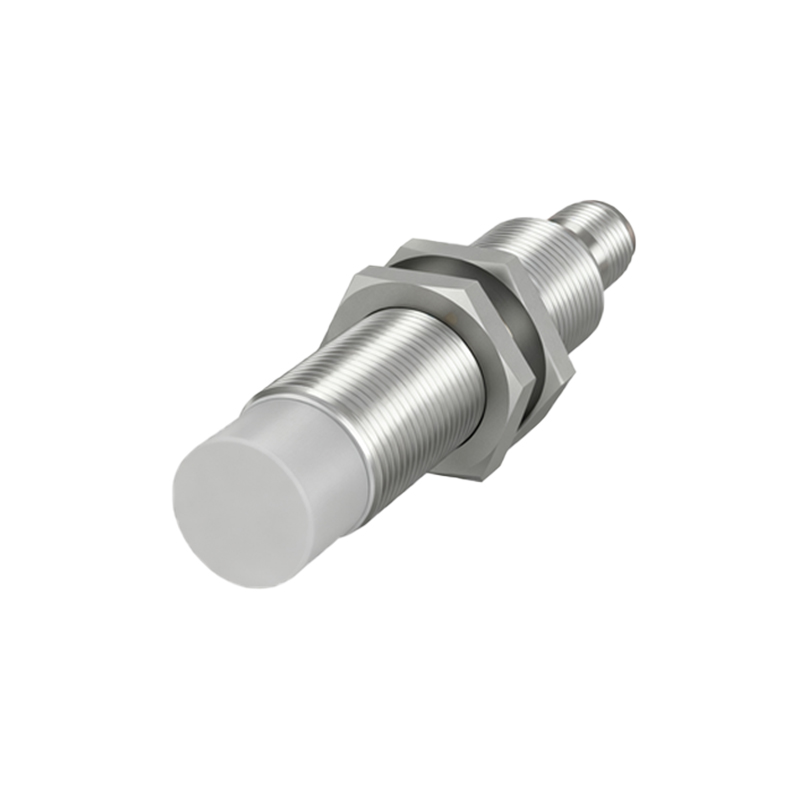
In essence, an infrared proximity sensor company does more than sell hardware; it provides the essential "eyes" for automated systems. Through continuous innovation and a focus on reliability, these enterprises empower industries to achieve higher levels of precision, safety, and operational intelligence, solidifying their role as indispensable partners in the technological revolution.