Magnetic proximity sensors, often referred to as magnetic switches or reed sensors, are fundamental components in modern automation and control systems. Their primary function is to detect the presence or absence of a magnetic field, typically generated by a permanent magnet, without any physical contact. This non-contact operation is the cornerstone of their reliability and longevity, making them indispensable in environments demanding durability and maintenance-free performance.
At the heart of the most common type—the reed switch sensor—lies a simple yet ingenious mechanism. The sensor contains two ferromagnetic reeds, sealed within a glass tube filled with an inert gas. These reeds act as both the magnetic flux conductors and the electrical contact members. When an external magnetic field from a target magnet approaches, the reeds become magnetically polarized, attracting each other. This causes the contacts to close, completing an electrical circuit. When the magnetic field is removed, the natural spring tension of the reeds forces them apart, breaking the circuit. This binary operation—open or closed—provides a clear, unambiguous signal.
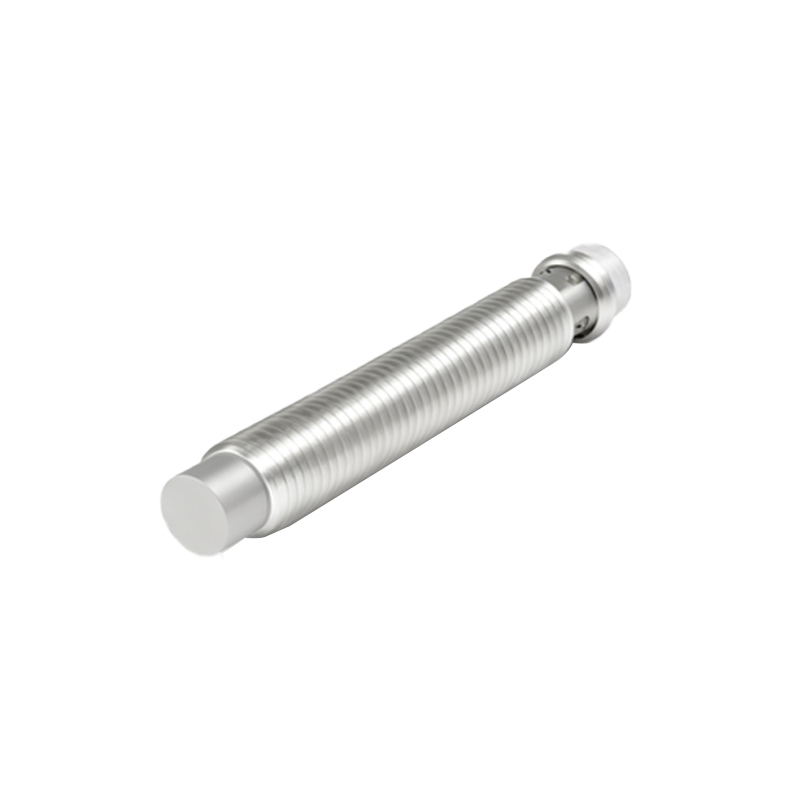
The advantages of magnetic proximity sensors are numerous. Their hermetically sealed construction makes them inherently resistant to dust, dirt, moisture, and even immersion in many fluids, suiting them for harsh industrial and outdoor applications. They consume virtually no power in their passive state, a critical feature for battery-operated devices. Furthermore, they are capable of switching both low-voltage logic circuits and higher-power loads (when used with appropriate interfaces), and they offer incredibly fast response times. Their simplicity translates to high reliability and a long operational life, often rated for millions of cycles.
These sensors find applications across a vast spectrum of industries. In the automotive sector, they are used for detecting door, hood, and trunk positions, as well as in gearbox and brake fluid level monitoring. In industrial automation, they are the go-to solution for cylinder position sensing, detecting the open/closed state of valves and guards, and in conveyor systems for counting or positioning. Home security systems utilize them on windows and doors, while consumer electronics employ them in laptops and tablets as lid-closure detectors. Even in white goods, they ensure washing machine doors are securely locked during operation.
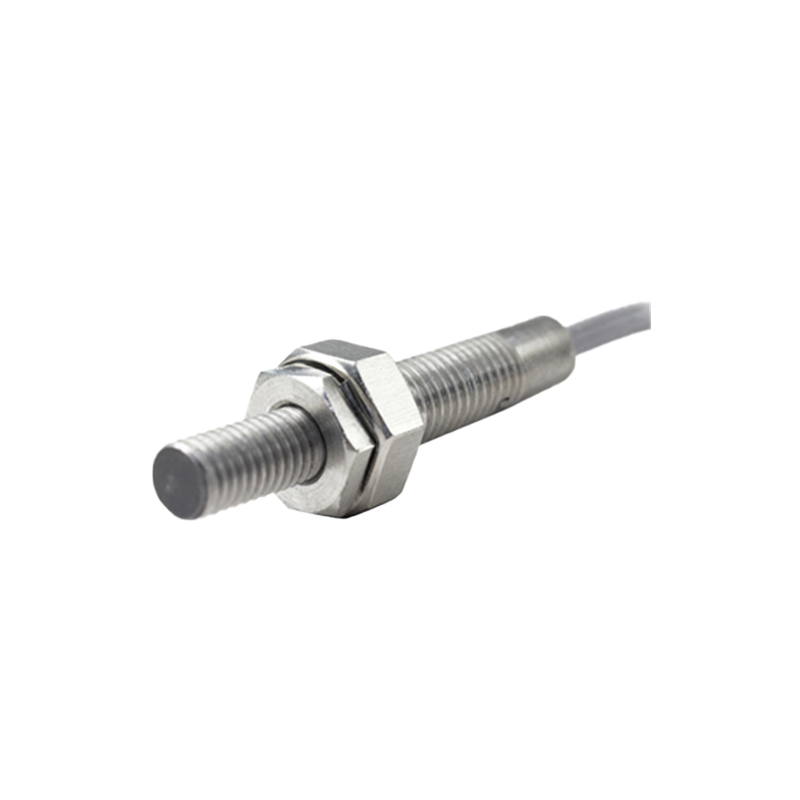
When selecting a magnetic proximity sensor for a specific application, several key parameters must be considered. The sensing distance, or the maximum air gap at which the sensor can reliably detect the magnet, is paramount. This depends on the strength (gauss rating) of the magnet and the sensitivity of the reed switch. The electrical ratings—switching voltage and current—must match the load requirements. Environmental factors like temperature range, shock, and vibration resistance are critical for long-term stability. The physical form factor, including size, mounting style, and lead type, must fit the mechanical design. Finally, the type of output—normally open (NO), normally closed (NC), or changeover—must align with the control logic of the system.
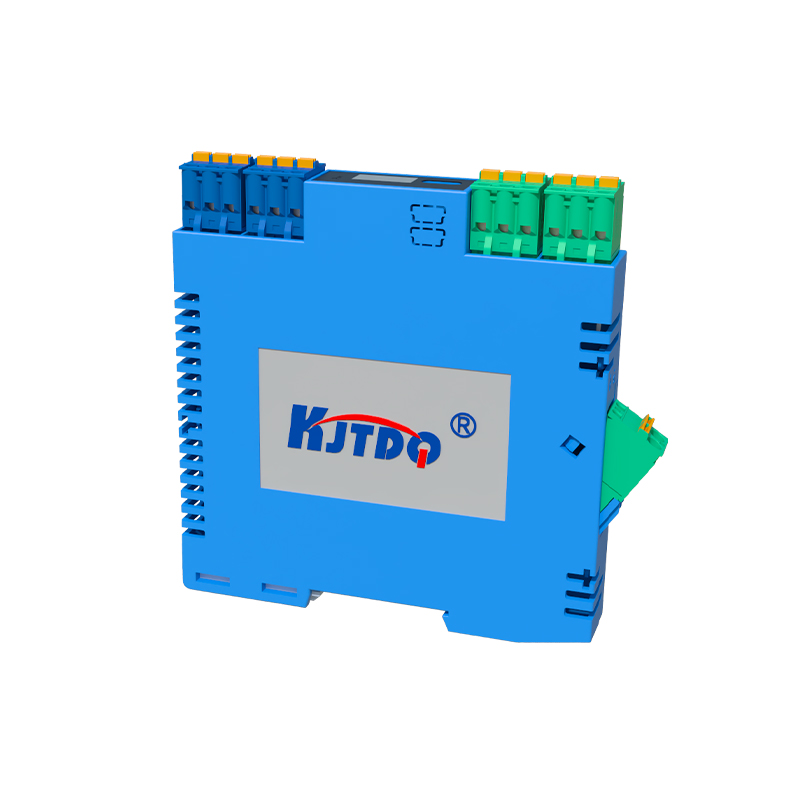
Installation and operational best practices are straightforward but essential. The sensor and magnet must be aligned correctly, typically facing each other, as the magnetic field strength diminishes rapidly with misalignment and distance. Using the magnet supplied or recommended by the sensor manufacturer ensures optimal performance. For DC circuits, observing correct polarity is necessary when using active electronic sensors, though passive reed switches are polarity-insensitive. Avoiding strong external magnetic fields or ferrous metal in the sensing path prevents false triggering.
While reed-based sensors dominate, other technologies like Hall-effect sensors and magnetoresistive sensors offer alternatives for specialized needs. Hall-effect sensors are solid-state devices that output a voltage proportional to magnetic field strength, allowing for analog sensing and greater precision in position detection. Magnetoresistive sensors offer extreme sensitivity and directional sensing capabilities. However, for robust, cost-effective, and simple presence detection, the traditional magnetic reed proximity sensor remains an unparalleled solution.
In conclusion, the magnetic proximity sensor is a testament to elegant engineering simplicity. Its ability to provide reliable, contactless switching in challenging conditions has secured its place as a foundational sensing technology. From ensuring factory safety to making our daily appliances smarter, these silent sentinels continue to play a critical role in the invisible infrastructure of our automated world. Understanding their principles and proper application is key to leveraging their full potential in any design or maintenance scenario.