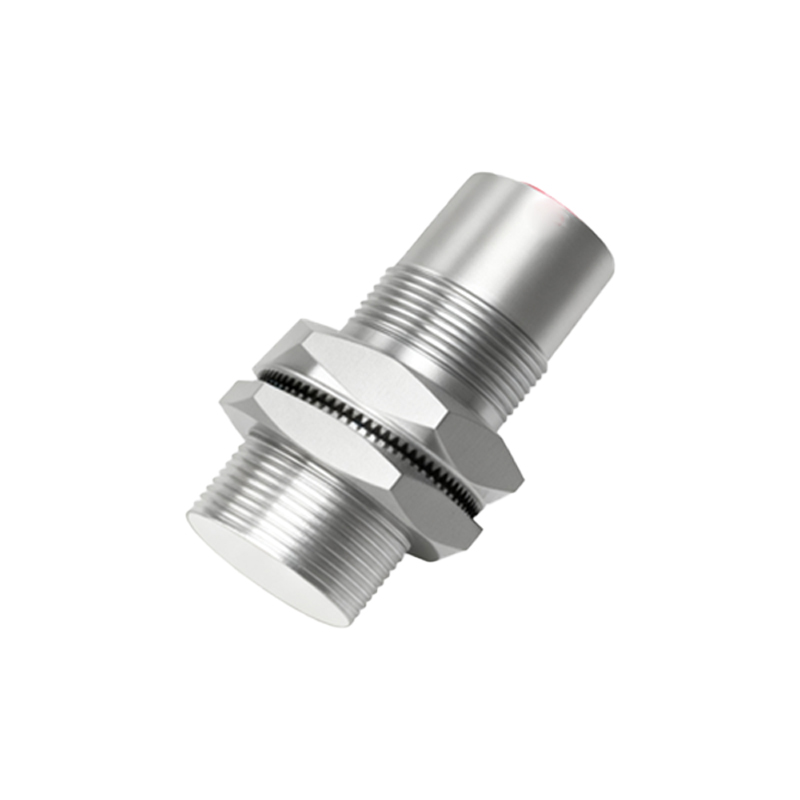
In the intricate dance of modern automation, where precision and reliability are non-negotiable, a seemingly simple component plays a pivotal yet often overlooked role: the sensing spring within a proximity sensor. This is not the large, coiled spring you might picture in a mechanical assembly. Instead, it is a critical internal element, typically a small, precisely calibrated spring, that ensures the consistent and accurate performance of non-contact detection systems.
Proximity sensors, the workhorses of industrial automation, detect the presence or absence of an object without physical contact. They come in various types—inductive, capacitive, photoelectric, and ultrasonic. Within many of these sensors, particularly in certain mechanical or pneumatic switching variants and in the assembly of sensing faces, a sensing spring serves a fundamental purpose. Its primary function is to maintain optimal electrical contact or to provide a defined mechanical preload. This ensures that the sensor's internal switching mechanism operates with a crisp, definitive action, eliminating false triggers caused by vibration or minor positional shifts. The spring's consistent force guarantees that the sensor only activates when the target object is within the precise, pre-defined sensing range, thereby upholding the integrity of the detection signal.
The design and material selection for these sensing springs are exercises in precision engineering. They are manufactured from high-grade materials like stainless steel or specialized copper alloys, chosen for their excellent spring properties, corrosion resistance, and stable electrical conductivity. The spring constant, or rate, is meticulously calculated. It must be strong enough to overcome friction and ensure positive contact but not so strong that it causes undue wear on internal components or affects the sensor's sensitivity. The durability of this spring directly correlates with the sensor's operational lifespan, especially in environments characterized by high cycle rates or constant vibration.
The application of proximity sensors equipped with reliable sensing springs is vast and critical. On a high-speed packaging line, for instance, these sensors count bottles or verify cap placement. A faulty spring leading to a missed detection could result in significant downtime or product waste. In automotive assembly robots, proximity sensors confirm the correct positioning of components like doors or engines before a weld or bolt is applied. Here, the sensing spring's reliability is paramount for both quality control and safety. Even in everyday consumer devices, such as the automatic lid on a kitchen trash bin or the paper detection in a printer, small proximity sensors rely on internal springs for consistent operation.
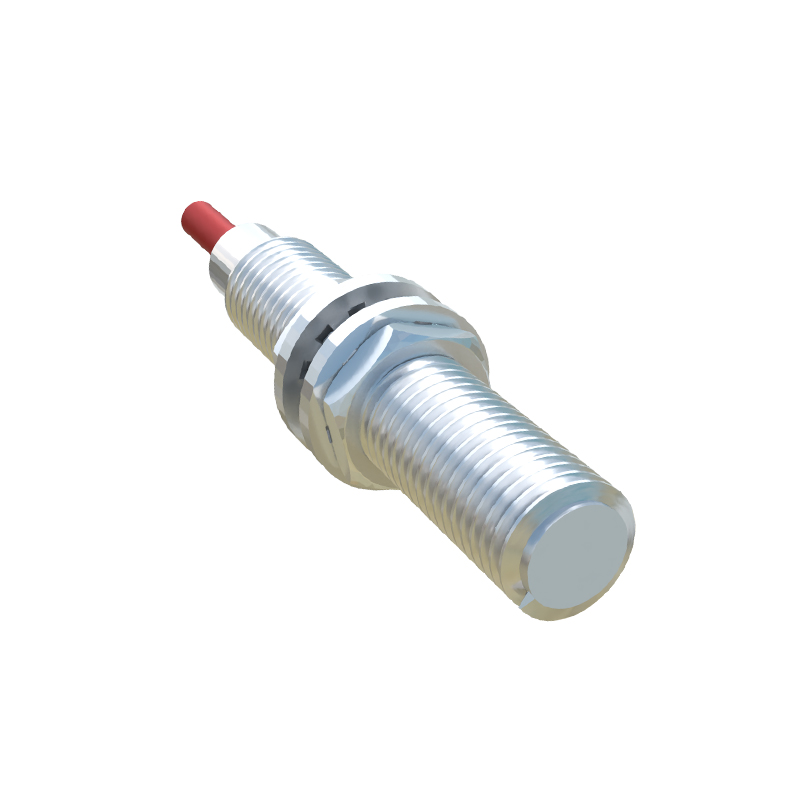
The evolution towards miniaturization and increased intelligence in sensors places even greater demands on sensing spring technology. As sensors become smaller to fit into compact machinery and IoT devices, the springs within them must also shrink while maintaining, or even improving, their mechanical and electrical performance. This drives innovation in manufacturing techniques, such as photochemical etching or advanced wire forming, which can produce incredibly small and consistent spring forms. Furthermore, the integration of smart sensor diagnostics now allows for the monitoring of performance parameters that can indirectly indicate spring fatigue or wear, enabling predictive maintenance before a failure occurs.
Ultimately, the sensing spring in a proximity sensor embodies a core principle of engineering: the pursuit of flawless reliability through the mastery of minute details. It is a component that operates in the shadows, unseen and unheralded, yet its failure can bring a sophisticated automated process to an abrupt halt. By ensuring a definitive mechanical action and stable electrical connection, this tiny spring upholds the very promise of proximity sensing—providing trustworthy, non-contact detection that forms the bedrock of efficiency, safety, and quality in automated systems across every industry. Its continued development remains tightly coupled with the advancing frontiers of automation technology.