In the rapidly evolving landscape of electrical engineering, laser switching platform sensors have emerged as pivotal components, driving innovation across industries such as manufacturing, telecommunications, and automation. These sensors utilize laser technology to enable precise, non-contact detection and switching operations, offering unparalleled accuracy and reliability in dynamic environments. Unlike traditional mechanical or optical sensors, laser-based systems operate at high speeds with minimal latency, making them ideal for applications requiring real-time data acquisition and control.
The core functionality of laser switching platform sensors revolves around their ability to emit focused laser beams that interact with target objects. When an object interrupts or reflects the beam, the sensor detects changes in light intensity or phase, triggering a switching action. This mechanism is highly sensitive, capable of detecting minute displacements or variations in material properties. For instance, in automated assembly lines, these sensors ensure precise positioning of components, reducing errors and enhancing throughput. Additionally, their non-contact nature minimizes wear and tear, leading to lower maintenance costs and extended operational lifespans.
Key advantages of laser switching platform sensors include their immunity to electromagnetic interference (EMI), which is crucial in electrically noisy environments. They also exhibit superior performance in harsh conditions, such as extreme temperatures or dusty settings, where conventional sensors might fail. Advanced models incorporate features like adjustable sensing ranges, multiple output options (e.g., digital or analog signals), and integration with IoT platforms for smart monitoring. Engineers can leverage these capabilities to design systems that optimize energy efficiency, improve safety protocols, and support predictive maintenance strategies.
In practice, laser switching platform sensors are deployed in diverse scenarios. In robotics, they facilitate accurate object recognition and navigation, enabling collaborative robots to operate safely alongside human workers. In the energy sector, they monitor equipment alignment in power grids or renewable energy installations, preventing failures and ensuring stable operations. Moreover, their role in quality control processes—such as inspecting semiconductor wafers or verifying packaging integrity—highlights their versatility. As Industry 4.0 gains momentum, these sensors are increasingly integrated into cyber-physical systems, where they contribute to data-driven decision-making and autonomous operations.
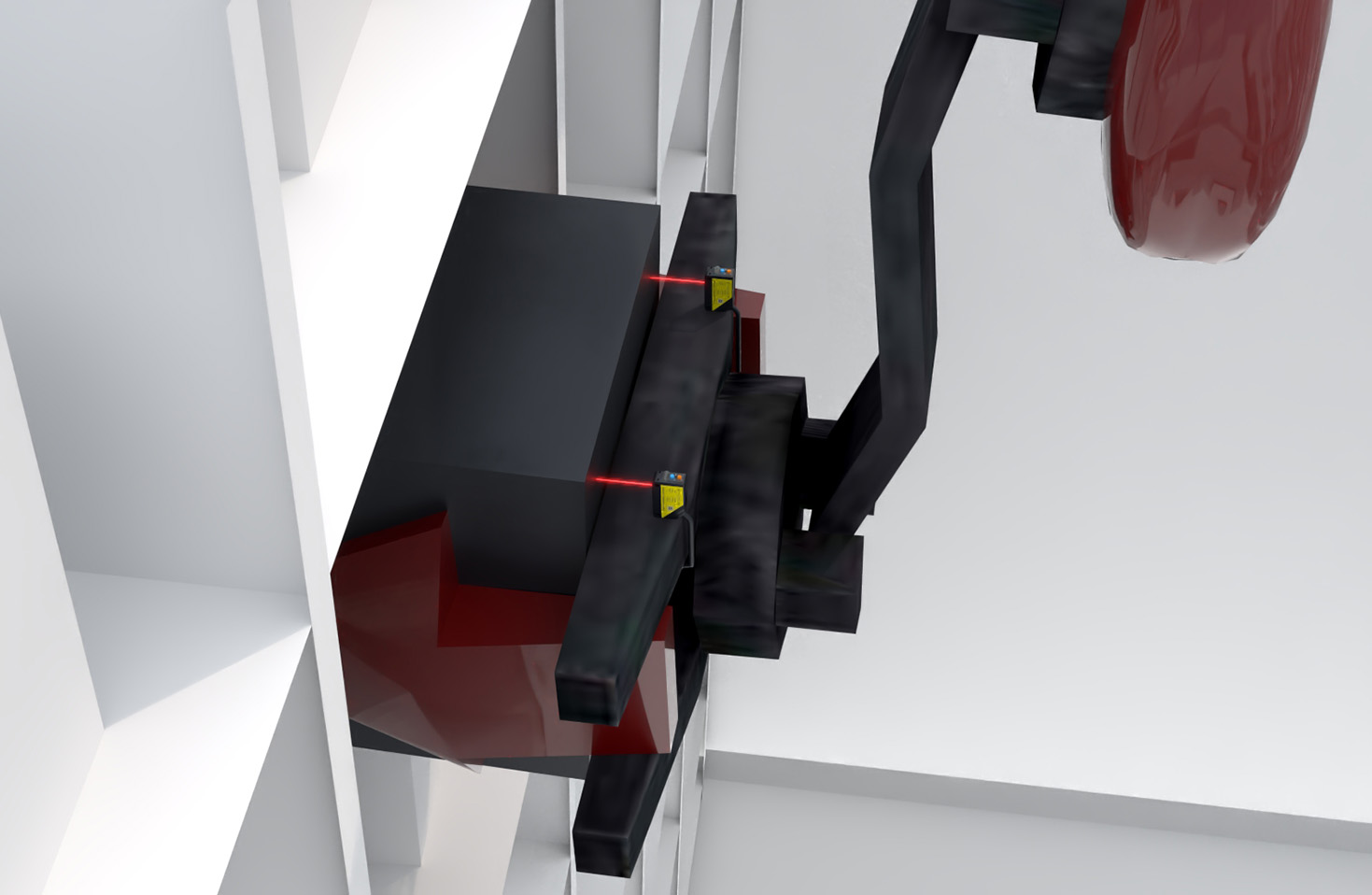
Looking ahead, ongoing research focuses on enhancing the precision and affordability of laser switching platform sensors. Innovations in miniaturization and fiber-optic integration promise to expand their applications into areas like medical devices or aerospace engineering. However, challenges remain, including the need for robust calibration methods and addressing potential safety concerns related to laser exposure. Engineers must adhere to international standards, such as IEC 60825, to ensure safe deployment. By embracing these advancements, the electrical engineering community can harness laser sensor technology to build more resilient, efficient, and intelligent infrastructures for the future.
