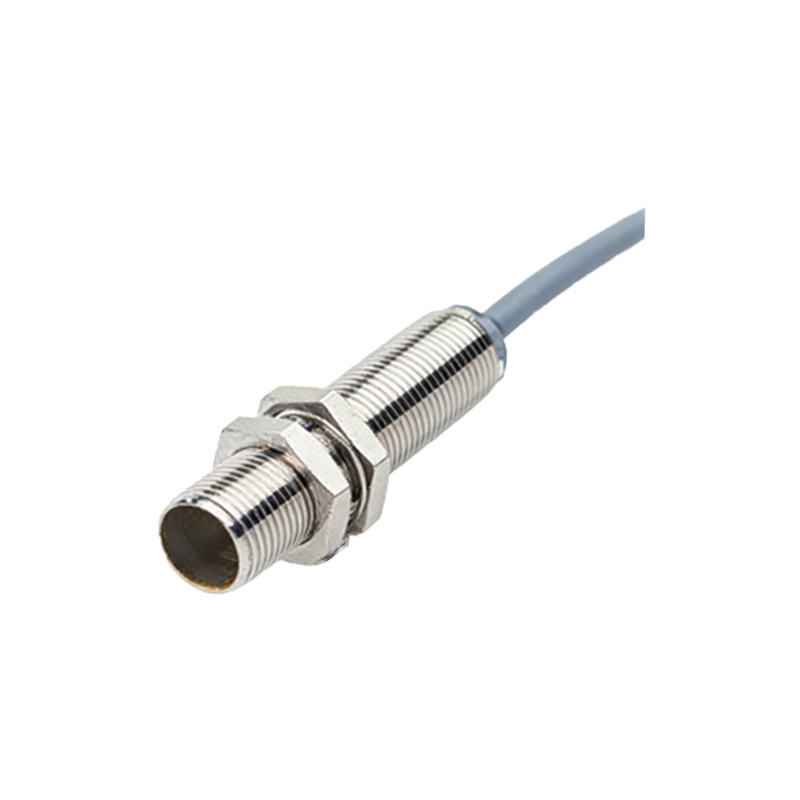
In demanding industrial environments, where temperature extremes are the norm, standard proximity sensors often fail. High and low temperature resistant proximity sensors are engineered specifically to overcome this challenge, providing reliable non-contact detection in conditions ranging from cryogenic freezers to foundry furnaces. This article delves into the core technology, critical applications, and essential selection criteria for these robust sensing devices.
The fundamental challenge in extreme-temperature sensing lies in the material science and electronic design. Standard sensors utilize components with operational temperature ranges typically between -25°C to +70°C. Beyond these limits, several failure modes occur: semiconductor properties drift, plastic housings and cable jackets become brittle or melt, lubricants in mechanical seals dry up or vaporize, and internal thermal expansion can cause permanent misalignment or fracture.
To combat this, high-temperature resistant proximity sensors are constructed with specialized materials. Housings are made from high-grade stainless steel (e.g., 316L), ceramic, or PEEK (Polyether Ether Ketone) polymers. The sensing face is often a high-purity alumina ceramic, which maintains excellent dielectric properties and resistance to thermal shock. Internally, high-temperature solder and potting compounds, often silicone-based, are used to encapsulate the oscillator coil and circuitry, protecting them from thermal stress and condensation. For low-temperature applications, typically down to -40°C and beyond to -196°C (cryogenic), materials must resist embrittlement. Special low-temperature cables with fluoropolymer insulation (like Teflon) and seals made from fluorocarbon or specialized elastomers are mandatory.
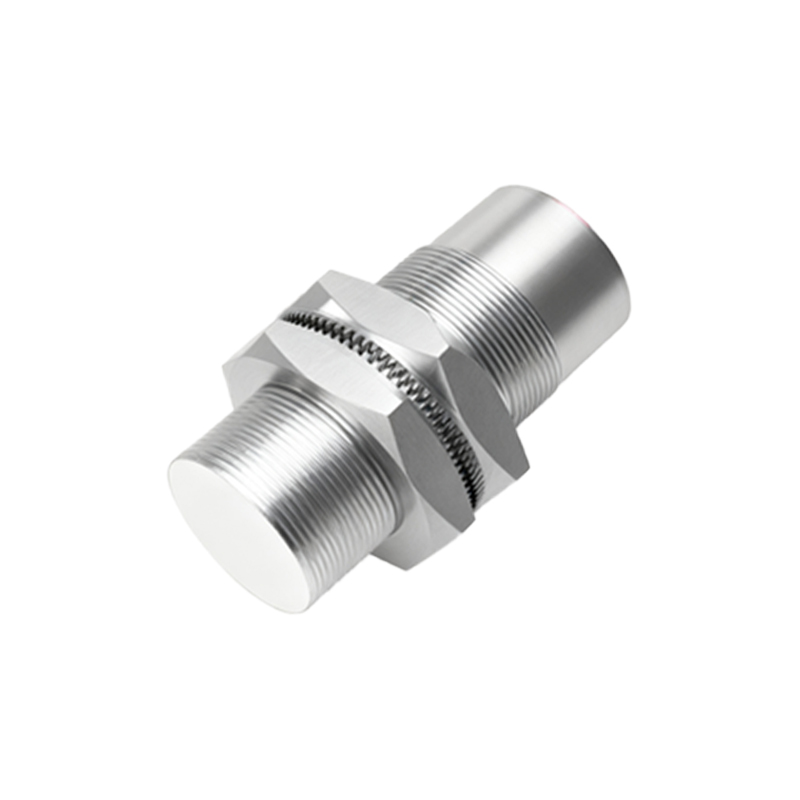
The sensing technology itself is predominantly inductive, detecting metallic targets. However, the oscillator circuit design is optimized for thermal stability. Temperature compensation algorithms are often integrated into the ASIC (Application-Specific Integrated Circuit) to minimize switching point drift across the specified range. For ultra-high temperatures, where even compensated electronics cannot survive, a unique design employs a passive resonant circuit in the sensor head, connected via a long cable to a remote amplifier unit located in a controlled environment. The head contains only a coil and capacitor, with no active electronics, allowing it to function in ambient temperatures exceeding 200°C, and even up to 250°C for short periods.
Key application areas highlight their necessity. In the automotive industry, they are used in paint shop ovens, monitoring hanger positions through curing cycles at 180-210°C. In food and pharmaceutical processing, they ensure packaging line integrity in both sterilization autoclaves (high temp) and blast freezers (low temp). Metal casting and forging operations rely on them for mold position detection and robotic handling near molten metal. In cryogenics, they monitor valve positions in LNG facilities or within scientific research equipment. Renewable energy sectors, particularly solar thermal power plants, use them in heat collection systems with extreme daily temperature cycles.
Selecting the right sensor requires careful analysis of several parameters beyond just the ambient temperature. First, define the sustained operating temperature and any peak exposure temperatures. Consider the target material and the required sensing distance; note that the rated sensing distance (Sn) can be derated at temperature extremes. The thermal mass and conductivity of both the sensor and the target affect performance—a small, hot metal target may cool rapidly when approaching a large, cold sensor body. Installation method is critical: flush or non-flush mounting, and the material of the mounting bracket (which should have a similar coefficient of thermal expansion to avoid stress). Electrical connection types must be rated for the temperature; pre-molded cables with high-temperature ratings are preferred over standard PVC varieties. Finally, certifications like ATEX or IECEx for hazardous areas may impose additional temperature class (T-rating) requirements.
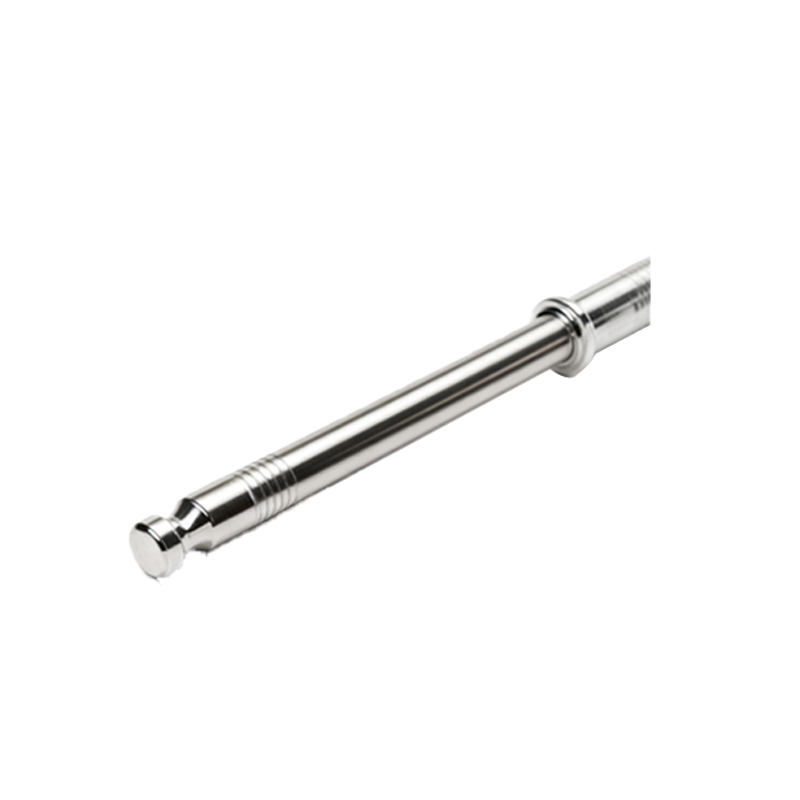
Maintenance and installation best practices include allowing for thermal expansion in mounting, ensuring no direct flame impingement or radiant heat on the sensor body unless specifically rated for it, and using proper thermal barriers or heat sinks if necessary. Regular functional checks are advised, as extreme cycling can accelerate aging of seals and potting materials.
In conclusion, high and low temperature resistant proximity sensors are not merely ruggedized versions of standard models but are the product of deliberate material selection and innovative electronic design. They enable automation in the most hostile thermal environments, ensuring process reliability, safety, and efficiency. By understanding their construction, operating principles, and application nuances, engineers can specify the correct sensor, avoiding costly downtime and ensuring long-term operational integrity where conventional sensors would swiftly perish.