Proximity sensors are indispensable components in modern industrial automation, serving as the critical "eyes" of machinery by detecting the presence or absence of objects without physical contact. The core functionality of any proximity sensor is ultimately defined by its output signal, which is the electrical interface communicating the detection event to a control system like a PLC (Programmable Logic Controller). Selecting the correct output type is paramount for ensuring system reliability, compatibility, and performance. This article delves into the primary types of proximity sensor output signals, their characteristics, and typical application scenarios.
The most fundamental distinction in output signals lies between Digital (Discrete) and Analog outputs. Digital outputs provide a simple ON/OFF signal, indicating whether a target is within the sensor's sensing range or not. This binary operation is the backbone of countless automation tasks. Within the digital category, there are two primary configurations defined by the type of switching element used: NPN (Sinking) and PNP (Sourcing). This terminology refers to the transistor technology employed in the sensor's output stage. An NPN output switches the negative or 0V line to the load. When active, it connects the load to common negative, effectively "sinking" current. Conversely, a PNP output switches the positive voltage supply line to the load, "sourcing" current to it. The choice between NPN and PNP is primarily determined by the electrical conventions of the control system's input card; using an incompatible type will result in a non-functional circuit. A related, though less common, digital type is the Push-Pull (or Complementary) output, which incorporates both NPN and PNP transistors, allowing it to interface with either sinking or sourcing inputs, offering greater flexibility.
Analog outputs provide a continuously variable signal proportional to the distance between the sensor and the target. Instead of a simple ON/OFF, the output voltage or current changes in relation to the measured gap. The most common analog standards are 0-10V DC and 4-20mA current loops. A 4-20mA signal is particularly prized in industrial environments for its high noise immunity over long cable runs. Analog sensors are essential for applications requiring precision measurement, such as monitoring roll diameters, controlling tension, or positioning objects within a tolerance window. They provide the granular data necessary for nuanced process control that digital ON/OFF signals cannot offer.
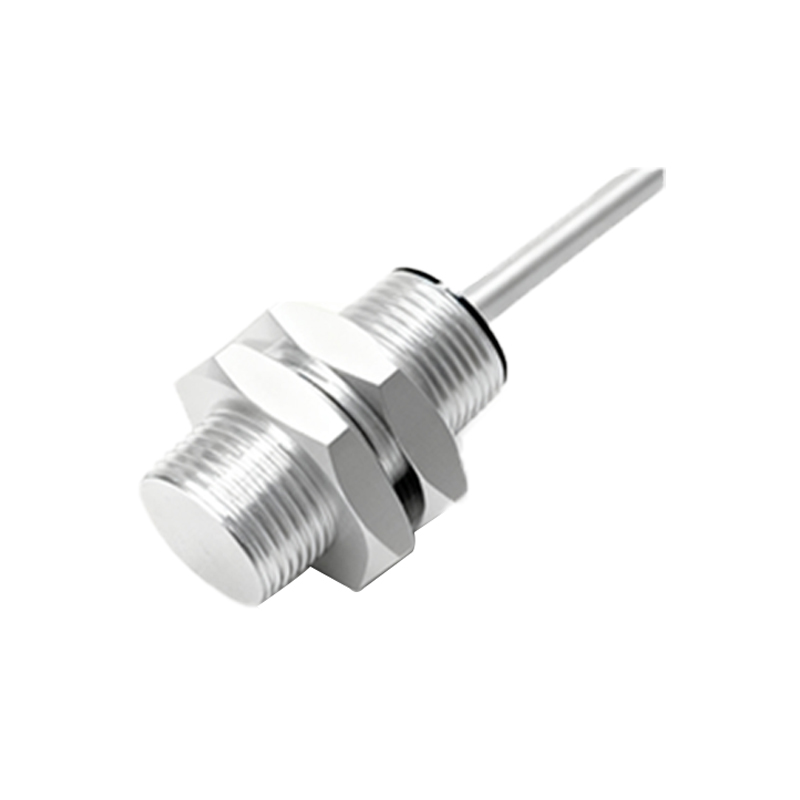
A third category, IO-Link, represents the evolution of sensor communication into the digital industrial communication sphere. IO-Link is a point-to-point serial communication protocol that uses a standard 3-wire sensor cable (24V, 0V, and Signal). An IO-Link sensor can provide not just a simple switched signal (via its Process Data), but also a wealth of digital information (Parameter and Event Data). This includes detailed diagnostics (e.g., operating hours, temperature warnings), the ability to remotely change parameters (like sensing range or output delay), and access to the raw analog value from the sensing element. This transforms a simple proximity switch into an intelligent device that supports predictive maintenance and flexible production line changes.
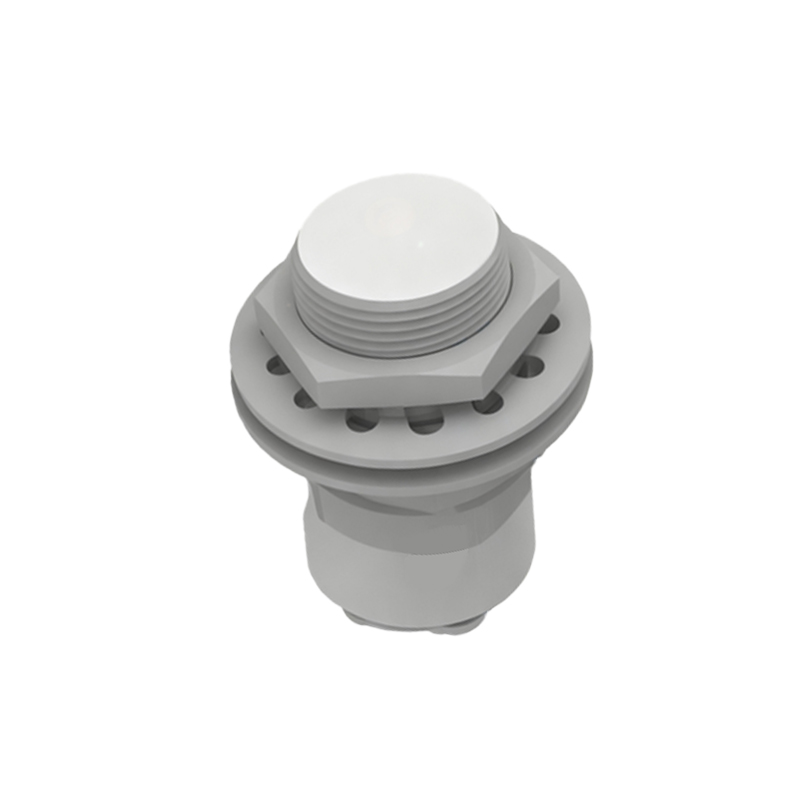
The application dictates the optimal output choice. For simple object detection, counting, or end-position sensing—such as confirming a robotic gripper is closed, detecting a bottle on a conveyor, or initiating a machine cycle—a standard digital (NPN or PNP) sensor is perfectly adequate and cost-effective. Analog outputs are the clear choice for measurement and control tasks. Examples include monitoring the thickness of a material web, controlling the fill level in a tank by sensing a float position, or ensuring precise gap control in assembly machinery. IO-Link sensors shine in complex, data-driven, or highly flexible automation systems. They are ideal for lines producing multiple products where sensor parameters need quick changeovers, for installations where remote diagnostics reduce downtime, or for gathering detailed process data for quality assurance and optimization.
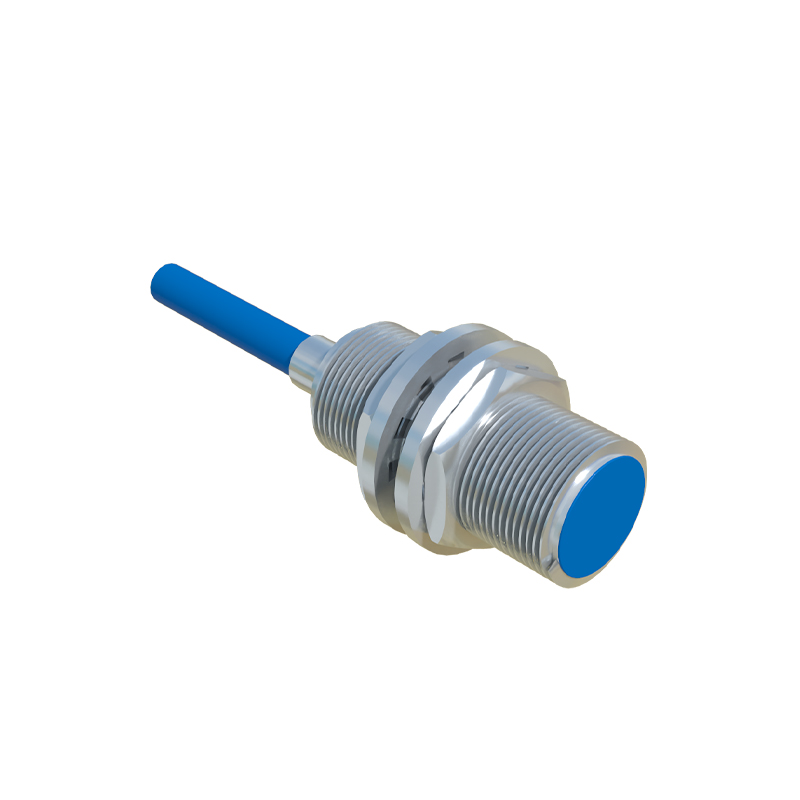
Several key parameters must be considered alongside the output type when integrating a sensor. The Load type is crucial: standard transistor outputs are designed for DC loads like PLC inputs, relays, or solenoids. For directly controlling an AC load, a solid-state relay or an electromechanical relay with a suitable rating must be used as an intermediary. Short-Circuit and Reverse Polarity Protection are vital features that safeguard both the sensor and the control system from wiring errors or fault conditions. The Switching Frequency specifies how quickly the output can turn ON and OFF, measured in Hertz (Hz). A high-speed packaging line requires a sensor with a much higher switching frequency than one used for detecting large pallets. Finally, Output Delay (On-Delay/Off-Delay) functions, often adjustable, can be used to filter out signal chatter or ensure a signal is maintained for a minimum time.
In conclusion, the output signal is the voice of the proximity sensor. Understanding the distinct languages of Digital (NPN/PNP), Analog