In the world of industrial automation, machinery, and countless electronic devices, there exists a silent, unseen guardian of efficiency and safety: the proximity sensor. Often referred to as a proximity switch, this technology is fundamental to modern manufacturing and smart systems. Unlike mechanical switches that require physical contact, proximity sensors detect the presence or absence of an object within a specified range without any physical touch. This non-contact operation is their defining characteristic, leading to remarkable reliability, longevity, and speed.
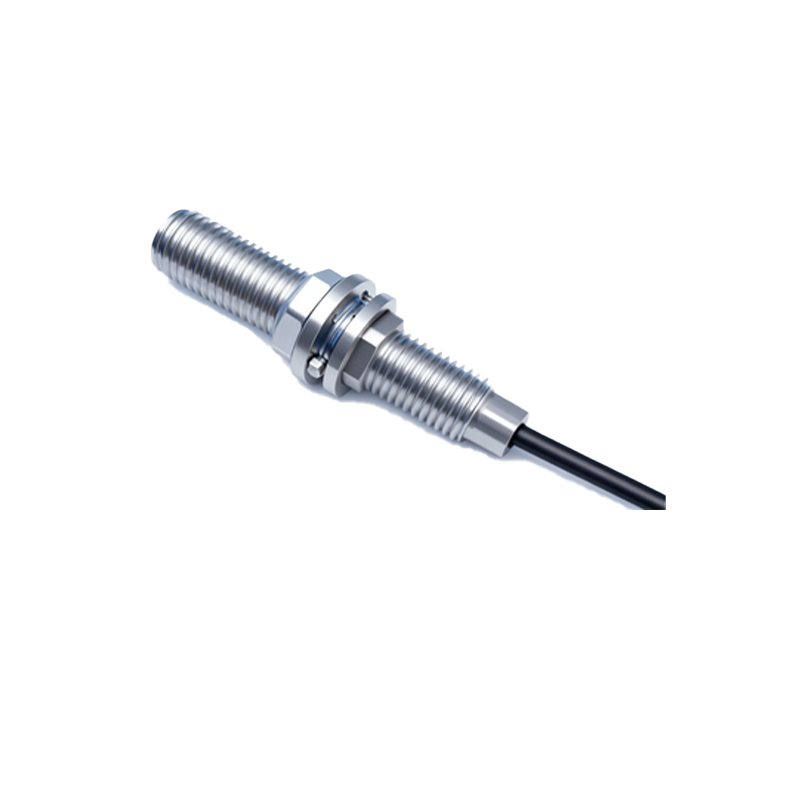
The core principle behind most proximity sensors is electromagnetic or capacitive field disturbance. Inductive proximity sensors, one of the most common types, generate an oscillating electromagnetic field from their sensing face. When a metallic object, typically ferrous metals like iron or steel, enters this field, it induces eddy currents on the object's surface. This causes a change in the oscillation amplitude, which the sensor's internal circuitry detects and converts into a clear output signal—switching a load on or off. These sensors are workhorses in factories, used for tasks like counting metal parts, detecting piston position in cylinders, or ensuring machine tool alignment.
For non-metallic targets, such as plastic, wood, glass, or liquids, capacitive proximity sensors are the solution. They function by generating an electrostatic field. Any object that enters this field, regardless of its material, alters the capacitance of the system. This change is measured, triggering the switch output. This makes them ideal for level detection in tanks (liquid or granular materials), detecting filled bottles on a conveyor, or touch-sensitive control panels.
Another prominent category is the ultrasonic proximity sensor. These devices emit high-frequency sound waves and measure the time it takes for the echo to return. By calculating this time-of-flight, they can determine not just presence, but also the distance to an object. They are excellent for challenging environments with dust, smoke, or varying light conditions, and are used in applications like parking assistance systems, robotic palletizing, and bulk material level sensing.
Photoelectric sensors, while sometimes categorized separately, also serve as proximity switches. They use a light beam (often infrared, laser, or visible LED) and detect its interruption or reflection to sense an object. Through-beam, retro-reflective, and diffuse (proximity) modes offer solutions for long-range detection or precise positioning of objects of almost any material.
The term "proximity switch" specifically emphasizes the sensor's function as a binary control device—it provides a discrete "on/off" signal, much like a traditional mechanical limit switch, but without the wear and tear. This output is typically used to control relays, PLC (Programmable Logic Controller) inputs, or other actuators, forming the backbone of automated control logic.
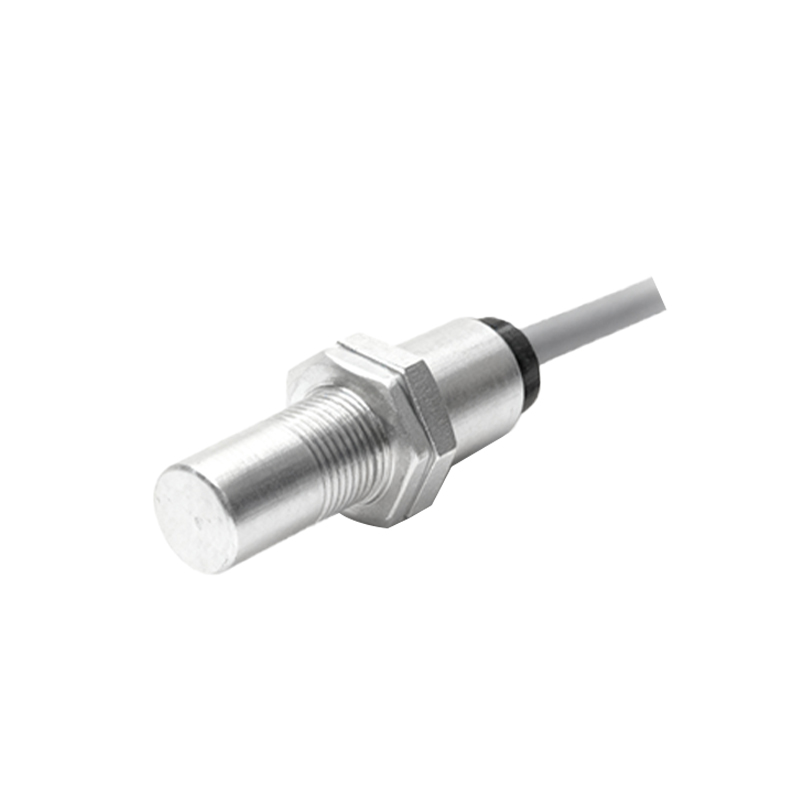
The advantages of using proximity sensors are substantial. Their non-contact nature eliminates mechanical wear, granting them an exceptionally long operational life, often measured in millions of cycles. They operate at high speeds, capable of detecting objects passing by at rapid rates, which is crucial for high-speed production lines. Since there is no physical contact, there is no risk of damaging either the sensor or the target object. They are also highly resistant to environmental contaminants like oil, coolant, and dust when properly housed, making them robust for harsh industrial settings.
When selecting a proximity sensor for an application, several key factors must be considered. The sensing distance, or nominal range, is critical and is usually specified for a standard target. The target material (metal, plastic, etc.) dictates whether an inductive, capacitive, or other type is needed. The output type (NPN or PNP transistor, normally open or normally closed) must be compatible with the control system's input card. Environmental conditions such as temperature, potential washdowns, or exposure to chemicals will determine the required housing material and protection rating (e.g., IP67).
From the precise assembly of circuit boards to the massive automated lines in automotive plants, proximity sensors are indispensable. They ensure robots operate within safe zones, verify that parts are correctly positioned before a welding operation, and manage inventory by counting boxes on a conveyor. As Industry 4.0 and the Internet of Things (IoT) advance, smart proximity sensors with integrated IO-Link communication are becoming prevalent, providing not just switch signals but also diagnostic data like temperature, operating hours, and signal strength for predictive maintenance.
In conclusion, proximity sensors and switches are far more than simple detection devices. They are the essential sensory organs of automated systems, enabling precise, reliable, and efficient control. Their evolution continues to push the boundaries of what's possible in automation, making processes smarter, safer, and more productive across every industry they touch.