The global industrial automation landscape continues to evolve, driving demand for reliable and precise sensing solutions. Among these, cylindrical capacitive proximity sensors have carved out a significant niche, distinguished by their versatility in detecting both metallic and non-metallic objects. This analysis delves into the current market dynamics, technological advancements, and future growth trajectories for these essential components.
Market drivers are multifaceted. The push toward Industry 4.0 and smart manufacturing is a primary catalyst. These sensors are integral to automated assembly lines, packaging machinery, and material handling systems, where they provide non-contact detection of materials like plastics, glass, liquids, and wood chips—applications where inductive sensors fall short. The expansion of the food and beverage, pharmaceutical, and chemical processing industries, with their stringent hygiene and material compatibility requirements, has further bolstered adoption. Cylindrical capacitive sensors, often available in stainless steel or PBT housings with IP67/IP69K ratings, meet these demands for washdown environments and corrosive atmospheres.
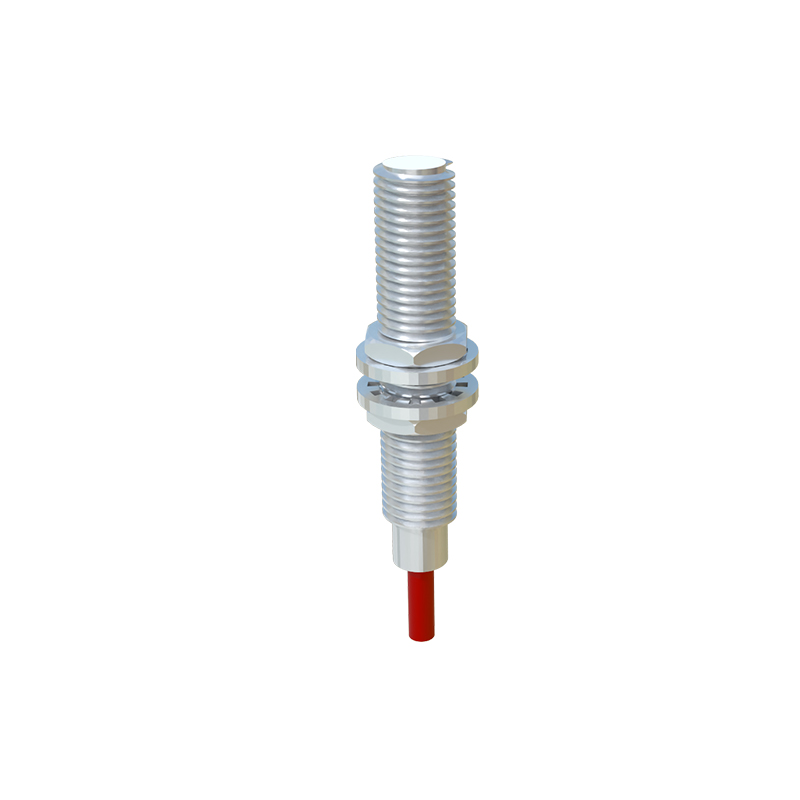
Technologically, the market is witnessing a shift toward miniaturization and enhanced intelligence. Manufacturers are developing compact form factors without sacrificing sensing range or performance. Integration of IO-Link communication is becoming a standard feature, enabling predictive maintenance, parameterization on-the-fly, and seamless integration into Industrial IoT (IIoT) ecosystems. This digital transformation allows for real-time monitoring of sensor health and process data, reducing downtime and optimizing production flow. Additionally, improvements in noise immunity and temperature stability have expanded their usability in challenging electromagnetic environments and extreme temperatures.
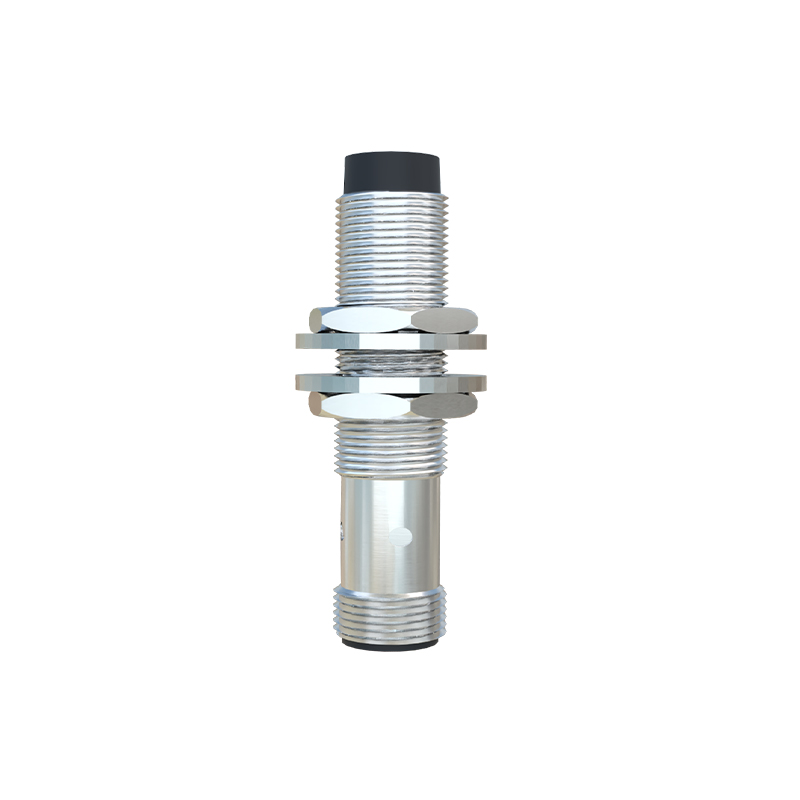
From a regional perspective, Asia-Pacific holds the largest market share, fueled by massive manufacturing bases in China, Japan, and South Korea. North America and Europe follow closely, with growth driven by the modernization of existing industrial infrastructure and high investments in automotive and aerospace sectors. The competitive landscape is characterized by the presence of established players like Siemens, Omron, Pepperl+Fuchs, and Balluff, alongside numerous specialized manufacturers. Competition revolves around product differentiation through sensing range, housing materials, output configurations (PNP/NPN, analog, IO-Link), and cost-effectiveness.
However, the market faces constraints. Price sensitivity in cost-driven industries and competition from alternative technologies, such as ultrasonic sensors for certain non-metallic applications, pose challenges. Furthermore, the technical complexity of correctly tuning capacitive sensors to ignore interfering backgrounds (like conveyor belts or container walls) can be a barrier for some end-users, emphasizing the need for better user education and simplified calibration processes.
Looking ahead, the outlook remains robust. The proliferation of collaborative robots (cobots) and automated guided vehicles (AGVs) presents new avenues for application, where these sensors ensure safe human-machine interaction and precise navigation. The growing emphasis on sustainability and efficient resource management in manufacturing will also spur demand, as capacitive sensors contribute to reducing material waste and energy consumption through precise level detection and process control. Market analysts project a steady compound annual growth rate (CAGR), with innovation in embedded diagnostics and hybrid sensing technologies paving the way for next-generation products.
In conclusion, the cylindrical capacitive proximity sensor market is on a growth trajectory underpinned by industrial digitalization. Success for stakeholders will hinge on continuous innovation, addressing application-specific challenges, and providing comprehensive solutions that extend beyond mere hardware to include software and connectivity services. As factories become smarter, these humble yet critical sensors will continue to be the silent workhorses enabling efficiency, safety, and flexibility on the shop floor.