In the rapidly evolving landscape of industrial automation, green proximity sensors have emerged as a critical component for enhancing efficiency, safety, and sustainability. As an experienced electrical engineer, I frequently encounter inquiries regarding the pricing of these sophisticated devices. Understanding the cost structure is not merely about comparing price tags; it involves a nuanced analysis of technology, performance, and long-term value.
The term "green" in this context typically refers to sensors designed with environmental considerations, such as energy efficiency, reduced material usage, long lifespan, and compliance with regulations like RoHS and REACH. However, it can also denote sensors used in specific applications like renewable energy systems or green manufacturing processes. This dual meaning directly influences the price point.
The price range for green proximity sensors is broad, typically spanning from $50 to $500 or more per unit. This variance is dictated by several core factors. First, the sensing technology—inductive, capacitive, ultrasonic, or photoelectric—carries different development and manufacturing costs. Inductive sensors, common for metal detection, are often at the lower end for standard models, while specialized ultrasonic or long-range photoelectric sensors command a premium.
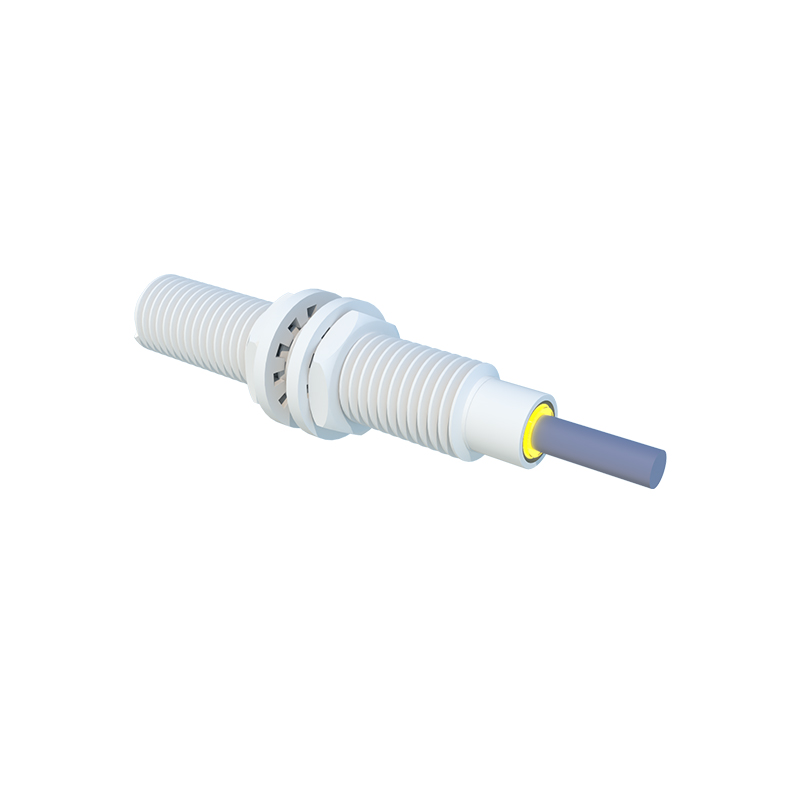
Second, performance specifications are paramount. Sensing range, repeat accuracy, response time, and housing material (e.g., stainless steel vs. PBT plastic) significantly impact cost. A sensor with a 20mm range and IP67 rating will cost less than a hermetically sealed sensor with a 50mm range and IP69K rating designed for harsh washdown environments. Third, output configuration (PNP/NPN, analog, IO-Link) and connection type (cable or connector) add layers to the base price. Sensors with smart features like IO-Link, which enable predictive maintenance and detailed diagnostics, represent a higher initial investment but offer substantial savings through reduced downtime.
Brand reputation and supply chain stability are also crucial price determinants. Established manufacturers like Siemens, Omron, Pepperl+Fuchs, and Balluff often price their sensors higher, justified by rigorous testing, global certification, reliable warranties, and extensive technical support. Conversely, generic or lesser-known brands may offer lower upfront costs but pose risks regarding consistency, longevity, and availability.
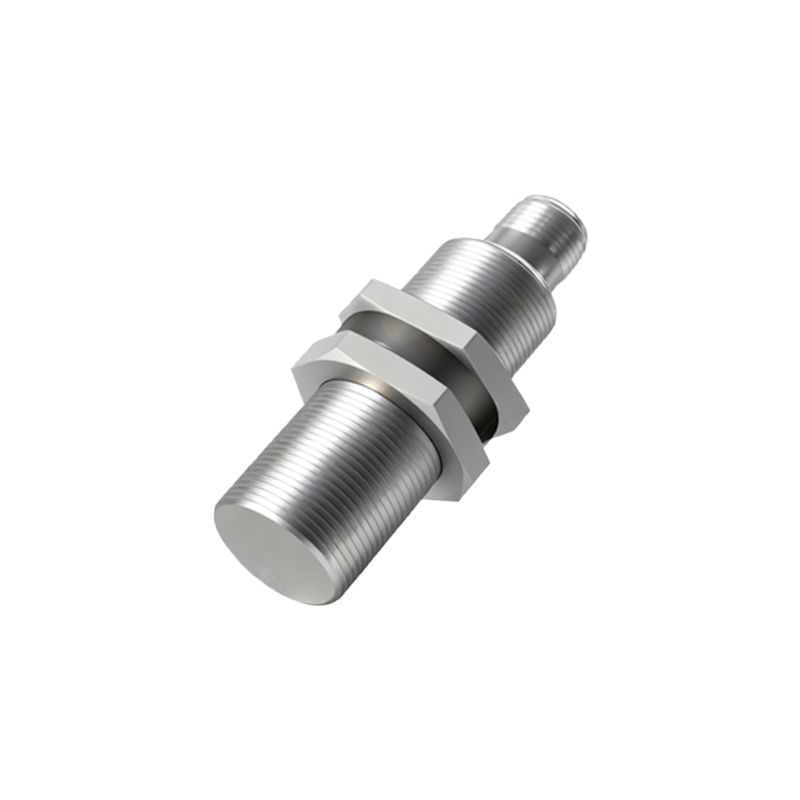
When making a price inquiry, it is essential to provide detailed application requirements. Specify the target material, required sensing distance, operating voltage, environmental conditions (temperature, presence of chemicals or dust), and necessary certifications. A vague request will yield a generic quote, potentially leading to under-specification or unnecessary over-expenditure.
Beyond the unit price, consider the Total Cost of Ownership (TCO). A slightly more expensive, energy-efficient sensor with a MTBF (Mean Time Between Failures) of 100,000 hours may prove far more economical than a cheaper alternative requiring frequent replacement and causing production halts. Furthermore, bulk purchasing for large-scale projects often attracts significant discounts, and exploring distributor partnerships can lead to favorable contractual pricing.
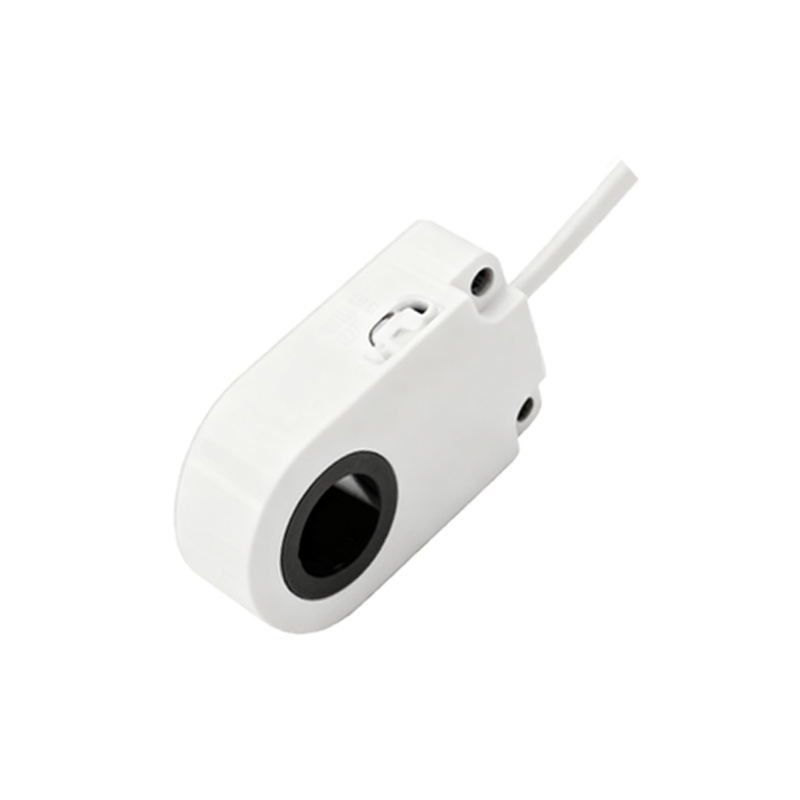
The market is also witnessing a trend where the integration of IIoT capabilities is becoming a standard expectation, subtly shifting the average price upward. However, this intelligence unlocks data-driven optimization, contributing to greener operations by minimizing waste and energy consumption.
In conclusion, consulting on the price of a green proximity sensor necessitates a holistic view. It is a balance between technical necessity, operational reliability, environmental compliance, and financial prudence. Engage with suppliers not just as vendors, but as solution partners. Request detailed datasheets, ask for lifecycle cost analyses, and if possible, test samples in your actual application. The optimal choice is rarely the cheapest on the list; it is the one that delivers unwavering performance, aligns with your sustainability goals, and minimizes hidden costs over its entire service life, thereby ensuring a truly efficient and responsible automation investment.