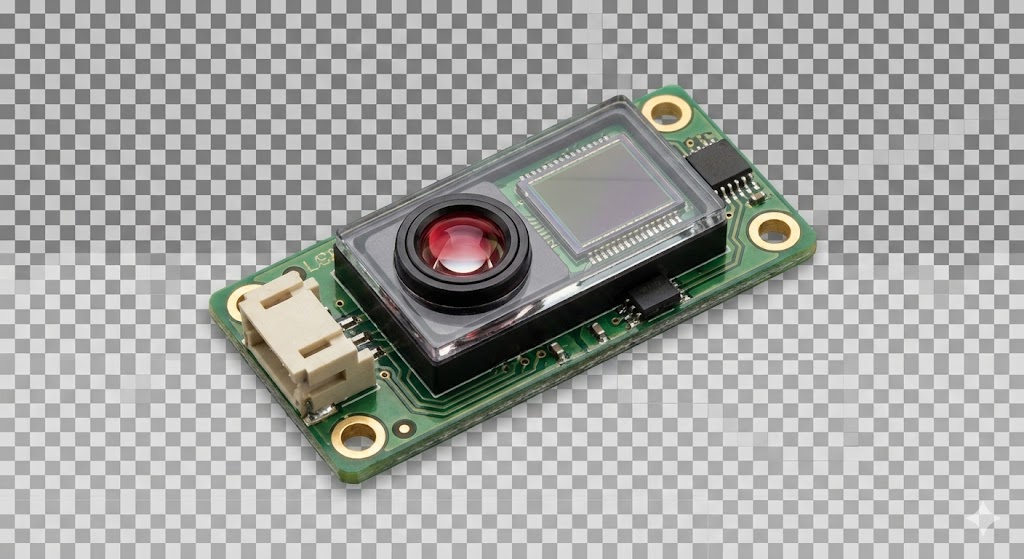
Laser inductive sensor devices represent a pivotal advancement in industrial automation, offering unparalleled precision and reliability in diverse operational environments. These sensors utilize laser technology combined with inductive principles to detect objects, measure distances, and monitor processes with high accuracy. Unlike traditional sensors, laser inductive sensors operate by emitting a focused laser beam that interacts with metallic or reflective surfaces, while the inductive component enhances sensitivity to conductive materials, making them ideal for harsh conditions involving dust, moisture, or temperature variations.
In industrial settings, laser inductive sensors are commonly deployed for tasks such as position sensing, object counting, and quality control. For instance, in automotive manufacturing, they ensure precise alignment of components on assembly lines, reducing errors and improving efficiency. The integration of these sensors with programmable logic controllers (PLCs) allows for real-time data acquisition and automated adjustments, fostering smarter production systems. Key advantages include non-contact operation, which minimizes wear and tear, and fast response times, often in the microsecond range, enabling high-speed applications in packaging, robotics, and material handling.
The technical architecture of laser inductive sensors involves a laser diode, an inductive coil, and a signal processing unit. The laser diode emits light that reflects off a target, with the reflected signal captured by a receiver. Simultaneously, the inductive coil generates an electromagnetic field to detect conductive objects, even in non-line-of-sight scenarios. This dual mechanism ensures robust performance across varying materials and environmental factors. Modern iterations incorporate features like adjustable sensing ranges, digital outputs, and self-diagnostic capabilities, enhancing adaptability and maintenance ease.

When selecting a laser inductive sensor, engineers must consider parameters such as sensing distance, resolution, and environmental ratings. For example, sensors with IP67 or higher ingress protection are suited for wet or dusty areas, while those with high-resolution optics excel in precision measurement tasks. Calibration and alignment are critical for optimal functionality; misalignment can lead to false readings or reduced sensitivity. Regular maintenance, including lens cleaning and firmware updates, prolongs device lifespan and ensures consistent accuracy.
Emerging trends in laser inductive sensor technology focus on miniaturization, energy efficiency, and IoT connectivity. Innovations like embedded AI algorithms enable predictive maintenance by analyzing sensor data for anomalies, reducing downtime. Additionally, the adoption of Industry 4.0 standards facilitates seamless integration with cloud-based monitoring systems, allowing remote control and data analytics. These developments are driving adoption in sectors beyond manufacturing, such as aerospace, healthcare, and smart infrastructure, where precision and reliability are paramount.

In conclusion, laser inductive sensor devices are indispensable tools in modern industrial ecosystems, bridging the gap between mechanical processes and digital automation. Their ability to deliver accurate, real-time feedback supports enhanced productivity, safety, and cost-effectiveness. As technology evolves, these sensors will continue to play a crucial role in advancing industrial innovation, empowering engineers to tackle complex challenges with greater confidence and efficiency.