In the dynamic landscape of industrial automation and machinery, magnetic proximity sensors stand as critical components for reliable, non-contact detection. As a seasoned electrical engineer with extensive field experience, I understand that procuring the right sensor involves more than just a price check; it requires a detailed technical consultation to ensure optimal performance and cost-efficiency. This guide outlines the key factors to consider when seeking a consultation and quotation for magnetic proximity sensors, empowering you to make informed decisions.
Magnetic proximity sensors operate by detecting the presence of a magnetic field, typically from a permanent magnet. Their primary advantage lies in their ability to function in harsh environments—resistant to dust, dirt, oil, and moisture—where optical or inductive sensors might fail. Common applications include position sensing in cylinders, speed monitoring on conveyors, and end-of-travel detection in automated systems. When initiating a consultation, clearly defining the application is the first crucial step. Suppliers need to know the operating environment (temperature ranges, potential exposure to chemicals or washdowns), the required sensing distance, the type of target magnet (size, strength, orientation), and the desired electrical output (PNP/NPN, NO/NC, analog, or IO-Link).
The technical specifications form the core of any quotation. Key parameters to discuss include:
1. Sensing Distance: The nominal operating distance. Ensure the quoted sensor's range accommodates any mechanical tolerances in your setup.
2. Hysteresis: The difference between the switch-on and switch-off points, which prevents chatter in unstable conditions.
3. Electrical Data: Operating voltage (e.g., 10-30V DC), current consumption, and output type. Compatibility with your PLC or control system is paramount.
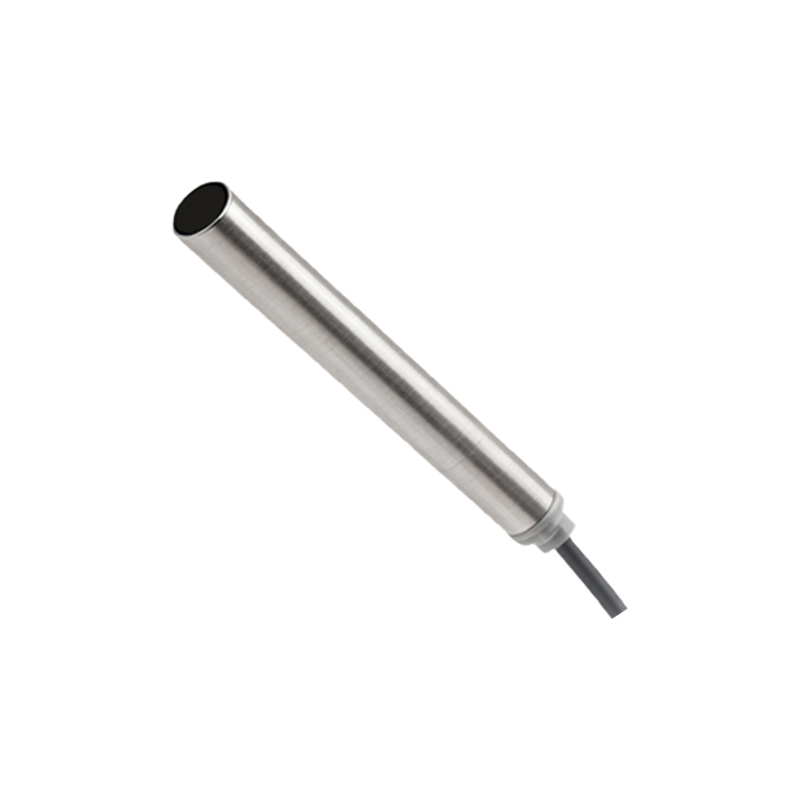
4. Housing Material: Typically stainless steel (e.g., 303, 304, 316) or nickel-plated brass. The choice depends on corrosion resistance needs.
5. Protection Rating: IP67 and IP69K ratings are standard for demanding industrial environments, ensuring protection against dust and high-pressure water jets.
6. Temperature Range: Standard sensors operate from -25°C to +70°C, but extended ranges are available for extreme conditions.
7. Electrical Connection: Options include pre-wired cables, quick-disconnect (M8, M12 connectors), or terminal boxes.
A comprehensive quotation should break down costs transparently. Beyond the unit price per sensor, inquire about:
Volume Discounts: Pricing often scales significantly with order quantity.
Lead Time: Standard vs. expedited shipping, especially for custom configurations.
Accessories: Cost of mounting brackets, magnets, connectors, or junction boxes if not included.
Certifications: Sensors for specific industries (e.g., food & beverage, marine) may require additional certifications like FDA compliance or ATEX for hazardous areas, which impact cost.
To streamline the consultation process, prepare a detailed request for quotation (RFQ). Include a description of the machine or process, a list of the required specifications (as above), the annual usage volume, and your target price point if applicable. Reputable suppliers will not only provide a price but also offer technical support. Engage with engineers who ask probing questions about your application; this indicates a partnership aimed at providing a reliable solution, not just a product.
Finally, consider the total cost of ownership. A slightly higher initial investment in a robust, high-quality sensor from a reliable manufacturer often outweighs the frequent failures and downtime associated with inferior products. Evaluate the supplier's warranty, technical support availability, and reputation for quality.
In conclusion, obtaining an accurate and valuable quotation for magnetic proximity sensors is an engineering dialogue. By providing detailed application data and understanding the critical specifications, you enable suppliers to propose the most effective and economical solution. Prioritize technical collaboration alongside cost to ensure the sensors integrate seamlessly, deliver long-term reliability, and support the uninterrupted efficiency of your operations.