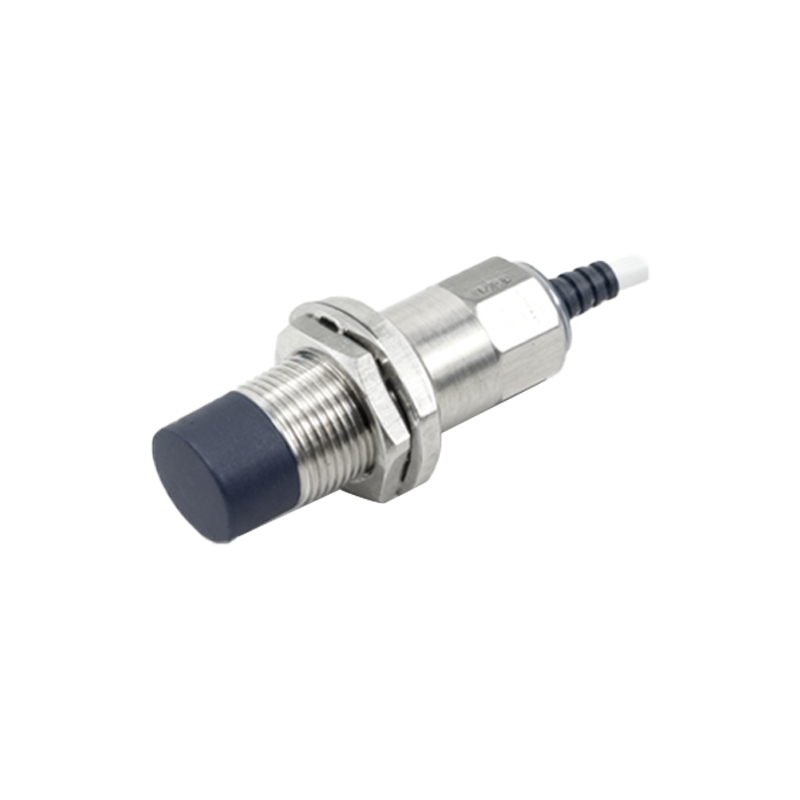
In the realm of industrial automation and control systems, the classification and functionality of components are paramount for design and application. A common inquiry among engineers and technicians is whether magnetic proximity switches fall under the category of sensors. This article delves into the technical intricacies, operational principles, and industry standards to provide a clear, authoritative perspective.
Fundamentally, a sensor is defined as a device that detects or measures a physical property and records, indicates, or otherwise responds to it. It converts a physical parameter from the real world into an electrical signal that can be interpreted by a control system. Magnetic proximity switches operate based on the detection of a magnetic field, typically from a permanent magnet. When a ferromagnetic target (such as a gear tooth, actuator, or simply a magnet) approaches the switch's sensing face, it alters the internal magnetic circuit. This change triggers a solid-state switching element—like a reed switch or a Hall-effect integrated circuit—to change its output state, usually from open to closed (or vice-versa), thereby providing a discrete on/off signal.
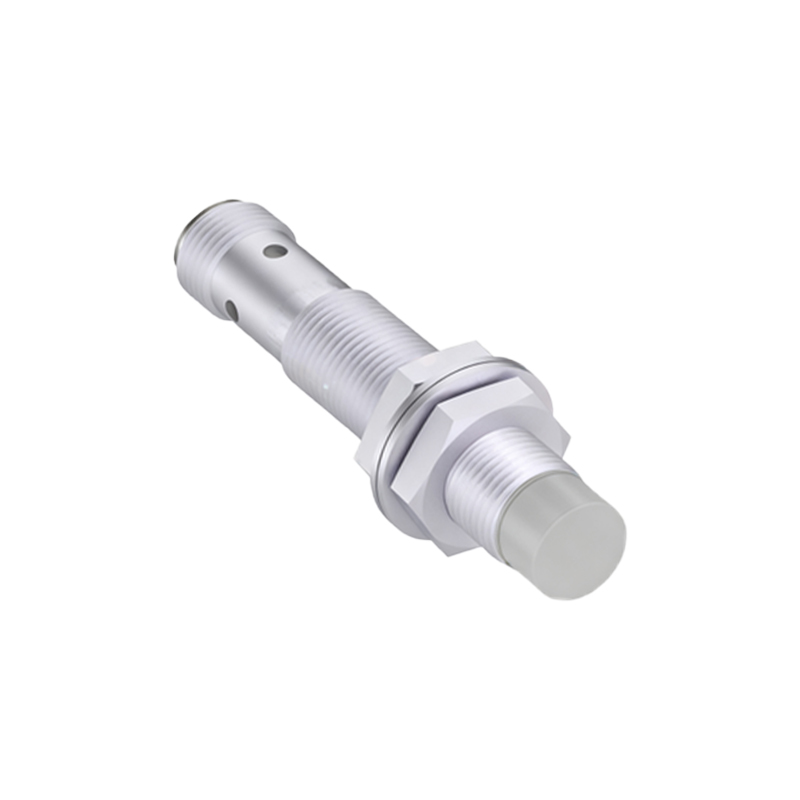
From this operational description, it is evident that a magnetic proximity switch performs the core function of sensing: it detects the presence or absence of a magnetic field (a physical property) and converts this detection into a usable electrical signal. Therefore, in both principle and practice, magnetic proximity switches are unequivocally a type of sensor. More specifically, they are a subset of proximity sensors, which are non-contact devices designed to detect the presence of an object without physical contact.
The industry widely recognizes and categorizes them as such. Major standards organizations and technical literature classify magnetic proximity switches under the broader umbrella of "position sensors" or "proximity sensors." They are distinguished from other sensor types, such as inductive or capacitive proximity sensors, by their specific actuation method—magnetic fields. This specificity makes them ideal for harsh environments where dirt, oil, or non-metallic barriers might interfere with other technologies. Because they sense only magnetic fields, they can be completely sealed, offering high resistance to contaminants, moisture, and mechanical shock.
Key advantages that solidify their role as robust sensors include their non-contact nature, which eliminates wear and tear; long operational life; high switching speed; and reliability in demanding conditions. Typical applications are found in machine tools, automotive assembly lines, conveyor systems, and safety interlocks, where they detect the position of cylinders, count rotations, or confirm door closures.
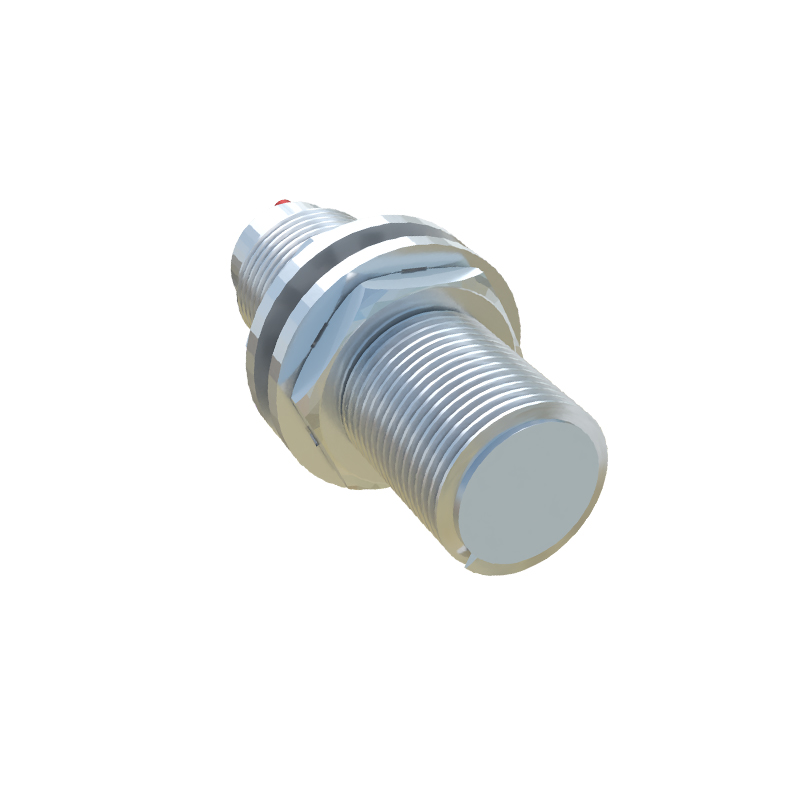
It is crucial, however, to understand the distinction within the sensor family. While all magnetic proximity switches are sensors, not all sensors are magnetic proximity switches. Sensors encompass a vast range, including those that measure analog variables like temperature, pressure, or flow. Magnetic proximity switches provide discrete, binary (digital) output, marking them specifically as "binary sensors" or "switches." This dual identity—as both a switch and a sensor—sometimes leads to confusion. The term "switch" emphasizes its output function (controlling a circuit), while "sensor" emphasizes its input function (detecting a condition). In modern industrial parlance, the terms are often used interchangeably for such devices, with "proximity sensor" being the more technically encompassing term.
In conclusion, based on the fundamental definition of a sensor and its standard operational principle, magnetic proximity switches are definitively sensors. They detect a physical magnetic field and transduce it into an electrical signal for control purposes. Their classification under proximity sensors is well-established in engineering standards and practical applications. For system designers and maintenance engineers, recognizing them as such is essential for proper selection, integration, and troubleshooting within automated systems, ensuring optimal performance and reliability in detecting object presence through magnetic interaction.