Proximity sensors are indispensable components in modern industrial automation, offering non-contact detection of objects within a specified range. These devices are engineered to deliver high reliability and precision in diverse operating environments. One of the primary characteristics of proximity sensors is their non-contact operation. Unlike mechanical switches, they detect targets without physical touch, eliminating wear and tear and significantly extending operational lifespan. This feature is particularly advantageous in applications involving fast-moving or fragile objects, where mechanical contact could cause damage or inefficiency.
Another critical feature is the high switching frequency capability. Proximity sensors can detect objects at rapid rates, often reaching thousands of cycles per second. This makes them ideal for high-speed production lines, packaging machinery, and robotic systems where quick response times are essential for maintaining throughput and synchronization. The ability to operate at such frequencies without degradation ensures consistent performance in dynamic industrial settings.
Durability and environmental resistance are also hallmark traits. Most proximity sensors are built with robust housings, typically from materials like stainless steel, nickel-plated brass, or PBT plastic, providing protection against impacts, vibrations, and harsh conditions. Many models are rated IP67 or higher, meaning they are dust-tight and can withstand temporary immersion in water. This resilience allows deployment in challenging environments such as automotive manufacturing, food processing plants, or outdoor installations, where exposure to moisture, chemicals, or extreme temperatures is common.
Precision and repeatability define the operational excellence of these sensors. They offer consistent detection distances with minimal variance, ensuring accurate positioning and control. For instance, inductive proximity sensors maintain a stable sensing range for metallic targets, while capacitive variants can detect non-metallic materials like liquids or plastics with similar reliability. This repeatability reduces errors in automated processes, enhancing overall system quality and reducing waste.
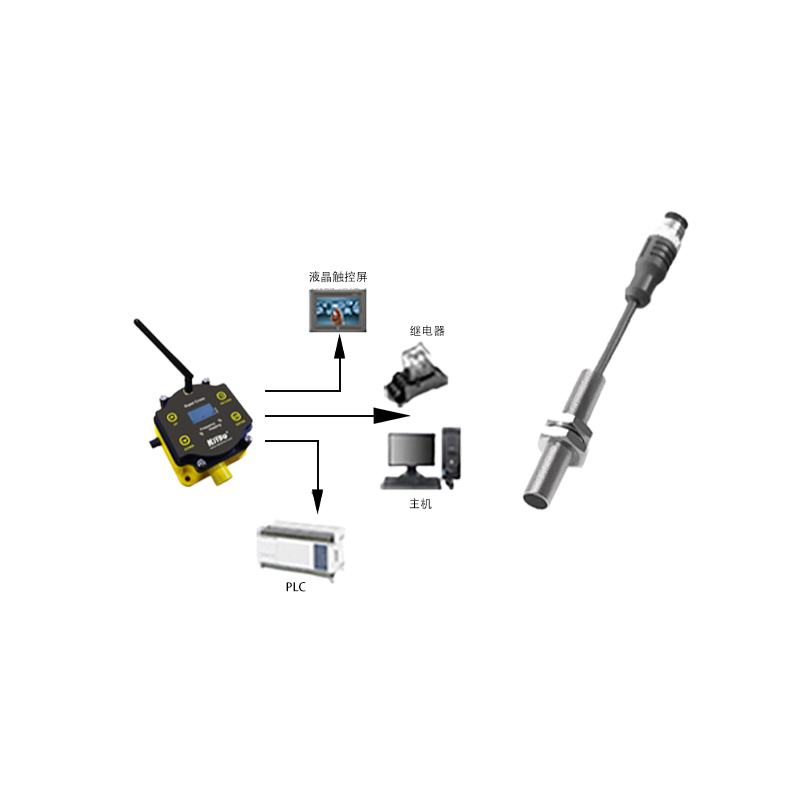
Versatility in detection capabilities is another key aspect. Proximity sensors come in various types, including inductive, capacitive, ultrasonic, and magnetic models, each suited to specific applications. Inductive sensors excel at detecting metals, capacitive sensors handle non-metallics, ultrasonic sensors measure distance or presence through sound waves, and magnetic sensors respond to permanent magnets. This diversity allows engineers to select the optimal sensor for tasks ranging from metal part counting to liquid level monitoring or conveyor belt control.
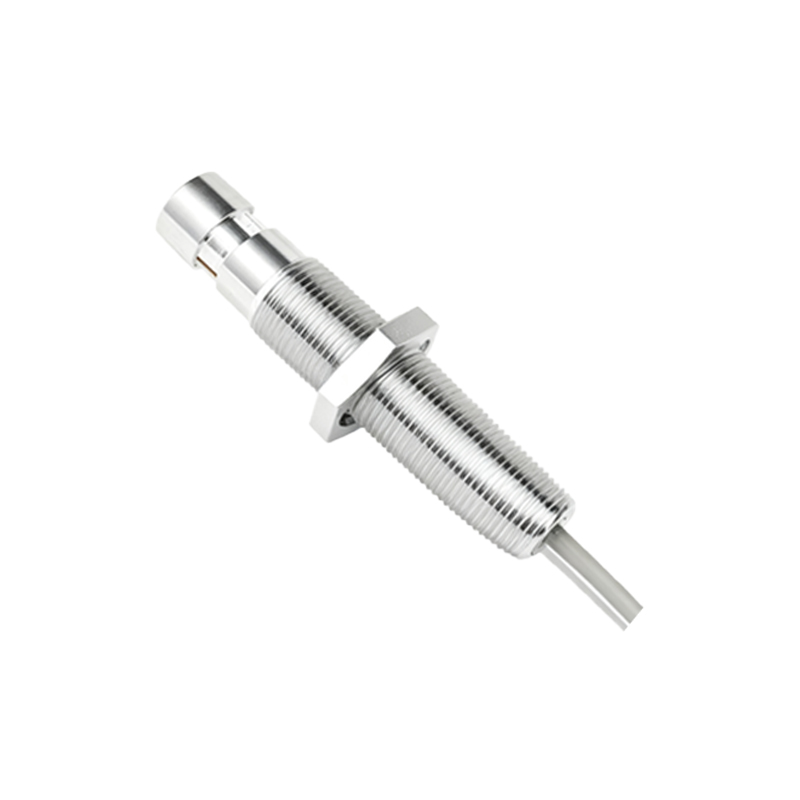
Energy efficiency and low maintenance requirements contribute to their cost-effectiveness. Proximity sensors typically consume minimal power, aligning with sustainable industrial practices. Their solid-state design, devoid of moving parts, reduces the need for frequent calibration or replacement, lowering long-term operational costs. Additionally, many modern sensors incorporate diagnostic features like LED indicators or IO-Link communication, enabling real-time monitoring and predictive maintenance, which further minimizes downtime.
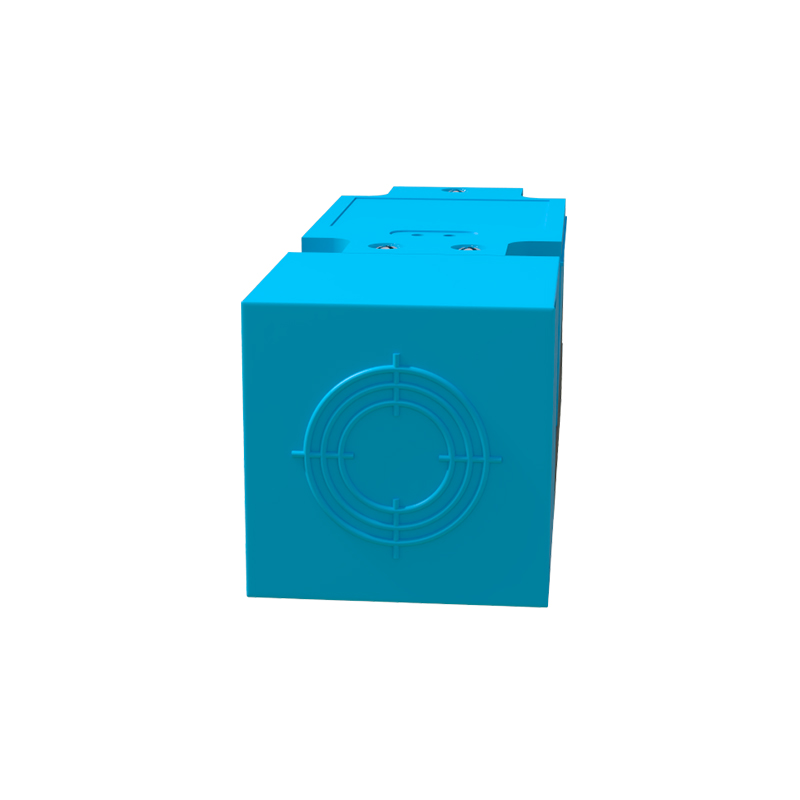
In summary, proximity sensors stand out for their non-contact detection, high-speed performance, environmental robustness, precision, adaptability, and economic efficiency. These characteristics collectively make them vital for advancing automation, improving safety, and optimizing productivity across industries such as manufacturing, logistics, and automotive engineering. As technology evolves, innovations in miniaturization, smart connectivity, and enhanced sensing ranges continue to expand their applications, reinforcing their role as foundational elements in industrial systems.