In the realm of industrial automation and control systems, proximity sensors are indispensable components for non-contact detection of objects. Their selection is far from arbitrary; it is a critical engineering decision that directly impacts system reliability, efficiency, and safety. The "principles for selecting proximity sensors" refer to a systematic framework of guidelines and criteria that engineers must evaluate to choose the optimal sensor for a specific application. This process involves a comprehensive analysis of technical specifications, environmental conditions, and operational requirements.
The first and foremost principle is understanding the detection object's characteristics. What material is the target made of? Ferrous metals, non-ferrous metals like aluminum or copper, plastics, or liquids? Inductive proximity sensors are exclusively suitable for detecting metallic objects, primarily ferrous metals, with their sensing range affected by the target's material. Capacitive sensors, on the other hand, can detect a wider range of materials, including metals, plastics, wood, and liquids, by sensing changes in capacitance. For detecting any material regardless of color or transparency, photoelectric sensors are often employed, though they are sensitive to environmental factors like dust and ambient light.
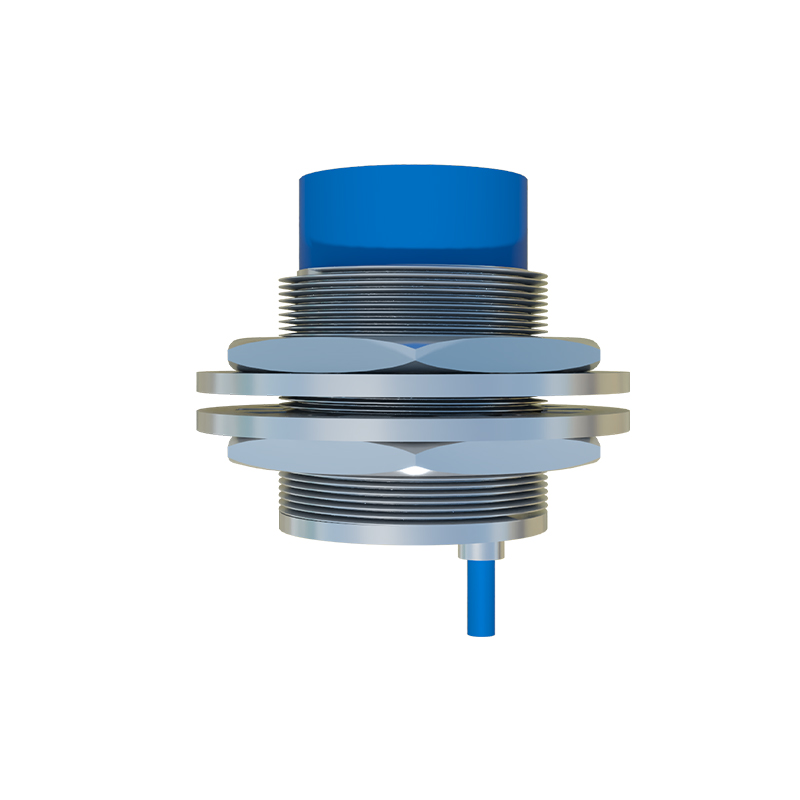
Next, the required sensing distance, or nominal range, is paramount. This is the distance at which the sensor reliably detects a standard target. A common mistake is selecting a sensor with a range that is too short, risking physical damage, or too long, which may cause false triggers from unintended objects. Engineers must consider the mechanical tolerances and mounting constraints of the application. It is standard practice to derate the nominal sensing distance, typically using only 60-80% of the catalog value to ensure reliable operation under real-world conditions, accounting for temperature variations and supply voltage fluctuations.
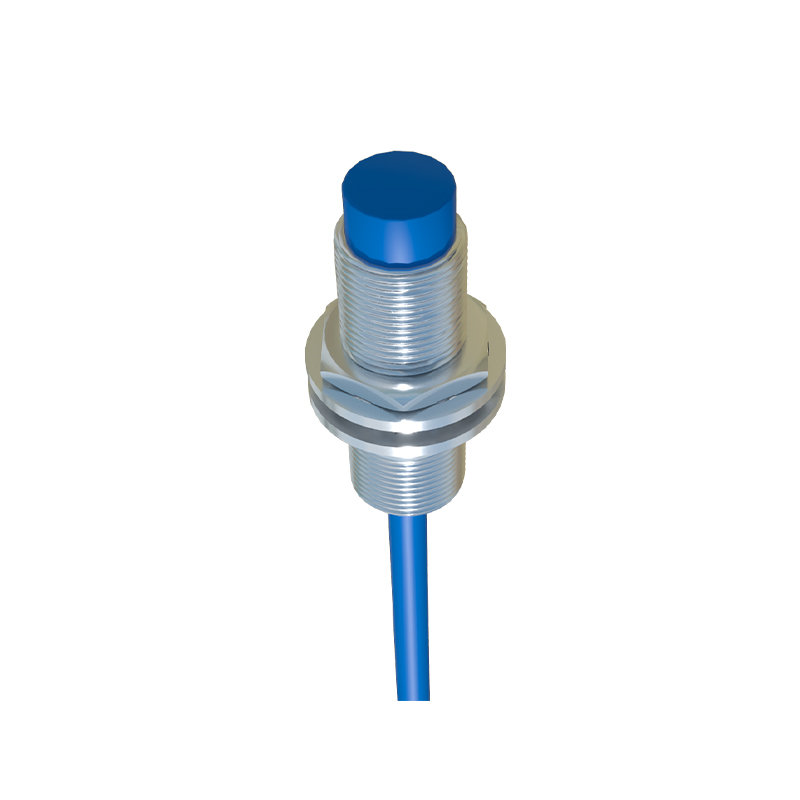
The physical size and mounting style of the sensor constitute another critical selection principle. Cylindrical threaded barrels (e.g., M8, M12, M18, M30) are common, but rectangular and slot-style sensors are also available for specific mounting scenarios. The sensor must fit into the available space and be mounted correctly to achieve its stated performance. Environmental robustness is inseparable from this. The sensor's ingress protection (IP) rating (e.g., IP67, IP69K) indicates its resistance to dust and water. Harsh environments may require sensors with resistance to chemicals, oils, extreme temperatures, or strong mechanical vibrations and shocks. The housing material, such as stainless steel or PBT plastic, must be chosen accordingly.
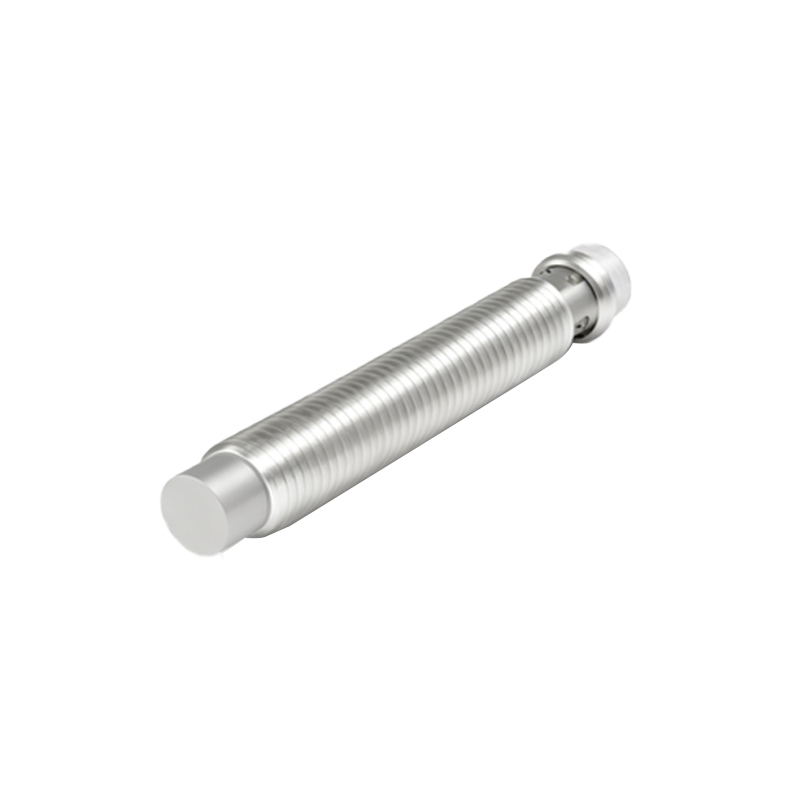
Electrical characteristics and output configuration are fundamental engineering decisions. What is the operating voltage? Common DC voltages are 10-30V DC, while AC sensors might operate on 90-250V AC. The output type is crucial for interfacing with the controller (PLC, relay, etc.). Two-wire sensors are simple to wire but have a residual leakage current. Three-wire sensors (PNP or NDP sourcing, or NPN sinking) offer more precise control and are widely used with PLCs. The output function, normally open (NO) or normally closed (NC), must be selected based on the safety and logic requirements of the control circuit. The load current rating must not be exceeded.
Finally, application-specific features must be evaluated. Does the application require a shielded (flush-mountable) or unshielded sensor? Shielded sensors can be mounted flush in metal without affecting their range, whereas unshielded sensors offer a longer range but require clearance around the sensing face. For high-speed counting or positioning, the sensor's switching frequency (response time) must be fast enough to keep up with the object's speed. In some cases, analog output sensors (4-20mA, 0-10V) are needed for distance-proportional signaling, rather than a simple on/off switch.
Ignoring these selection principles can lead to premature sensor failure, unreliable machine operation, increased downtime, and safety hazards. Therefore, a meticulous approach, often involving consultation of detailed manufacturer datasheets and application notes, is not just recommended—it is essential. By rigorously applying these principles of material compatibility, sensing distance, environmental rating, electrical interface, and special features, engineers can ensure the selected proximity sensor delivers robust, long-lasting, and precise performance, forming a reliable foundation for any automated system.