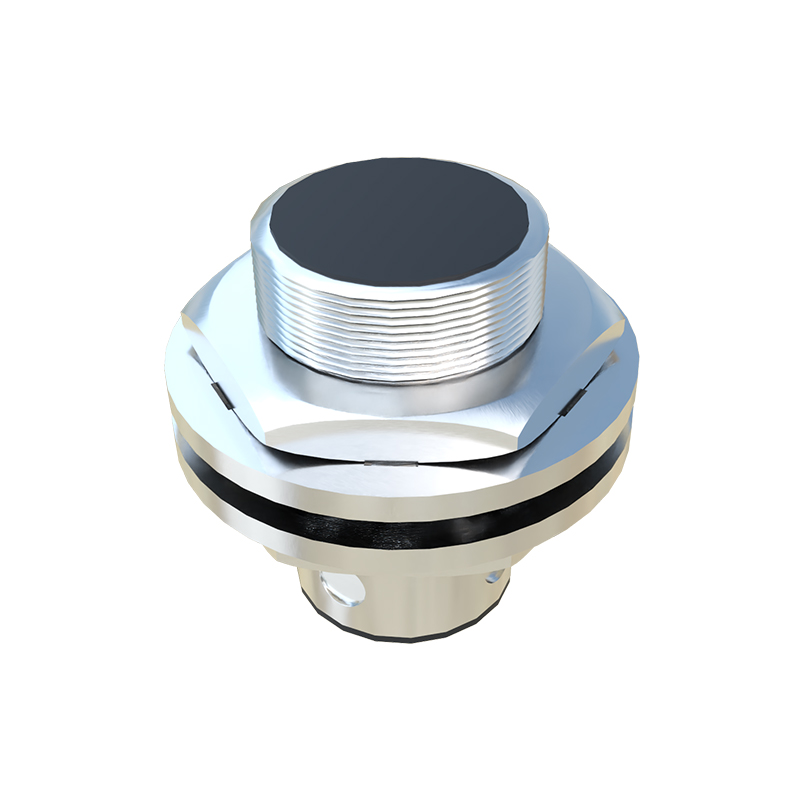
In the realm of industrial automation and control systems, proximity sensors play a pivotal role in detecting the presence or absence of objects without physical contact. While standard inductive, capacitive, and photoelectric sensors are widely known, a range of special types of proximity sensors has been developed to meet unique operational challenges. These specialized sensors offer enhanced performance, durability, and functionality in demanding environments. This article delves into the key categories of special proximity sensors, their working principles, and typical applications.
One prominent category is the high-temperature proximity sensor. Designed to operate reliably in extreme thermal conditions, often exceeding 150°C and up to 250°C or more, these sensors are constructed with heat-resistant materials such as PEEK or ceramic housings and specialized electronic components. They are indispensable in industries like metal casting, glass manufacturing, and automotive welding lines, where standard sensors would fail prematurely. Their robust design ensures stable sensing distances and signal integrity despite ambient heat.
Another critical type is the weld-field immune inductive sensor. In environments with strong magnetic fields generated by resistance welding equipment, standard inductive sensors can produce false triggers or sustain damage. Weld-field immune sensors incorporate special shielding and filtering circuits that negate the influence of DC magnetic fields. This allows for precise positioning and detection of parts directly on welding fixtures, significantly improving process reliability in automotive body shops and metal fabrication.
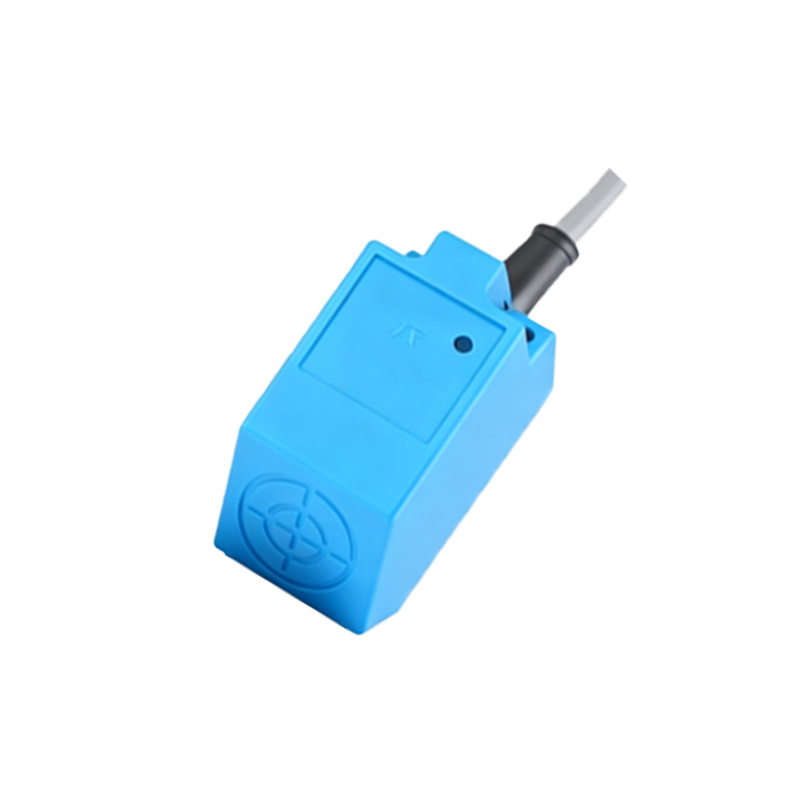
For applications involving detection of small or specific metallic targets, such as gear teeth, screw heads, or tiny fasteners, factor-1 cylindrical sensors and analog output sensors are essential. Unlike standard sensors with a rated sensing distance, factor-1 sensors have a greatly reduced sensing range, allowing them to distinguish fine features without interference from the background. Analog sensors provide a continuous output voltage or current proportional to the distance to the target, enabling precise position monitoring and control in assembly and machining centers.
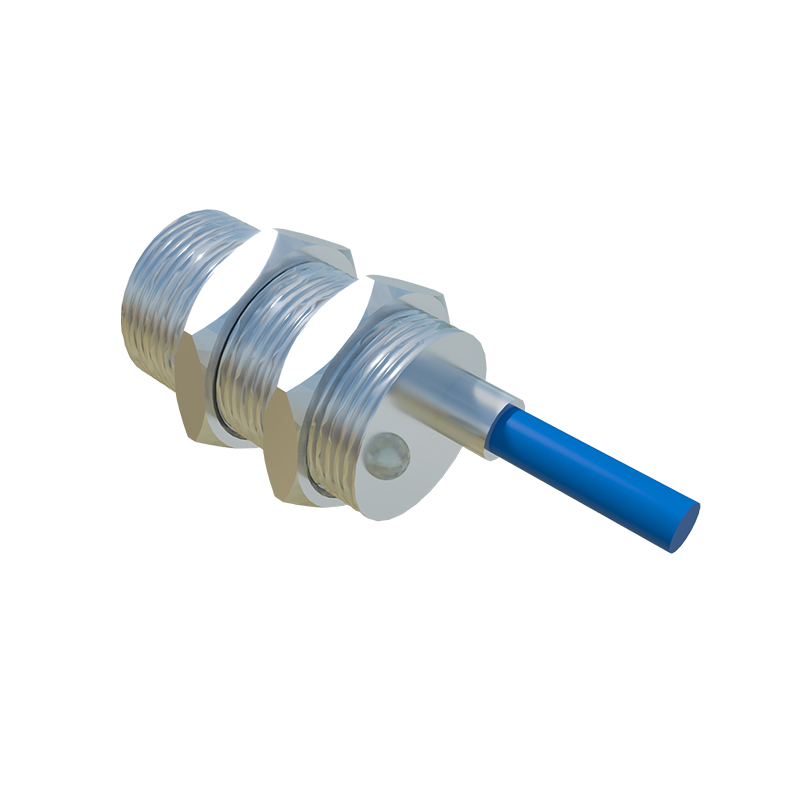
In harsh environments with exposure to chemicals, coolants, or high-pressure washdowns, stainless steel body sensors with high IP ratings (e.g., IP67, IP69K) are the preferred choice. Their fully sealed, corrosion-resistant housings protect internal electronics from ingress and corrosive substances. Commonly used in food and beverage processing, pharmaceutical packaging, and marine applications, these sensors ensure long-term operation and hygiene compliance.
Specialized sensing technologies also include cylindrical sensors with built-in amplifiers and short-body designs for space-constrained installations. Furthermore, sensors with advanced diagnostics and IO-Link communication capabilities are gaining traction. IO-Link sensors not only detect objects but also transmit parameters like temperature, signal strength, and operating hours to the control system, enabling predictive maintenance and seamless integration into Industry 4.0 frameworks.
Selecting the appropriate special proximity sensor requires a thorough analysis of the application parameters: target material, environmental conditions (temperature, contaminants, pressure), required sensing distance, mounting constraints, and necessary output type. Consulting technical datasheets and manufacturer guidelines is crucial for optimal performance. As automation evolves, these specialized sensors will continue to be vital components in enhancing efficiency, safety, and intelligence in modern industrial systems.